Exercise 1: The next big thing
“There’s more in the making” – The Apple Logo challenge
Prior to next major product launchings, Apple had come up with a clever marketing and design play: The company invites the world’s leading visual artists, designers and illustrators to show their unique styles by participating in Apple Logo Art initiative. An Apple logo reinvention showcase on Instagram, which is a perfect example of modern visual communication in cyber space,. Additionally, makes a perfect “win win” set up: Apple gets huge publicity and a chance to identify rising design trends while the artists gain exposure and publicity.
These designs truly stand out by “reinventing something brand new” out of the old design shape & foundation, resulting in extremely unique styles and interesting, fresh graphic interpretations. The selected examples align with “the latest” well by assimilating noticeable 2019-20 design trends such as vivid colors, geometric shapes and high usage of contrasts. We may notice a new trending choices of colors, designs and styles replacements in next year’s Apple Logo Art displays.
Here are several creative examples of the reinvented Apple Logos:
Danish design studio Hvass & Hannibal – lead by Danish creatives Nan Na Hvass & Sofie Hannibal. Recognisable influences in their designs are Art Deco, 50s and 60s Pop art. I can identify a strong inspiration by Japanese graphic artist Picomodi:

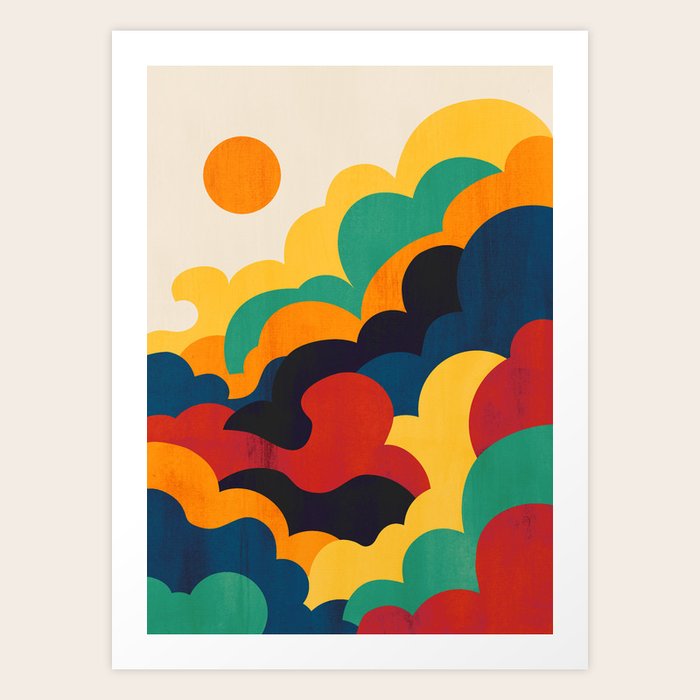
Australian artist Karan Singh’s Apple logo reinterpretations have his usual bold colors, stripes, circles and repetitive patterns, they appear to be inspired by minimalism and color based 60sOp artists such as Frank Stella and Josef Albers.

Research Point – appropriation of space
when I think about places transformed, or reinvented by book or movie depictions, the first example that comes to mind is Matamata, New Zealand, which thanks to the Lord of the Rings trilogy will forever be known to double in popular culture as the Hobbiton of the Shire. In this case, the transformation following becoming a selected location for the films, something which had created quite a long term positive effect and a new tourism wave. The Hobbiton sets where left intact and became a sensational attraction for Matamata tourists and Tolkien fans:
“With the success of the films it became a massive tourist attraction and brought in a lot of money for the surrounding area. When the production team came back to the area to start work on The Hobbit, they – thanks to their enormous budget – constructed Hobbiton again, this time bringing in master stonemasons and carpenters to actually build a town that could be lived in. It’s really quite incredible. There’s even the Green Dragon Inn, in which you can go for a refreshing beer after you’ve walked around the area. The reason this area was chosen in the first place was because it included a large tree in the middle of a field (the Party Tree), had a hill on which to situate Bag End (Bilbo’s hobbit hole), and was by some water (Bywater). Tolkien wouldn’t have believed that something he imagined could have been so perfectly provided by nature.”
Joe Coats (6/4/2018), Culture trip, available on: https://theculturetrip.com/pacific/new-zealand/articles/8-new-zealand-locations-filmed-in-the-hobbit-trilogy/ accessed 12/7/2020


Another interesting example of a place invented by popular culture to become it’s own phenomenon is “Twin Peaks”. Although the town of David Lynch’s cult classic definitely isn’t a real place, fans have become obsessed with the area outside Seattle where several filming sites are located: “for the quirky charm of small towns such as Snoqualmie, North Bend and Fall City, for the region’s brooding beauty, for its slight air of menace.“.
Beyond Lynch fan tourism, it seems that Twin Peaks inspired others in darker ways: “Mark Lindquist, chief prosecuting attorney in neighboring Pierce County, ascribes Snoqualmie Valley’s gruesome heritage to what he calls a “self-perpetuating myth”.
“Once something is publicized as a place for X, then it enters the public consciousness as a place where you do X,” said the author of novels about weird crime in his own neck of the woods.
And if X is corpse disposal?
“On a practical level,” Lindquist said, “you’re not going to dump a body in downtown Seattle.”
Quotes reference: Maria L La Ganga (19/5/2021), The town where Twin Peaks was filmed has its own share of mysterious deaths, The Guardian, Available on: https://www.theguardian.com/us-news/2017/may/19/twin-peaks-snoqualmie-washington-mysterious-deaths accessed 12/7/2020
“Twin Peaks”, by David Lynch – A new place for murder and mystery fans:

Exercise 2: Knitting patterns
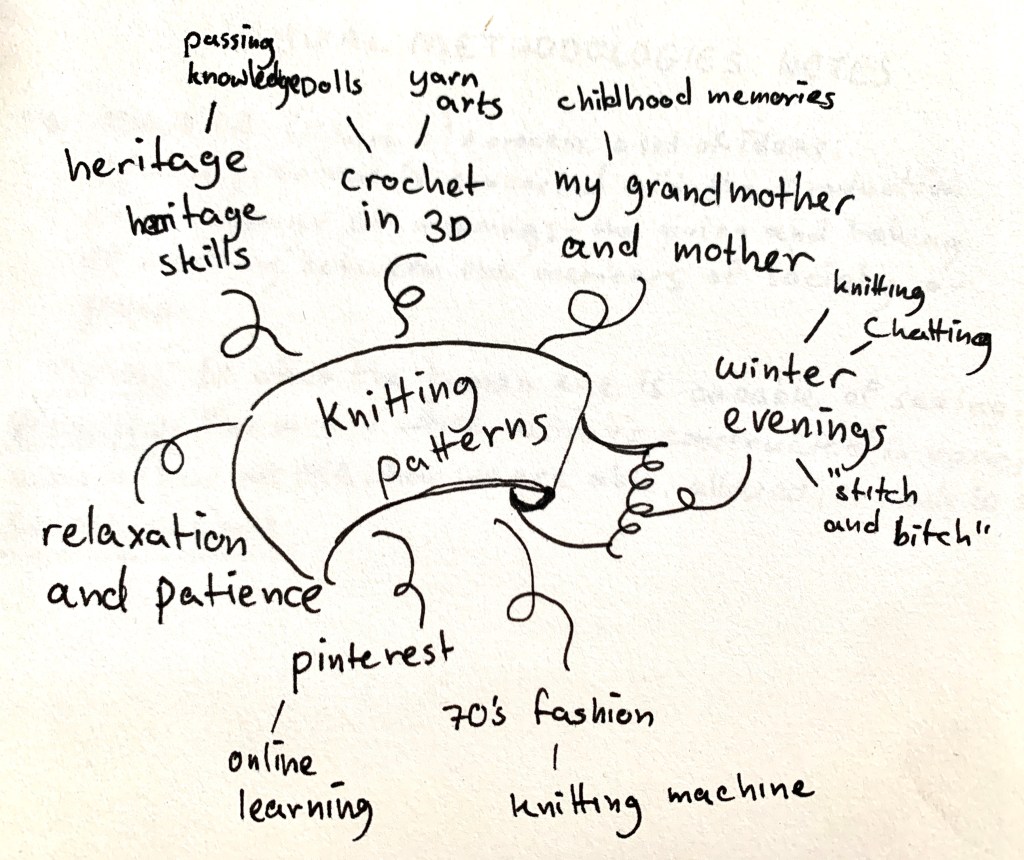
Heritage skill, crochet in 3D, my grandmother and mother, winter evenings, relaxation and patience, Pinterest, 70s fashion, knitting machine
Historical examples of Knitting:
Traditionally, knitting was associated with women and handicrafts passed through generations. It is near impossible to find an old image of knitting men. Knitted items had assumed a very practical role of keeping family members warm during winter and knitted items became popular hand made gifts as well as symbols of the domestic, motherly care and intergenerational teaching. Many classic images of knitting show the craft taking place domestically, among small groups of women, often family members, such as mothers, grandmothers and daughters. Since the 50s, experimental 3D knitting patterns and items such as dolls and household items appeared. Self expression through needle patterns, colors or unique fashion items became popular.
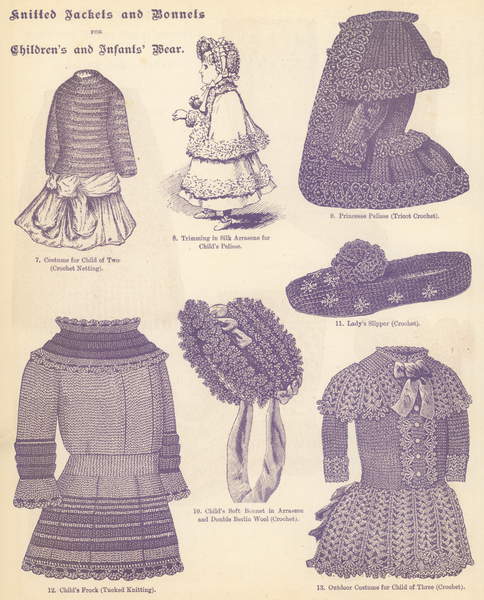
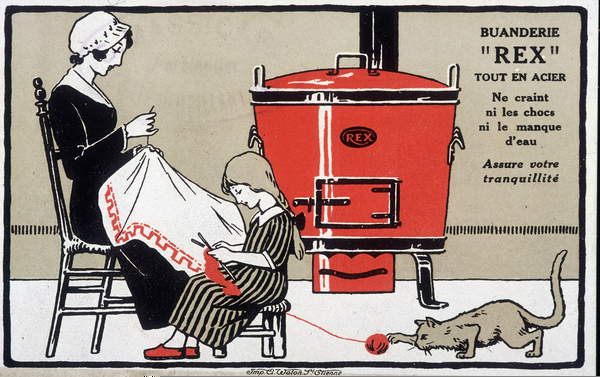
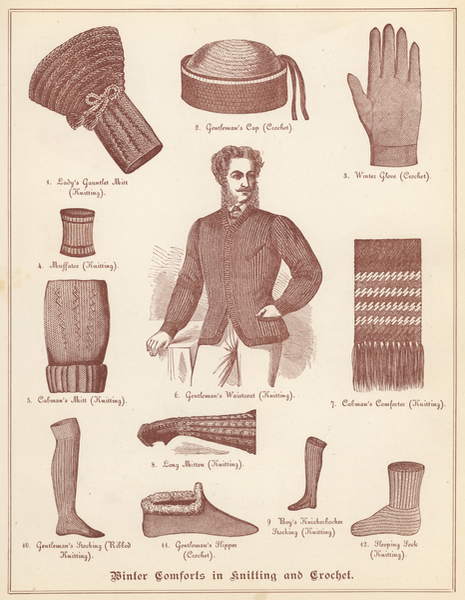
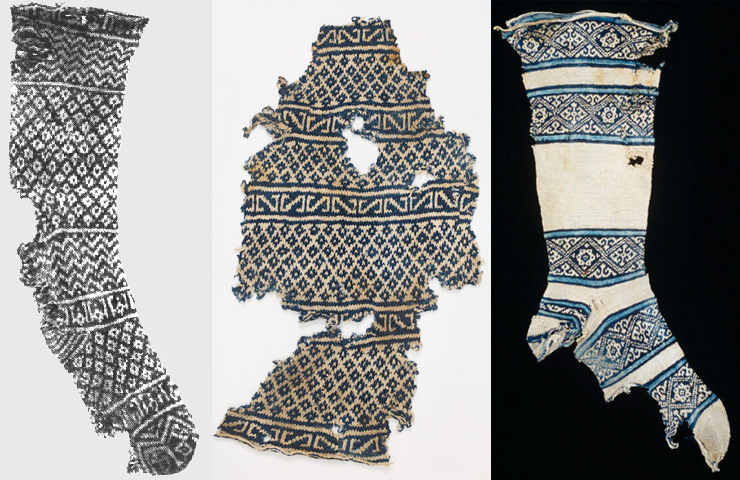
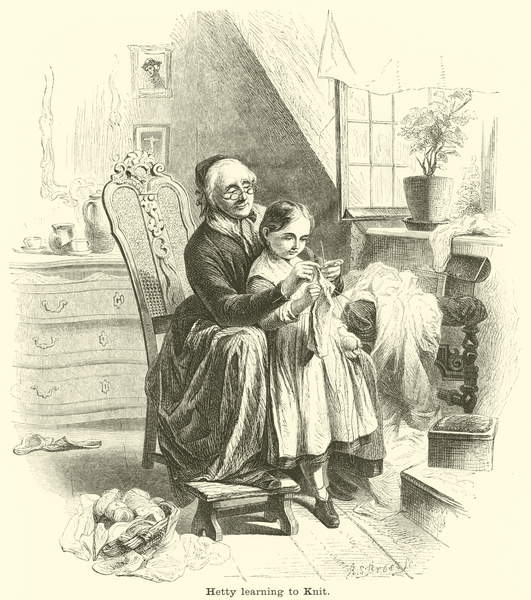
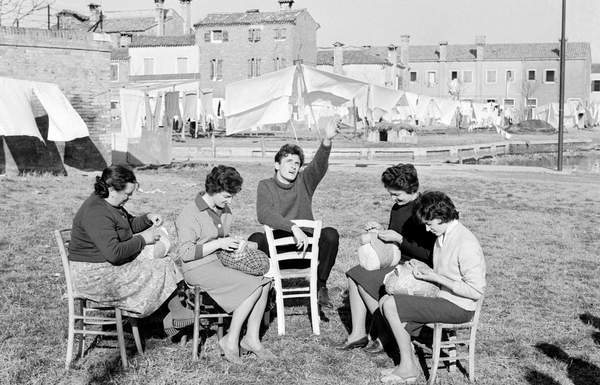
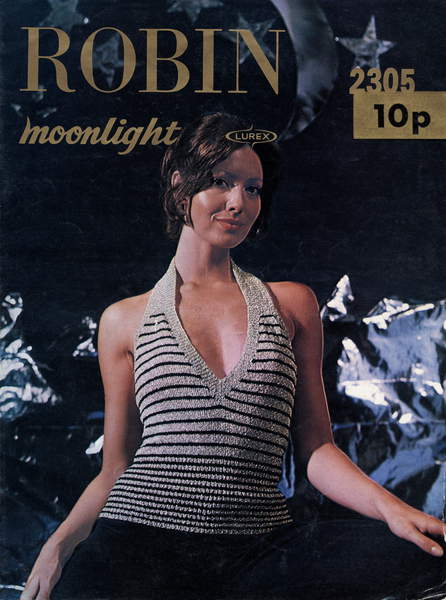
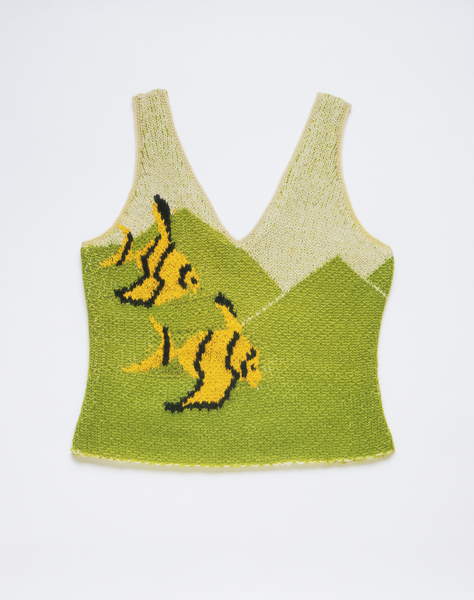
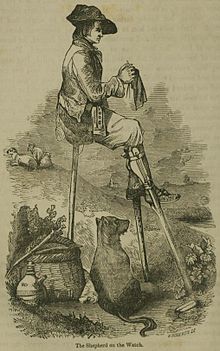
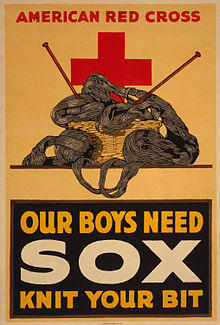
‘Old knitting’ image collection ( top left to right )
- Knitted Jackets and Bonnets for Children’s and Infants’ Wear (litho), available on: Bridgeman education accessed 15/7/2020
- Laundry room “” Rex”” all steel – advertising for the washing machine with a sewing mom and her little girl knitting. available on: Bridgeman education accessed 15/7/2020.
- Winter Comforts (patterns) in Knitting and Crochet (litho), available on: Bridgeman education accessed 15/7/2020n
- Egyptian Cotton socks, thought to be the earliest knitted pieces. From L to R: Textile Museum, ca. 1000 – 1200 AD; Victorian & Albert Museum, available on: https://sheepandstitch.com/the-history-of-knitting-part-1-mysterious-origins/accessed 15/7/2020
- Hetty learning to Knit (engraving), available on: Bridgeman education accessed 15/7/2020
- ‘Robin moolight’ 60s knitting pattern, image: Bridgeman education
- THE SINGER AND Composer PINO DONAGGIO (surrounds women knitting) – BURANO – 1960, available on: Bridgeman education accessed 15/7/2020
- 1855 sketch of a shepherd knitting, while watching his flock. History of knitting Wikipedia available on:https://en.wikipedia.org/wiki/History_of_knitting accessed 15/7/2020
- World War I poster encouraging people to knit socks for the troops, History of knitting Wikipedia available on:https://en.wikipedia.org/wiki/History_of_knitting accessed 15/7/2020
Modern examples of Knitting:
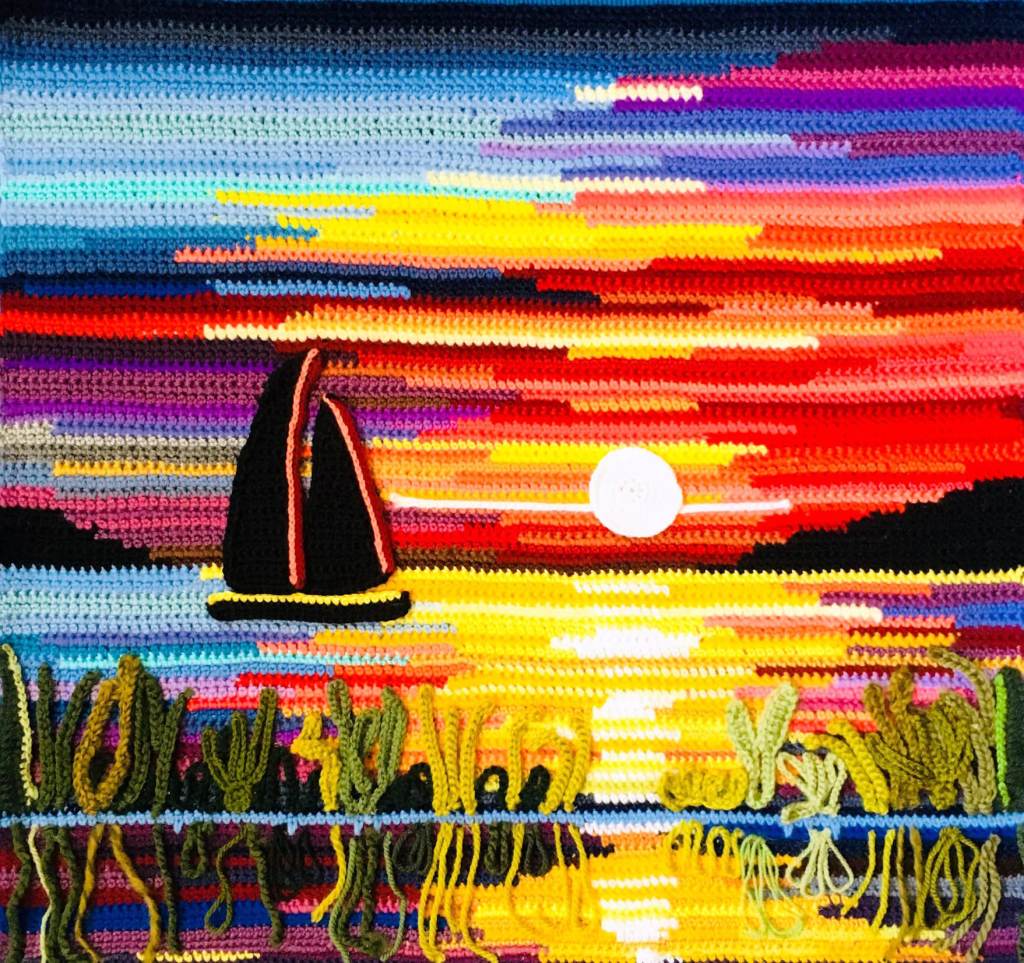
So much had happened since the first yarn bombs were sewn by artist Magda Sayeg. Thanks to idea and pattern sharing over the internet, knitting and yarn arts keeps reinventing itself as a medium which sees ever growing popularity and endless versatility. I’ve selected several amazing samples of creative knits and yarn art works. While the classic image of knitting sit well with certain elements in my mind map,
- Beata Bylinka (2018), Knitted paintings, available on: https://imgur.com/gallery/rnL1MHx accessed 15/7/2020
- Knitted lapwing collar (2021) virtualyarns.com available on: https://virtualyarns.com/lapwing-collar/ accessed 15/7/2020
- Paula Aryan Cepeda Zúñiga (2015), Artisan yarn bombing , available on: https://imgur.com/gallery/rnL1MHx accessed 15/7/2020
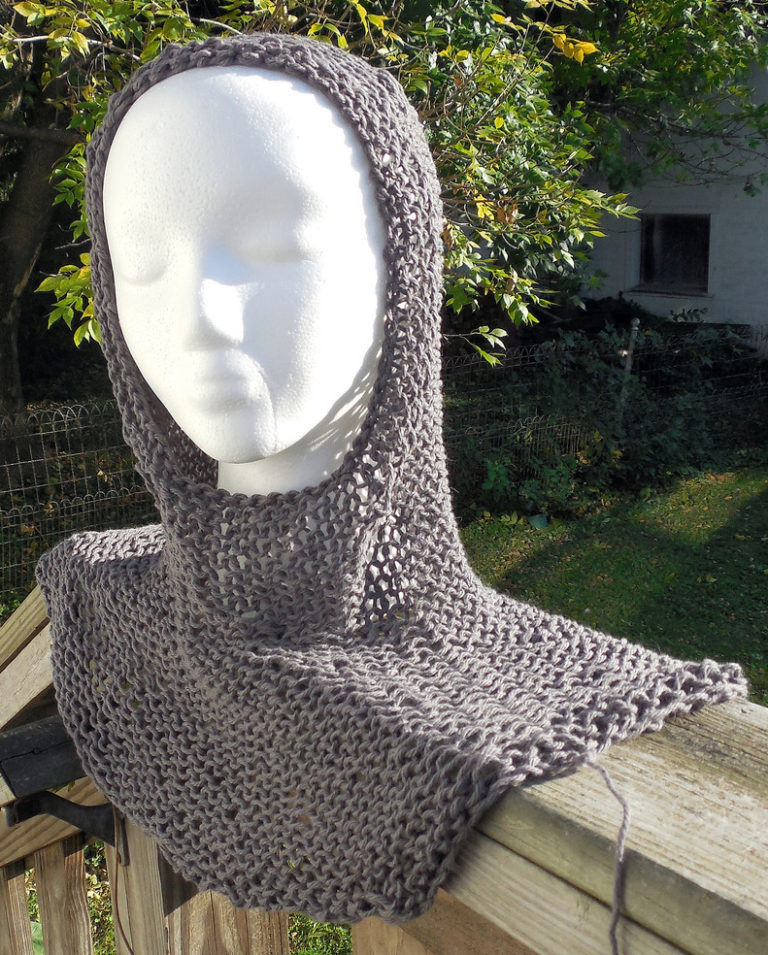
- Katie Golus (2016), Knitted chainmail Coif (Helmet and Cowl) available on: https://www.ravelry.com/patterns/library/chainmail-coif-helmet-and-cowl accessed 15/7/2020
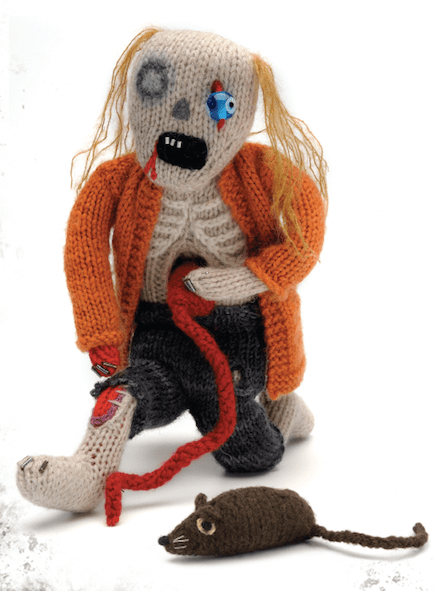
- Terry M. (2016)In the loop modern knitting patterns (Cthulhuclava mask and zombie doll from available on: interpoolknitting.com accessed 15/7/2020
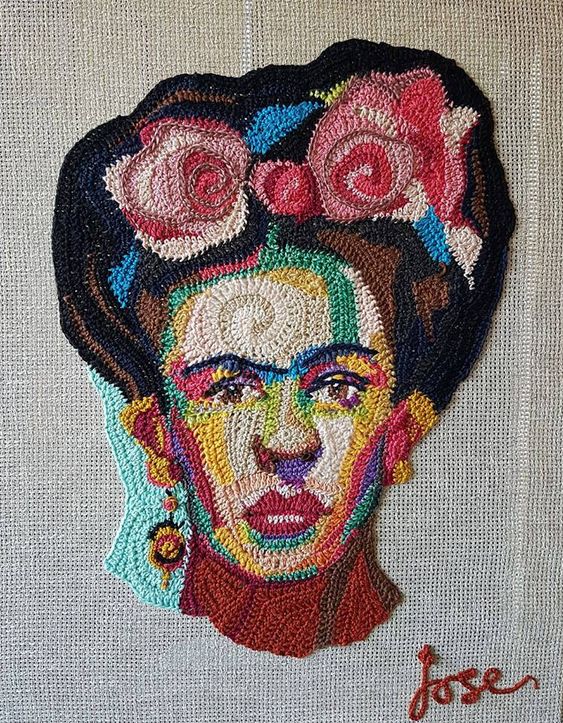
- José Dammers, textile exhibition, (2018) Painting With Yarn at Echt Studio, available on: https://www.echtstudio.nl/blogs/2018/01/painting-with-yarn-expositie-jose-dammers/ accessed 15/7/2020
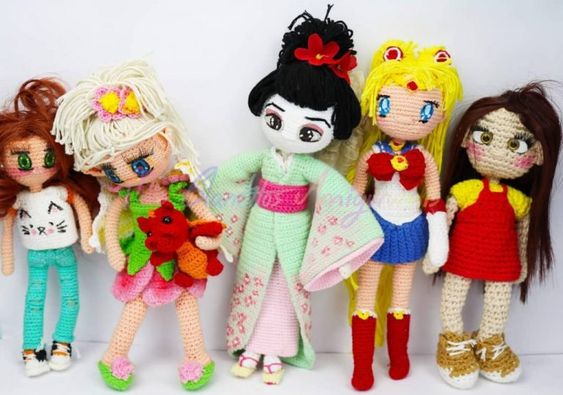
- Amigurumi Tiny Japanese doll patterns, available on: https://amigurumi.blogkb.com/amigurumi-tiny-japanese-girl-free-pattern/ accessed 15/7/2020



Exercise 3: Visual conventions for time and place
Example of timeline sequential art and historical story telling:
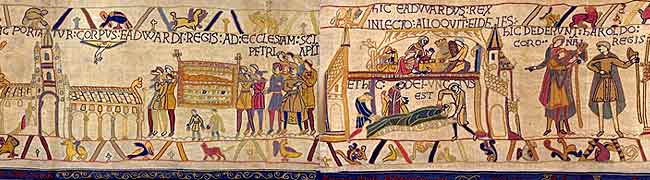
“Depicting the Norman Conquest of England, its causes, justifications, and political context, the Bayeux Tapestry is one of the most immediately recognizable, and most complex sources of European history. Importantly, granted the location of its conception, the overt concerns of the Tapestry’s narrative are the religious and political interests of Latin Christian Normandy in the late 11th century. However, it would be a mistake to characterize the Tapestry as mere Norman propaganda – the allegory, analogy and imagery used by the collaborators of the work have given it complexity beyond a simple chronology of events.”
Reference: Matt Firth (2019) The Postcard Chronicles, Historical analysis available on: https://thepostgradchronicles.org/2018/01/23/art-allegory-and-the-authorship-of-the-bayeux-tapestry/ accessed 20/7/2020


”The term Poor Man’s Bible has come into use in modern times to describe works of art within churches and cathedrals which either individually or collectively have been created to illustrate the teachings of the Bible for a largely illiterate population. These artworks may take the form of carvings, paintings, mosaics or stained-glass windows. In some churches a single artwork, such as a stained-glass window has the role of Poor Man’s Bible while in others, the entire church is decorated with a complex biblical narrative that unites in a single scheme.”
Reference and image: Poor man’s bible (3/9/2020), [Wikipedia], available on: https://en.wikipedia.org/wiki/Poor_Man%27s_Bible, accessed 20/7/2020
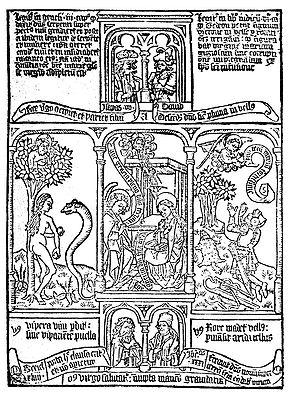
“The Biblia pauperum (“Paupers’ Bible”) was a tradition of picture Bibles beginning probably with Ansgar, and a common printed block-book in the later Middle Ages to visualize the typological correspondences between the Old and New Testaments. Unlike a simple “illustrated Bible”, where the pictures are subordinated to the text, these Bibles placed the illustration in the centre, with only a brief text or sometimes no text at all. Words spoken by the figures in the miniatures could be written on scrolls coming out of their mouths. To this extent one might see parallels with modern cartoon strips.”
“The tradition is a further simplification of the Bible moralisée tradition, which was similar but with more text. Like these, the Biblia pauperum was usually in the local vernacular language, rather than Latin.”
Reference and image: Biblia pauperum (18/12/2020), [Wikipedia], https://en.wikipedia.org/wiki/Biblia_pauperum, accessed 20/7/2020
“The term “sequential art” was coined in 1985 by comics artist Will Eisner in his book Comics and Sequential Art. Eisner analyzed this form into four elements: design, drawing, caricature, and writing. Scott McCloud, another comics artist, elaborated the explanation further, in his books Understanding Comics (1993) and Reinventing Comics (2000). In Understanding Comics, he notes that the movie roll, before it is being projected, arguably could be seen as a very slow comic.”
The first newspaper comic strip in the United States was Richard Felton Outcault’s “The Yellow Kid,” which appeared in the Hearst New York American on February 16, 1896. It was published in the Sunday supplement to the paper and was quickly joined by other comic strips.
Reference and image: Sequential art (12/11/2020), https://en.wikipedia.org/wiki/Sequential_art, accessed 20/7/2020
 Creative Arts Today