Research point- Stages of textile product life cycle:
Agriculture/raw fibre production: The stage where farmers produce the materials as raw fibre, grown as plants such as cotton or as animal product such as sheep wool.
Ginning: The process where the raw material fibres are cleaned and separated from any seed, husk or dirt.
Spinning: The process where raw fibre is spinned into thread, line or wool.
Weaving: The step where thread or wool is woven into fabric or textile.
Processing: Through processing, textiles are dyed a different color or printed.
Stitching: Once the fabric is processed and ready, it is cut into patterns and stitched into clothes, accessories etc.
Distribution/retail: Where made products is distributed by companies and sold to customers at retail shops
Use/consumption and end of life: The final life cycle of product depends on us, once purchased, we chose how long to use the item before discarding it or passing it onto someone else.
As I live in Cambodia, I looked largely into everyday textile uses within the Khmer culture I am surrounded by. Most significant use of fabrics is found among colorful Khmer wedding tents: Large scale, temporary wedding halls that are constructed right on the doorstep of the bride or groom’s family home. The purpose here is to create a design which transforms a simple wedding pavilion into a luxurious ballroom, you”ll find nearly everything in the tent either, covered, wrapped or draped in fabrics, ranging from cheap Chiphone to expensive silks. The purpose of the fabrics is mainly decorative, to set the atmosphere, color scheme and design of the event place. The use of fabric is immersive, in either calm or bright colors, traditional Khmer fabrics and patterns may be used.
Types of Textile Dwellings Designed for Nomadic Lifestyles:
Historically, several types of portable dwellings were designed by nomadic indigenous people throughout Inner Asia, the Middle east, Parts of Africa Native America. These include:
Tents with a load-bearing inner structure
The yurt (Turkic) or ger (Mongolian), a trellis tent with a load-bearing inner structure and felt covering
Carts with tents attached to them
The black tent and different tent form made out of black goat hair or yak hair
Different tents, usually for very temporary purposes and not intended for permanent dwelling.
Observing traditional nomadic designs from around the world, we might notice certain cultural similarities The Bedouin, Mongolian, native American and multiple other nomadic ethnic groups such as communities based on hunting and animal husbandry, seasonal migration due to necessity of feeding cattle, annual hunts, nomadic trade and annual festivals. Another is living in a vast, and often tough environment, where permanent cultivation is difficult. Wherever the dwelling is situated, becomes the centre of the plain or dessert. Nomadic cultures have developed an advance traditions of hospitality as a mean of increasing chance of survive in such vast, hostile environments.
These dwellings, represent design out of necessity, which incorporates materials from of the native environment, wood, weaved animal wool and skins, usually camel and Yaks. Other designs combine the use of sheets made of interweaved canes, straw or bark leaves, and sometimes the surrounding earth itself in form of mud and clay. “While in Mongolia the harsh climate makes agriculture a not very viable alternative to animal husbandry, in many Central Asian countries there is an option, especially with the advent of modernization, to switch to agriculture. Especially in those countries formerly part of the USSR.” Many governments either encourage or pressure ethnic nomads to abandon traditions and switch to agriculture and permanent settlements.
Top: The Sami people by a traditional Lavvu dwelling, Europe’s aboriginal nomads living in Russia, Finland, Norway and Sweden. In Sweden, Norway and Finland. File:Saami Family 1900.jpg 4/7/2012, Wikipedia, available on: https://en.wikipedia.org/wiki/File:Saami_Family_1900.jpg accessed 27/12/2020 “Wool as a construction material. Wool is natural textile fibre made from animal hair, mostly sheep but also other animals such as goat or camel. It is a material with tensile properties that can be stretched and pulled into different shapes. The wool fibre has a crimped shape which gives it a high specific heat coefficient, it can retain heat and has good insulation properties. From a sustainable point of view, wool is interesting as a construction material since it is a renewable material made from natural fibres. It is also easy to repair. And in this case it is a locally produced material since the animal and Bedouin live together.” Siobhan Ali 2/7/2018 ‘Why Camels Are Important to Emirati Culture’, available on: https://en.wikipedia.org/wiki/File:Saami_Family_1900.jpg accessed 27/12/2020
‘The Sackler Gallery was opened by the Serpentine Galleries in Kensington Gardens, it was inaugurated in 2013 as an addition to the original Serpentine Gallery, located on the other side of the Serpentine Lake. The project was built thanks to a donation by the Dr Mortimer and Theresa Sackler Foundation, hence the gallery name. The Sackler Serpentine Gallery is a former 1805 gunpowder store, to which an extraordinarily iconic extension has been added. Both the renovation of the historic building and the addition were designed by Zaha Hadid architects.’
‘The addition, housing the restaurant and a social space, is conceived with an appearance intentionally different, to create a fascinating and dynamic ensemble of an early 19th century architecture and a contemporary 21st century one. The extension is made of a curvilinear skeleton constituted of round steel hollow profiles across which a glass fibre woven textile membrane is stretched; five internal columns create the roof high-points and also convey the skylight inside. The perimeter enclosure is composed of a curved glass screen, so creating an ethereal space filled with natural light coming from all directions. The light, almost temporary appearance of the new addition, was intentionally adopted so to complement the historical building without prevailing on it.’
Fiberglass refers to a group of products made from individual glass fibers combined into a variety of forms. Glass fibers can be divided into two major groups according to their geometry: continuous fibers used in yarns and textiles, and the discontinuous (short) fibers used as batts, blankets, or boards for insulation and filtration.
Though commercial use of glass fiber is relatively recent, artisans created glass strands for decorating goblets and vases during the Renaissance. A French physicist, Rene-Antoine Ferchault de Reaumur, produced textiles decorated with fine glass strands in 1713, and British inventors duplicated the feat in 1822. A British silk weaver made a glass fabric in 1842, and another inventor, Edward Libbey, exhibited a dress woven of glass at the 1893 Columbian Exposition in Chicago.
Fiberglass can be formed into yarn much like wool or cotton, and woven into fabric which is sometimes used for draperies. Fiberglass textiles are commonly used as a reinforcement material for molded and laminated plastics. Fiberglass wool, a thick, fluffy material made from discontinuous fibers, is used for thermal insulation and sound absorption. It is commonly found in ship and submarine bulkheads and hulls; automobile engine compartments and body panel liners; in furnaces and air conditioning units; acoustical wall and ceiling panels; and architectural partitions.
Architectural Applications of Fiberglass:
fiberglass has many architectural uses, whether it’s used on the structure or as a complimentary embellishment, this material can be surprising. The material has a wide list of positive properties: it withstands inclement weather, it behaves well in sub-zero temperatures, it doesn’t suffer from corrosion, it’s easy to maintain, it has low thermal conductivity, it’s sturdy, behaves well in tension and compression, it’s light, allows a smooth finish and it’s cheap compared to concrete or other traditional materials. Fiberglass offers a number possibilities when applied to facades:
Fiberglass can be used as a structural shell – Since it’s a lightweight material that can be easily assembled and pre-fabricated it can be a good alternative to cast concrete or wood structures when designing a complex shape, such as a non-orthogonal organic shape, and keep it light. While a fiberglass shell structure is not standalone, because it needs a substructure to contain it, it still saves time and money.
Tenso-Structures When paired with fabric, fiberglass can be an ally at the moment of erecting tenso-structures such as shades in public spaces or exterior façade skins. It provides the structure with rigidity while keeping it light; it also improves the material’s impermeability and doesn’t decay or disintegrate like gypsum, which could be used with a similar result.
ZCB bamboo pavilion Chinese University school of architecture, Hong Kong
Christo and Jeanne-Claude: Surrounded Islands 1980–83
ART or DESIGN
TEMPORARY or PERMANENT
LARGE SCALE or SMALL SCALE
TRANSFORMING and/or DEFINING and/or FORMING
IMMERSIVE and/or DISTANT
PATTERN and/or COLOUR and/or REPETITION and/or SHAPE
On May 7, 1983, the installation of Surrounded Islands was completed in Biscayne Bay, between the city of Miami, North Miami, the Village of Miami Shores and Miami Beach.
Eleven of the islands situated in the area of Bakers Haulover, Eleven of the islands situated in the area of Bakers Haulover, extending out 200 feet (61 meters) from each island into the bay. The fabric was sewn into 79 patterns to follow the contours of the 11 islands.
For two weeks, Surrounded Islands, was seen, approached and enjoyed by the public, from the causeways, the land, the water and the air.
Preparation of the Surrounded Islands took place since April 1981, The marine and land crews picked up debris from the eleven islands, they had removed some forty tons of varied garbage
As with Christo and Jeanne-Claude’s previous art projects, Surrounded Islands was entirely financed by the artists, through the sale of preparatory drawings, collages, and early works. The artists do not accept sponsorship of any kind.
My impression:
The art project scale, crowd funding methods and human resource recruitment are truly impressive and prove anything is possible in art.
Surrounded Island uses colorful fabric is order to accent and highlight the form of the land. It created an interesting visual experience, mainly due to the bright pink, contrasted with the blue sea and vegetation’s green. “The achieved effect was an ephemeral composition in blue, green, pink, and turquoise;”
Despite being a short term project in consultation with ecological experts. I estimate that due to the scale of area covered by the installation, there must’ve been certain negative impact on sea life, like crustaceans and turtles, who would have difficulties reaching the shore during the project duration.
The shape of covered islands, along with the choice of color, raise connotation of female form and sexuality.
Christo and Jeanne-Claude managed to establish an authentic practice based on the mixture of sculpture, installation art, and architecture. A starting point for such an aesthetic can be traced back to Duchamp’s readymade, a concept which influenced several artists belonging to the movement of Nouveau Realisme including the artist duo. Their pieces have not only intrigued and inspired the movements such as Land Art, but they have also moved architectural circles in terms of articulation of the domains of spatiality and the use of public space.’
spatiality – any property relating to or occupying space. spatial property. property – a basic or essential attribute shared by all members of a class; “a study of the physical properties of atomic particles”
Text and qoute ref: Windwall, The Story of Surrounded Islands, September 29, 2018, Balasz Takac, link ref
ART or DESIGN
TEMPORARY or PERMANENT
LARGE SCALE or SMALL SCALE
TRANSFORMING and/or DEFINING and/or FORMING
IMMERSIVE and/or DISTANT
PATTERN and/or COLOUR and/or REPETITION and/or SHAPE
In this installation, textiles are used to redefine the shape of tree canopies, as well as allow the public to rediscover and appreciate trees as tensile decorative art objects. The project is another relevant example of public spatial fabric art.
Starting on Friday, November 13, 1998, 178 trees were wrapped with 592,015 square feet (55,000 square meters) of woven polyester fabric (used every winter in Japan to protect trees from frost and heavy snow) and 14.3 miles (23 kilometers) of rope. The wrapping was completed on November 22.
The trees are located in the park around the Fondation Beyeler and in the adjacent meadow as well as along the creek of Berower Park, northeast of Basel, at the German border. The height of the trees varied between 82 feet (25 meters) and 6.5 feet (2 meters) with a diameter from 47.5 feet (14.5 meters) to 3.3 feet (1 meter).
The project was organized by Josy Kraft, project director and by Wolfgang and Sylvia Volz, project managers, who also surveyed the trees and designed the sewing patterns for each tree.
The wrapping was removed on December 14, 1998 and the materials were recycled.
Yayoi Kusama: Infinity Mirrored Room 1998
ART or DESIGN
TEMPORARY or PERMANENT LARGE SCALE or SMALL SCALE
TRANSFORMING and/or DEFINING and/or FORMINGIMMERSIVE and/or DISTANT
PATTERN and/or COLOUR and/or REPETITION and/or SHAPE
ART or DESIGNTEMPORARY or PERMANENT LARGE SCALE or SMALL SCALE TRANSFORMING and/or DEFINING and/or FORMINGIMMERSIVE and/or DISTANT
PATTERN and/or COLOUR and/or REPETITION and/or SHAPE
Sample of moquette designed by Marianne Straub, 1966-1970
ART or DESIGN
TEMPORARY or PERMANENT
LARGE SCALE or SMALL SCALE
TRANSFORMING and/or DEFINING and/or FORMING
IMMERSIVE and/or DISTANT
PATTERN and/or COLOUR and/or REPETITION and/or SHAPE
Exercise 1
Seeking visual communication is Marianne Straub’s moquette design, I can note several elements which influence visual connotation:
Pattern: These 70-80’s patterns initially seem so meaningless, yet get quite interesting and imaginative the longer you stare at them. As a child, I remember these type of fabrics popping out in 3D if you stare hard enough… The pattern is cubistic, repetitive and orderly, which might signify functionality and punctuality. the inter crossing lines somehow seem to visually associate with movement and urbanism. From an imaginative perspective, I see something resembling an urban map in the pattern, with streets, canals and square buildings.
Color: The colors used are calm, they remind me of our planet’s color range: Sky blues, ocean blues and grass green.
ART or DESIGN
TEMPORARY or PERMANENTLARGE SCALE or SMALL SCALE
TRANSFORMING and/or DEFINING and/or FORMING IMMERSIVE and/or DISTANT
PATTERN and/or COLOUR and/or REPETITION and/or SHAPE
You’ll see that, in addition to the garments, the noise of heartbeats permeates the exhibition. Why do you think this might be?
The sound of heartbeats contradicts the silence of the installation, it symbolizes life where the arrangement of clothing symbolizes the remains of life. Additionally, the soundtrack contributes to a grim and eerie atmosphere the installation evokes.
In this case, the textiles symbolize the life of a person, or otherwise what remains following death. Despite being fictional, the installation draws a strong emotional response, as its reminicent of real life tragic settings where textiles represent lives gone, such as plane crashes and other large scale accidents, where bodies cannot be found.
According to Boltanski, the mechanical claw represents the hand of god, chance or destiny of life under uncertainty of when our time is up. The name ‘Personnes’ has a somewhat similar intention, as the installation examines the meaning of people, life memorials and death from a broad, philosophical perspective.
I believe a strong connotation of the holocausts is formed by the combined factors of the installation environment and venue, the textiles representing people beside iron poles and wire. Boltanski’s is of Ukrainian Jewish decent and this installation reminds me of holocaust memorials, where quite often, victims are represented by piles of textiles, shoes or other personal items.
Research point – Textile layering
Textile layering techniques are used in various ways to manipulate, define, hide / reveal. Laying creates an effect of depth and continuous discovery, mystery, which is somewhat relatable to the effect of the ‘Totes Haus ur’. Layering is used to add depth, volume, dimension, unexpected surprises and mystery to an object.
REFLECTIVE RITUAL Embracing ritual beyond the commodified time of industrial production. These designs offer diverse expressions of ritual and different time experiences. Using rituals to create a better user experience
Principle 1: REVEAL
Slow Design reveals spaces and experiences in everyday life that are often missed or forgotten, including the materials and processes that can easily be overlooked in an artefact’s existence or creation. Creating awareness, uncovering the essence of a product.
Principle 2: EXPAND
Slow Design considers the real and potential ‘expressions’ of artefacts and environments beyond their perceived functionality, physical attributes and life spans. Give a bigger picture: zoom in (what is it made of) and zoom out (where does it come from).
Principle 3: REFLECT Slow Design artifacts/environments/experiences induce contemplation and what slowLab has coined ‘reflective consumption.’ Product designers are questioning not only ecological values, but also perceptual and emotional experiences that the unique materiality of products can deliver.
Principle 4: ENGAGE
Slow Design encourages users to become active participants in the design process, embracing ideas of conviviality and exchange to foster social accountability and enhance communities. Create design opportunities so that the user can re-design and re-configure the product. The user is active during the use of the product.
Principle 5: PARTICIPATE Slow Design encourages users to become active participants in the design process, embracing ideas of conviviality and exchange to foster social accountability and enhance communities.
Principle 6: EVOLVE Slow Design recognizes that richer experiences can emerge from the dynamic maturation of artifacts, environments and systems over time. Looking beyond the needs and circumstances of the present day, slow designs are (behavioural) change agents.
Slow design principle projects, seem to be designs existing outside the commercial and financially pressured realm. The concept seems lovely as is encourages activating thought, reflection , action and social interaction. Slow Design projects qualifies as a form of practical meditation creative group art therapy. Additionally, it takes on and demonstrates sustainability, efficiency and production cycle transparency.
I’m not entirely sure slow design products would be feasible or competitive in the broad, commercially driven market environment. But I suppose that isn’t the focus and assume one would probably have a ‘day job’ while participating in slow design.
Slow Design Products would have great appeal with ideological consumers as well as those seeking sustainable and original products. The open invitation to get involved is additionally attractive and playful.
“What we have here is a post-industrial nostalgia for the pre-industrial. In a culture with a surfeit of branding and cheap mass-produced goods, we romanticise the handmade because we yearn for quality, not quantity.”
“What’s new is the desire to reveal the process and not just the finished object. These are not-so-subtle messages reasserting the value of the handmade over the machine-made.”
“homo faber, or “man as maker”, “the hand is the window on to the mind” ( Immanuel Kant’s dictum).”
“since the industrial revolution, the designer and the craftsman are traditionally different roles.”
“The conspicuous consumption that defined the second half of the 20th century was driven by mass production; by men (though not always men) in charge of machines. And what Karl Marx called “commodity fetishism” – that ineffable something that gives an object a perceived value greater than its actual material cost.”
“Like many designers of his generation, Fastrez is rejecting the one-size-fits-all outcome of traditional manufacturing. In his case, he is appealing to a growing taste for customisation – one that new production technologies are making ever more realistic.”
“A number of the designers expressed how important they felt it was to make things with their own hands. This is partly an ethos – much like the slow food movement – but it is also a necessity.”
The problem with craft, of course is that it’s expensive. his is how much global economics prohibits the idea of accessible craftsmanship, at least in the developed world.
There’s no real question of returning to a craft-based economy (or only in the darkest fantasies of a global economic meltdown). What we have here is a post-industrial nostalgia for the pre-industrial. In a culture with a surfeit of branding and cheap mass-produced goods, we romanticise the handmade because we yearn for quality, not quantity. The irony is that while western consumers aspire to craftsmanship, the majority of the world’s population lives in countries that have local craftsmen but aspire to industrialised products.
Conclusion:
There is definitely a growing demand for craft-based and individually designed goods, most people love the uniqueness and quality of hand made objects and see extra personal value in supporting something other than mass-production.
Additionally I would say that most people aspire and take pride in making purchases that support the livelihoods of individual craftsman, designer-maker or artisan, rather than the industrial corporation. There’s a certain type of idealism and nostalgia in considering the background tale of a hand made object, there’s a different energy to it.
Unfortunately, craft work and products aren’t always affordable, therefor not always optional to those under more economical pressures: individuals with families, singled parents and the elderly, are less able to afford to invest in slow products on a regular basis.
I live in Cambodia, a place full of local craftsmen and domestic production. In this part of the world, slow design and craft items are completely affordable. I have a huge collection of items, like custom clothing I designed and produced at local seamstresses, jewelry I either made myself or bought from friends I wanted to support, you can even order your custom made dream shoes here ! It’s totally affordable! All made by local as well as expat craftswomen and men.
I’m a huge fan of craft and can absolutely testify on the therapeutic power of peaceful crafting. Making things is something rooted in the essence of being human, in our sense of purpose and development, this is the reason it is so naturally good for our mind and soul to be involved in crafting.
In the photo, clockwise: Hand blown, beautiful paper weigh I received as a gift, Hand made necklace with Tibetan silver, coral and turquoise beads I made myself, a pair of earring made from melted bullets, bird shaped tin box made by local craftsmen, Hand made necklaces made by a friend.
Research point:
What is their craft and how do they approach it in their work? • Do they adhere to the ideas of Slow Design? To what extent does this allow them to take risks, experiment and innovate? • Is their story or the story of their work important? Why? • Do you value ‘craft’ and craftsmanship? Why or why not? • Is there room for craft in modern society? Make notes in response to these questions in your learning log.
My choice for designer resarch is Johannesburg based designer: Pascale Theron, who creates unique fabrics fashion items by weaving, knitting and sewing different types of feathers. I found Pascal on Instagram and was absolutely fascinated by her unique feathered-fabrics, her work is quite revolutionary, evolving extensive research and risk taking, as she attempts to create new materials that could innovate the fashion industry and potentially make a different towards animal welfare. She is inspired by her own experiences, culture and identity, as well as research, physical and social environment. Here are some of her reflective statements, pointing towards elements from the Slow Design movement: “I delve deeply into my research and enjoy connecting with people from different backgrounds, attempting to create a bridge between cultures. I believe it is of utmost importance to design meaningful products that not only use intuition, but are also sensitive and genuine. I also enjoy working with soon-to-be-lost handmade crafts. Creating cultural products that fall somewhere between art and design.”
Each art and fashion piece is is produced by Pascale, involves several slow design principles: Each item is hand made by different crafting techniques, with expansive and well thought originality. The materials, feel well connected to African environment, the animals and the people it is made by. It seems that countless experiments and risks were taken in order to achieve such intriguing textiles and product textures.
Feathered textiles holds a very interesting story of a ‘rediscovered’ material, they are important as they introduce groundbreaking ideas for improving the state of animal welfare: The Collection of feathers from the ostrich is the equivalent to cutting fingernails causing no pain to the bird. By creating new ostrich interior and fashion textiles, as well as new ‘fur’, it is possible to reduce animal death usually associated with fur.’ Another benefit is for the ostriches themselves, giving ostrich farmers a financial incentive to raise ostriches to a full life span.
I absolutely value crafts and craftsmanship, I believe they’ve always been important parts of society and interactive social circles. Multiple craftswomen and men, are responsible for important innovation in design, sustainability and materials technology. Additionally, are healthy and meditative, therefore fundamental to human mental health and our natural creative expression.
Research point- Stages of textile product life cycle:
Agriculture/raw fibre production: The stage where farmers produce the materials as raw fibre, grown as plants such as cotton or as animal product such as sheep wool.
Ginning: The process where the raw material fibres are cleaned and separated from any seed, husk or dirt.
Spinning: The process where raw fibre is spinned into thread, line or wool.
Weaving: The step where thread or wool is woven into fabric or textile.
Processing: Through processing, textiles are dyed a different color or printed.
Stitching: Once the fabric is processed and ready, it is cut into patterns and stitched into clothes, accessories etc.
Distribution/retail: Where made products is distributed by companies and sold to customers at retail shops
Use/consumption and end of life: The final life cycle of product depends on us, once purchased, we chose how long to use the item before discarding it or passing it onto someone else.
Exercise 1
Sustainability may be defined as an attempt to achieve production that does not harm people and environments, in which social and environmental impact is calculated and taken into account ahead of production.
Social sustainability involves multiple aspects within the process of production.
The main social context is ethical labor resources: Sustainable production must guarantee workers get paid fairly throughout the cycle: starting with farmers, to machinery operators and garment producers. Jobs that are notorious for labor exploitation, especially in the developing world. Research shows that this issue can be addressed by well planned human resource management: Consumers respond well to responsible brands. Therefore fair employment can enhance profitability.
The next issue sustainability has to tackle is environmental damage by the industry: Synthetic materials such as polyester, acrylic, and nylon represent about 60% of the clothing material worldwide while these fabrics are cost effective and durable, they pollute during several cycle stages: Huge amounts of water are required in the stage of processing, this water largely get polluted by dyes and chemicals, ending up in our waterways. Another is the micro fiber issue, where textile fiber particles shed particles every time they get washed, from there, micro fiber ends in our environment and waterways. Lastly, due to mass production, the clothes themselves become waste, on top of garment factory waste.
In this aspect, we must develop better methods of manufacturing such as dry dying and non toxic coloring processes. By aiming to make material technologically durable, we might be able to reduce micro fiber shedding and extend product life spans.
TED have formalised a set of ten criteria for designers and makers to follow, known as TED’S TEN:
Design to Minimise Waste
Design for Recycling/Upcycling
Design to Reduce Chemical Impacts
Design to Reduce Energy and Water Use
Design that Explores Clean/Better Technologies
Design that Looks at Models from Nature and History
Design for Ethical Production
Design to Replace the Need to Consume
Design to Dematerialize and Develop Systems and Services
For this exercise, I have chosen to follow the life cycle of the following artisan Indigo and cotton product:
Hand-Dyed Shibori Robe
Night, or dry post-swim hand made robe Each purchase supports a living wage for Indian artisans and keeps the art of shibori alive. Image: uncommon goods website, available at: https://www.uncommongoods.com/product/hand-dyed-shibori-robe accessed 15/12/2020
Our robe is made from pure cotton dyed in natural indigo, created by artisans in India implementing ancient shibori dyeing techniques, which were first practiced thousands of years ago in China and Japan. The intricate folding and binding process exposes the fabric to rich indigo in all the right places.
Agriculture/raw fibre production process evolved land preparation followed by the sewing of the cotton and indigo seeds, harvesting the indigo and picking the raw cotton, which in India, is still done by hand laborers.
The ginning of cotton and fermentation of Indigo: Following picking, cotton is processed cleaned and separated from any seed, husk or dirt. As for Indigo: The plant biomass has to go through a biomass steeping and fermentation process. Following fermentation, the biomass is first pressed with wooden log and bamboo sticks, it is soaked until fermented at a 1:10 water ratio, then the water is released from the steeping to the beating vat, where it undergoes manual beating and aeration and settling steps. Finally, the indigo solution is moved to concentration vats, where is it dried from fluids and pressed into concentrated dye cakes.
Spinning: cotton fiber is span into thread.
Cotton thread is woven into fabric by machinery.
Processing: Cotton meets natural Indigo as it’s dyed by specialized artisans. There are many ways to create shibori, with techniques generally grouped into three categories: kōkechi, tied or bound resists; rōkechi, wax resists; and kyōkechi, resists where the fabric is folded and clamped between two carved wooden blocks.
Stitching: the ready fabric is cut into patterns and stitched into the complete robe.
Distribution/retail: The complete product is distributed as stock to the retail’s website and sold to customers who order the robes online.
Use/consumption and end of life: Once purchased, the beautiful hand made robe would be worn and cherished until clients either discard it or pass it on.
Pattanaik, Lopa & Padhi, Susant & Hariprasad, P. & Naik, Satya. (2020). Life cycle cost analysis of natural indigo dye production from Indigofera tinctoria L. plant biomass: a case study of India. Clean Technologies and Environmental Policy. 22. 1-16. 10.1007/s10098-020-01914-y. accessed 15/12/21
Image, Word and Dreams The power of combined narratives
___
Image: The Bewitched Bee (6 of 13 ). 1986, Duane Michals, The Morgan Library & Museum, Image ref
1*“I think photographs should be provocative and not tell you what you already know. It takes no great powers or magic to reproduce somebody’s face in a photograph. The magic is in seeing people in new ways.”
Duane Michals
One of the key elements, validating photography as an art form, is its influence on our emotions and inner world. 2* “Looking at pictures is, in this sense, akin to dreaming or the drifting consciousness experienced in moments of reverie. Advertising and pornography clearly play off this odd condition somewhere between waking reality and dream or fantasy.”
By definition, artworks are “intended to be appreciated primarily for their beauty or emotional power” (Oxford dictionary). Unquestionably, the viewing of photographs can trigger both visual appreciation as well as an emotional experience.
Innovative art photographer Duane Michals, had pioneered the medium by exploring beyond photography’s traditional focal points on scenic objects and decisive moments, he created 3*“his own visual vocabulary that told peoples’ stories in series of pictures”. He used devices such as sequential storytelling and combined imagery with drawings, texts and prose, his experimentations led to changed contexts, conjuring new narratives and deep emotion. 4* “Perhaps Michals’ most significant creative achievement is the precise coordination between his prose voice and his imagistic sensibility.”
Background in brief: b 1932 in Pittsburgh, received a bachelor of arts degree from the University of Denver, Colorado, followed by studying graphic art in New York. His life changing encounter with photography occurred during a trip to the Soviet Union with a camera borrowed from a friend. He became a successful commercial photographer in the late 50’s with his first New York exhibition held in 1963.
Michals’ describes his photographic skill as completely self-taught. It is conceivable that his ingenious and originality were partly founded in the fact he never received formal training, or was burdened by the rules or confines of a single medium. *4“Relying instead on his intuitive creativity and expressive needs–albeit influenced by such Surrealist painters as Magritte, de Chirico, and Balthus, and by writers of magic realism and metaphysics.”
Gradually, text gained a fundamental place in Michals’ practice as a device of semiotic intertextuality, transcending discourse beyond the visual, Lynda Nead (1988: 4) defined discourse as *6”a particular form of language with its own rules and conventions and the institutions within which the discourse is produced and circulated.” Discourses are articulated in the way that the meanings of any one discursive image or text depend not only on that one text or image, but also on the meanings carried by other images and texts.
The photos below demonstrate how new narratives are formed out of intertextuality. By observing the initial visual response to these photos followed by a surprising alteration as we read the combined text, which reveals a far deeper narrative and information that engages our thought, heart and imagination. In his words: *5”Sixty per cent of my work is photography and the rest is writing.”
“A Letter From My Father, 1960/1975” by Duane Michals (courtesy of the artist and Carnegie Museum of Art, Pittsburgh) Image ref
Frame #3 of 3 from the series “Madame Schroedinger’s Cat, 1998” by Duane Michals (courtesy of the artist and Carnegie Museum of Art, Pittsburgh) Image ref
I believe the magic in Michals’ photography is conjured by several key devices:
Firstly, the photo & text narrative sequence format has distinct theatrical / cinematic attributes, making a perfect vessel for storytelling. I find it highly imaginable to visualize Michals’ photo series turned into an ‘Avant Garde’ short film, as each photo constitutes a scene where events take place while the text has the role of conducting our narrative experience. We find representation of ‘Time’ in the element of continual timeline, similarly to other sequential visual communication formats such as storyboarding and comic strips.
Secondly, Michals’ parables are open-ended, leaving room for proactive interpretation and emotional response. His storytelling revolves around universal components of the human emotional experience: search of fulfilment, love, rejection, loss and death. His subjects are generally deficit characters who are realistically imperfect, hence the result is dramatic, relatable and captivating. *4”His photographic sequences have a film-like appearance and represent intangible elements of dreams, imagination, death, time, myth and spirit.“
Lastly, The match between semiotic visuals and text narrative creates profound *11‘intertextual expansion’ and the type of discourse which successfully touches our most inner subconscious emotions: *4“Duane Michals uses visual narrative, symbolism and metaphysical imagery to interpret the human condition.” Michals’ originality, active philosophy and witty point of view on life and art, highlights the importance of focusing on expression. He continues to incarnate his unique creativity well into his eighties: *12“Don’t try to be an artist. Find the thing within you that needs to be expressed. You might find it is art.”
Part 2
Throughout our unit, we’ve gathered that photography is a medium closely linked to time and place. Certain connection to time was obvious, due to the element of instant capturing of reality. Several other examples that illustrate the connection to time are photography’s capability of preserving the transient and capturing the temporal as we’ve seen in examples like childhood / family photography, documentation of journeys and land art projects. The interactive ways photography enabled the capturing of movement in time was well explained in project 2. Exercise 1, where we examined how photos may freeze a fracture of a moment as seen in Harold Edgerton’s ‘Bullet and Apple’, c.1964, Bridgeman Images or either condense a length of time into a single frame as in Derek Trillo’s, ‘Benzie Building’, 2013 or in Daniel Meadows’ idea for the ‘Free Omnibus Project’.
10*“The frame of the photograph encloses a space, a world, which we can enter (in our imaginations).” In regard to place, photos can offer such unique perspectives of Place, from the ability of allowing us to visually explore the places we’ve never seen, to drifting our minds back in time, to the places of our past or historical events. Photography creates unique perspectives of seeing landscapes, we noted how different point of view and vantage can include devices of expression, beyond that point, photos demonstrate that people become an integral part of landscapes, this is especially obvious in Photo Journeys, where we often see people captured within a place.
This unit has been interesting for me as Photography has always been a part of my art as I often stage what I wish to paint, or find inspiration by photos that I see. In my view, the exercises showed an array of interesting ideas and projects that show various potential ways of applying photography as an artist. I am quite intrigued by the concept of land art and I may wish to note some ideas for land art projects on a lovely piece of land that we own in the highlands of Cambodia. Moreover, I would probably think differently the next time I travel, my perspective on photography would definitely be influenced by this unit’s impressions of ‘Photo Journeys’.
Working on this assignment has been completely inspiring and I’ve learned so much through my research. I’m absolutely fascinated by Michals perspective, I wish to draw some inspiration from his engenius ideas and potentially attempt including texts and prose in my own artwork. I love the effect created by Imagery – text 11* ‘intertextual expansion’ as I find it so deeply emotional, even therapeutic. Other interesting aspects I may wish to explore, are results of different varieties of intertextuality, such as Imagery with Music, or Poetry with music.
Finally, I believe that my active steps overcame the course timeframe concerns that were expressed in my previous assignment. I had put in extra time and efforts to get back on schedule, leaving 6 weeks to complete our last unit and I now see it as a lesson in time management as I move forward on my learning journey.
References:
Art Blart: Exhibition: ‘illusions of the photographer: duane michals at the morgan’ at the morgan library & museum Link.
Edwards, S. (2006) Photography: A Very Short Introduction. Oxford: Oxford University Press
Art Blart, Exhibition: ‘illusions of the photographer: duane michals at the morgan’ at the morgan library & museum, by Marcus Ban Link
Duane Michals: photographer, storyteller. David B. Boyce, 02 2003 (Essay) Link
The New Yorker / Portfolio, The Last Sentimentalist: A Q. & A. with Duane Michals Photographs by DUANE MICHALS Introduction by SIOBHAN BOHNACKER Link
1000 Word Mag, At the PEM: Pioneering photographer Duane Michals told stories with pictures, by Chris Bergeron, Mar 19, 2015, Link
Music Therapy – Integrating words, images, and text in BMGIM: Finding connections through semiotic intertextuality, Alison Shorta ; Heather Gibbb ; Colin Holmesc, First published on: 26 April 2010, Link
Thoughts on Ian Berry’s images of Whitby in North Yorkshire:
Ian Berry’s photos are capturing landscapes from a very social point of view: examining people as an integral part of places. The focal point is nearly always on people, doing whatever they’re doing with the landscapes, structures and scenery in the background, like some kind of theatrical backdrop. He captures people very naturally, yet in every photo, there’s always seen to be a story aching to be revealed. Something that makes these photos very interesting and capturing. If you took away the people, I imagine the photos would remains beautiful, yet the landscapes only would be far less interesting without the characters who live within them. The photos are likely to lose much of their meaning and charm.
The absence of familiar subjects makes landscapes and places far more abstract and open to imaginative interpretation. It is harder to pinpoint or place the context of what we are looking at. Judging by the round structure, broken Vitrage window and rubble I would probably place the lit nook in some kind of old ruin or historical structure, a castle tower or cathedral.
It’s very hard to asses the size and distance in this photo as we have no subjects or other relative objects for size comparison.
These are some views of the Tonle Bassac canal not far from our Phnom Penh home.As I zoomed in, details became noticeable, revealing more details on local activities such as the sand dredging vessels and embankment land works.Local boat details, sugar palms and houses on the opposite bank become visible as I zoom through my lenses.
Exercise 2 – Travel photo review
I’ve taken this image during a trip to Florence in 2013This second image, you can note Florence’s scenery drenched in afternoon sun lights. We decided to included my daughter, who was a toddler at the time as well as myself in the photo, this was motivated by an intention to be able to see ourselves again in that specific place and time. As we examine the photo today – it seems as we’re still standing there, preserved in that lace and moment of life.This photo was taken later on the same walk. It was around dusk during that slow afternoon walk across the city’s famous bridges. The scenery in late afternoon lighting was very impressive and I was motivated to capture the specific moment: purple skies and architectural beauty that surrounded us.This landscape photo was taken during a short trip to Jordan in July 2017. We had seen some memorable views of the ruins at Petra and Wadi Rum. We did it on horseback, so we were passing through most places quickly. The motivation for this photo was wanting to capture the memorable sights as well as be able to have more time to examine these monuments in detail as well as wanting to commemorate the family trip. This Photo was taken during our Christmas break vacation in Thailand 2017. We have a regular getaway on a remote little island that has no internet or electricity. We spend most of our days relaxing, walking and roaming around and exploring beaches and lagoons. I wanted to have something that would help remember that lifestyle, island scenery of our beach life. You can observe my two children fitting well into the perfect view.
“Pictures [exist] in nature, but only an artist, sensitive to natural harmonies, could identify them.” (Jeffrey, 2003, p.100)
Timing is one of the creative elements of a photograph mentioned in Project 1: a decisive moment that the photographer edits from countless others.
Henri Cartier-Bresson famously talked about the ‘decisive moment’. The introduction to his book of the same name is widely available to read online. (Page 129)
In this image, we see two figures heading towards one another on a staircase. The stairs seems clear while the figures are fazed, creating an effect or illusion of movement. The capturing of the movement towards each other hints a potential meeting ? this engages our imagination with the image. The colorful lights falling on the background ad to the surreal, dream like atmosphere of the photograph.
In this photograph, the photographer brilliantly captures the precise moment of a bullet slashing through an apple. The sharpness of the image, extends a split second and gifts the viewer “super vision” into all the tiny details, the aesthetics of the shot we would not normally be able to capture, like the slashed peel gapping and the smoke of tiny apple flesh particles. Additionally, the colors of the image are very deep and attractive. It’s a fascinating photograph.
I’m not sure why it was labeled ‘Multiflash tennis serve’, as this example captures every position of the club during a golf serve. We can clearly note every range of the cub’s motion, which creates a beautiful new spiraled shape, or a representation of motion as an object.
This image used short exposure, probably using a technique similar to “Bullet and Apple”, to captures the subject mid-air, within a leap of the stairs. Because the image is sharp, and we do not note any motion lines around the woman, a levitation or supernatural effect is created, attracting our focus and sense of interest.
My own attempts of long motion shots:
Inspired by the examples and techniques of capturing motion. I’ve attempted taking sone photos at a local amusement park after dark, I was using a long exposure iPhone app:
Exercise 2
Photography is particularly suitable for portraying time due to its ability to capture reality, or the aura of what we see through the camera. As we’ve noticed in exercise 1, there are various techniques of capturing movement in photography. This can also be applied onto capturing life itself, for example: capturing the process of age-progression of a person, re-enactment of baby photos etc. We can also portray place over time, such as in the course example of Derek Trillo, Benzie Building, but this can be extended over longer periods of time, displaying time within the context of a single location.
Other creative arts can achieve time capturing effects, but as they require more time to produce, we would not be observing the most ‘realistic’ evidence of the moment as the moment has long passed by the time the artwork is complete. The ability of producing close to ‘instant’ images makes photography is the most authentic medium of time capturing. Secondly, using photography is the easiest technical way of mass producing images, or places or reality – The artist’s work is in seeking the perfect conditions for the ‘decisive moment’, but once you’re there, a single click can produce multiple images. Photography saves artists a ton of production time.
Exercise 3 – family photos
Just as seen in the Photo Omnibus project – Observing our own family or past photos raises powerful emotional response which can draw us back in time and allow us to reflect on those moments. Losing our family photo collection is a major personal disaster as those photos are not ambiguous objects, they’re considered a part of us, therefore losing them, might signify losing connection to our past and memories.
Destroying everyone’s family photographs would be a really cruel idea: Most Cambodian family photos were destroyed during the Khmer Rouge revolution, until today, people painfully feel that loss and long to be able see the lost images of their relatives and ancestors.
Write down how you feel about photos – or videos – from your family’s past. Will this archiving be affected by the digital revolution? Do you have images languishing on your hard drive that you keep meaning to process? Is flicking through images on someone’s phone or digital photo frame as potent as looking through an album or sorting through a box of photos? Or is it better?
I love looking back at my childhood and family photos. I grew up in the 80-90s, the last generation ‘blessed’ to experience an analog childhood. I was a happy child and those pics take me back to that place of emotional safety and simplicity. Digital photo formats means we can take, collect and archive more photos effectively, using less home space and clutter, but digital photos cannot be displayed without opening the files, so they lack some of the sentiment that exited in opening a dusty box or an album, flicking, holding and touching pictures certainly has its own magic and meaning. I believe it’s still best to print our favorite photos, hang them around our home and create old fashioned albums.
“Reflecting on the title, Sleeping by the Mississippi, he still sees in it a more lyrical way of moving through the world that hints at sleep and dreams. And indeed, “Sleeping is more about dreams and longing than it is about what is going on in America right now.”
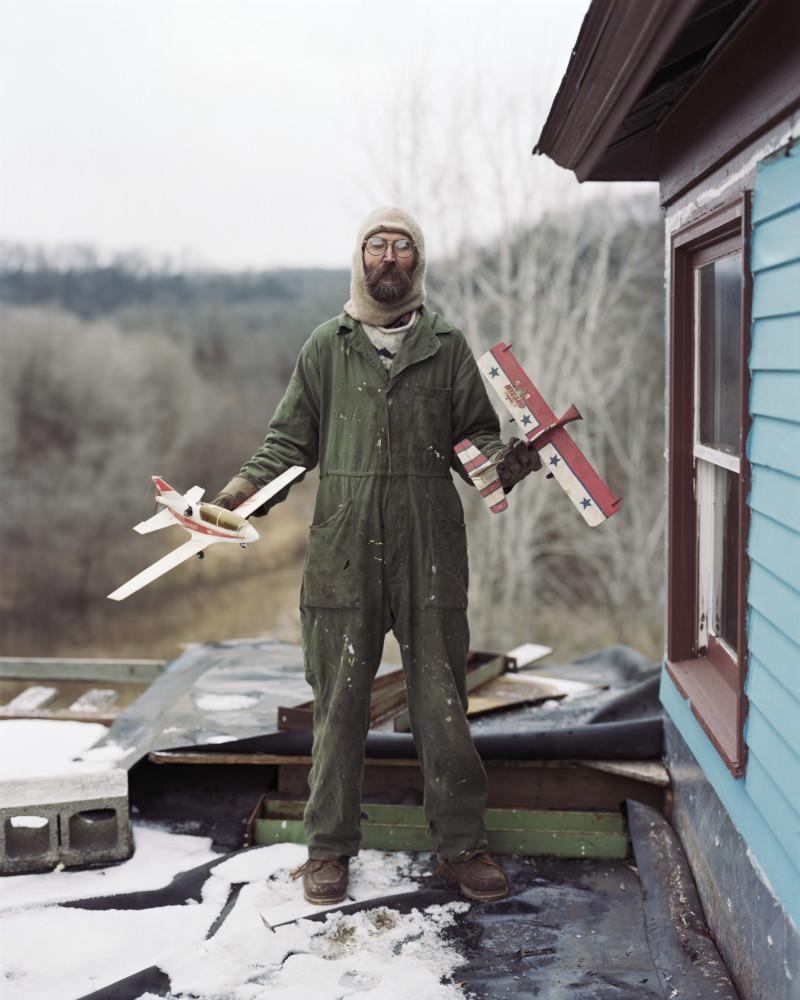
“Portraits populate Sleeping by the Mississippi; characters imbued with a kind of mythological meaning, Soth’s images have rendered them mysteriously symbolic. Charles – perhaps one of the more well-known characters to inhabit the book, with his aviation gear and model airplanes – represents a “humble search for creative exploration” to Soth. “I want to be him!” he exclaims. To the photographer, at the time, Charles was proof that “living a creative life doesn’t have to be on an epic scale.”
“Soth recognises photography as a language: a language full of dialects, of which road trip photography is one, with its own grammar and vernacular, its set of references”
“Opposing essentialism, he doesn’t believe photography can convey a deep truth about a person. Instead, “a photograph merely is light reflecting off a surface” – a transient moment in time, impermanent.”
““I was a morose, introverted young man,” says Soth of his early years, identifying with a version of a Midwestern American sensibility that was “dark and lonely”. Working in a photo-processing lab on other people’s pictures throughout his early 20s, he had (almost) given up the ambition to become a famous artist, yet it was this very relaxation of his personal ambition that eventually allowed him the degree of freedom necessary to accept the influence of the American tradition of road trip photography in his own work – to stop pretending he was reinventing the wheel, to carry on the tradition and make it his own.”
“He began to follow the Mississippi River in his car, driving from place to place, letting himself progress towards locations he had vaguely researched and “using the river as a route to connect with people along the way.” These were the early days of the web and the development of his process ran parallel to the growth of the internet. “It was like web surfing in the real world” he says, “it was like trying to ride a wave.””
“A miraculous time in my life,” is how Soth describes this process. He felt warmly welcomed in the region; he was allowed into the intimacy of people’s homes.
“The symbols of religion he encountered everywhere in the American South, and which pervade his photographs, felt especially loaded. As the Mississippi goes south it becomes warmer and more open, he explains – he was photographing a melancholy landscape where he could visibly see the roots of the country music that was born here. “It’s so easy to be ironic and cool but the real stuff is still out there,” he says.”
“The experience of living with his mother-in-law is one that he credits as “giving him superpowers” – talking to strangers was nothing in the grand cycle of life and death. And photography was “a permission slip” – a reason for being there, for entering the lives of strangers, and taking their picture.”
“American Surfaces is a series of 312 colour landscape-format photographs depicting vernacular scenes that American photographer Stephen Shore captured while on a dedicated road trip across America in 1972–3. Informal portraits, photographs of city and suburban streets, and images of domestic objects, meals and street signage are all among the subject matter featured in these works, which can be displayed sequentially in smaller groups or as part of the series in its entirety.”
“This seriesis the earliest example of the road trip projects documenting the social landscape of America that have formed a central part of Shore’s practice. Today, the exhibition is widely acknowledged as representing a key moment in the history of photography.”
“Reflected in the title of the work, the details recorded in American Surfaces are superficial, yet together they build a bold and insightful portrait of the social and geographical landscape specific to North America at that time. Prior to making American Surfaces, Shore’s work had focused almost singularly on New York, where he grew up. This project marked a formative point in his career when the concept of the road trip became – as it remains – integral to his practice: immediately after finishing this project he began his seminal series Uncommon Places (published 1982). The artist has stated that he set out to record ‘everything and everyone’ he came across (Stephen Shore, artist talk, San Francisco Museum of Modern Art, San Francisco, 23 February 2012,”
“Shore is recognized as being among the most influential post-war American photographers, and was included in the landmark exhibition New Topographics: Photography of a Man-Altered Landscape at the International Museum of Photography at the George Eastman House, Rochester, New York in 1975″
Road trip photography is a great way of collecting a ‘real life’ collage of scenes, places and people. It is always exciting, as the photographer doesn’t know in advance what he’ll encounter or where he’ll end up. This point takes the viewers along on that journey of wonders and surprises. Reflections of places and the people within them. Each person is both a photo, a story and a piece of I remember encountering several examples of photographers documenting journeys through spaces during our course: While researching on Jeremy Deller, I had a look as his ‘It Is What It Is”, 2009 Project, Another time / place travel project was Shimabuku’s ‘Cucumber Journey’, ‘D’Est’ and ‘From the Other Side’, by Chantel Akerman 2002, although it involved filming beside photography. Further example is Rodney Graham’s ‘Aberdeen’.
Some examples of journeying through time in photography are actually capturing a brief, decisive moment and extending it into a different narrative, or context. One example of that use, can be seen in Stanley Forman’s famous photo Woman Falling From Fire Escape |1975. The subjects were being saved from a fire, but through the photo, they look as if they are swimming, or soaring through the air. Birthing fantastic, new meaning to the moment, turning it into something different: image reference
Photographer Tian Li, became well known once he published an extended project of taking a photograph, in the same pose with his son every year over 28 years.
“Every one of us is journeying through time and journeys are often the start of stories” This quote takes us back to the journeying through time we did in part 2, through text, poetry and literature, poems such as ‘Fern Hill’ and ‘The Road’ life journeys are very capturing and emotionally moving.
Photography and land art – Research Point
Top: Aleksandra Mir, First Woman on the Moon, Produced by Casco Projects, Utrecht on location in Wijk aan Zee, NL, 28 Aug 1999, available on: https://www.aleksandramir.info/projects/first-woman-on-the-moon/ accessed 26/7/2020
Bottom left: Hamish Fulton, Whitehill Wood 1976, available on:http://www.artnet.com/artists/hamish-fulton/whitehill-wood-S9GL86TOGhyGTYETlhuQuw2 accessed 26/7/2020
Bottom middle: Keith Arnatt
,Self-Burial 1969(Television Interference Project)
 available on: https://www.tate.org.uk/art/artworks/arnatt-self-burial-television-interference-project-t01747 accessed 26/7/2020
Bottom right: Richard Long, A Line in the Himalayas, 1975.
Photograph documenting work in the Nepalese Himalayas, available on:https://sculpturemagazine.art/ideas-can-last-forever-a-conversation-with-richard-long/ accessed 26/7/2020
Due to it’s momentary and provisional nature, photography seems to be an integral part of Landscape / Walking / Journeying art as well as or any other type of ephemeral or conceptual art projects.
The linked with photography, has several reasons:
Most obviously: photography is a documentation power: A photo, has the natural capability of preserving ‘a moment in time’ therefore, it is a natural tool to be used in transient projects such as land art. As land art disintegrates, the photos of the art work remain.
Photography is used for capturing the work’s original image, in specific time and view point chosen by the artist, along with text which portrays the artist’s concept, interpretation and ideas. The combination of displayed photography along with concept texts is used for efficiently displaying provisional art as time passes, rendering it eternal and therefore accessible in future generations, regardless of the work’s period or production date.
Additionally the photographic documentation of art work, allows complex land art such as stone sculptures and land lines it to become easily reproducible and sharable and discussed over multiple mediums, such as photo books, news articles and web blogs.
Finally there is another point of indication that project photography is a part of the art by itself and not simply as art documentation. Separate thought and meaning are observed in accordance to the compositions and perspective of each photo, this is particularly notable in Richard Long’s and Hamish Fulton’s art photo compositions, in which aesthetic value and visual beauty can be appreciated, therefor the photos themselves are recognized as independent art works.
Our research read describes the scientific genius process of relentless cycle of trial – error – conclusion – modification. With emphasis on the importance of independent experimentation – “This fact showed me how little dependence was to be placed on the statements of chemical writers in regard to this particular subject, and how necessary it was to trust to nothing but actual experiment”.
Do you see photography as mechanical or creative? Can any process be both?
I believe all arts involve both a mechanical, technical or scientific aspects within the creative process. If we observe traditional art forms, painting for example, we find very technical and scientific processes used such as canvas preparation, perspective measurements and color mixing. Photography can certainly quality as creative, due to the fact that ideas for photos start in the creative mind, creative vision or “the good eye” in photography the subject, atmosphere, light and position.
Photography requires dedication and expertise in camera use, a photo is essentially the transferring and preserving images that inspire us using light and film. Although we use a camera, the process is not completely different from painting and image using our brain and hands, both processes start in the mind, despite photography tools being slightly more ‘technological’ in nature.
Exercise 1
Photography is a unique art form due to the following points:
Firstly, as previously mentioned, photography is fairly modern in comparison with other art forms that have been evolving over thousands of years. As concluded by Talbot’s manuscript, the initial development of photography was scientific and experimental.
Photography is the first art form requiring a mechanical devices, despite being quite a relatively new form, it is one of the fastest forms to evolve and change due to to technological advances and new types of cameras being invented.
Unlike other art works, a photo is relatively mass produced in print and digitally. Photographs can transcend us through time and transport us to places and specific events regardless whether we view the original or not. This is the reason became an important part of the storytelling process, this is especially central to journalism and mass media.
Research point
Notes on ‘Context as a Determinant of Photographic Meaning’
Photographs are recontextualised through shift in location, as the context changes, so does the meaning.
Most critical analyses of photographs concentrate on their immanent structure, their internal relations (part to part, parts to whole within the framing edge).
The frame of the photograph encloses a space, a world, which we can enter (in our imaginations).
although our attention is primarily directed towards the image, we always retain a subsidiary awareness of its/our environment. No figure can be perceived except in relation to a ground.
the word ‘context’: several different types of possible context is being referred to, contexts can be architectural, media, mental, socio-historical.
In most cases, context shift is a change of emphasis in the photograph’s depicted content: different parts or characteristics of the image appear important in different display contexts. Alternatively, its whole meaning is given a new significance, is enhanced or modified.
when a photograph enters into a montage relationship with either a caption, text, another picture, a ‘third-effect’ meaning can be generated from that juxtaposition.
In the distant past, paintings and sculptures were produced for specific locations, as the mobility of artworks increased until they lost all connection with specific places.
geographic dispersal and mobility was extended by the development of various kinds of reproductive processes, culminating in the invention of photography. There is a need to examine the life of an image as well as its birth, to consider its circulation, its currency, as it moves through time and space from context to context,
Jo Spence – Beyond the Family Album, Private Images, Public Conventions, depicting Jo Spence from the age of eight-and-a-half months to her forties was displayed in the ‘Feminism and Photography’ section of the Three Perspectives on Photography exhibition at the Hayward Gallery, London. Spence’s photographs explicitly challenge context conventions by transposing images which are normally found only in family albums (the private realm) into the public sphere.
If display context can influence the meaning of a photograph, the photograph can influence the meaning of the context. Beside the display and media contexts in which photos appear, we must also take into account what Ernst Gombrich calls ‘the beholder’s share’. A viewer approaches an image not with a blank mind but with a mind already primed with memories, knowledge, prejudices; there is a mental set or context to be taken into account.
Although ‘everyone is different, a unique individual, therefore every person’s response to an image is different and exclusive to them’. The mass media would simply find communication impossible if there were not common desires, experiences and values to appeal to and to work upon. Pictorial stereotypes do not merely exist externally in the world of the mass media, they inhabit us.
Exercise 2 – “artistic” photo
Kirirom picnic –
I’ve chosen a private photograph from my own collection. I consider the photo artistic as the image reminds me of Georges Seurat’s famous work: ‘A Sunday Afternoon on the Island of La Grande Jatte’. Additionally it was taken under special circumstances, at a fantastic location: The photo was taken on the Phnom Penh arts community painting day trip to Kirirom national park. We were all painting by a beautiful lakeside on an overcast day, with flower crowns in our hair. The scene inspired me to take some photos for the purpose of possibly creating either paintings or artistic photos later on. The photo series itself is beautiful, I’ve rendered some of them using color enhancements and special art filters.
Research point – The Flood
Examples of my own use of photography in social media:
I’m rather aware of my privacy and problems in social media use. My contact list is limited to people I know in person and wish to stay in touch with. However, living abroad, I do use these networks in order to keep in touch with family and friends, I occasionally share photos, especially of my children during holidays and special family occasion and friends on Facebook.
Additionally, I love travel aesthetic and natural photography, there are really nice groups to be a part of and I do rarely share a photo on Instagram, which is a more focused on photography and artistic shots.
Another personal use of photography on social media is for business, promotional travel photos are great for business and developing a client network.
On social media, I do try to share only photos of quality and value. Party selfies usually get privately sent and deleted shortly afterwards.
believe the internet is indeed like an ocean, or flood of information and resources. This is probably unstoppable in the near future, the data will only keep increasing in our digital age, therefore we need the solution is in learning how to swim, or maneuver within the flood, become smarter and more selective in focus and our ability of detecting quality resources, including images and photographs,
The vast abundance of photographs available on social media had probably democratized photography, for the reason that it created a vast new stage for photographs to be displayed and make an impact. This is especially true for pictures taken by rural populations, indigenous people and refugees. Social media is one of the only stages for their images and voices to reach the world. I must add that social media changes recently, it isn’t as free as it used to be and seems more commercially motivated as well as censored by authoritarian orders. Arrests due to social media images or posts are becoming a new norm in many countries.
The Work of Art in the Age of Mechanical Reproduction (1935/1936) – Walter Benjamin available at : https://www.jahsonic.com/WAAMR.html accesed 1/7/2020
Reading notes:
These convergent endeavours made predictable a situation which Paul Valéry pointed up in this sentence: ‘Just as water, gas, and electricity are brought into our houses from far off to satisfy our needs in response to a minimal effort, so we shall be supplied with visual or auditory images, which will appear and disappear at a simple movement of the hand, hardly more than a sign.
“One might generalize by saying: the technique of reproduction detaches the reproduced object from the domain of tradition. By making many reproductions it substitutes a plurality of copies for a unique existence. And in permitting the reproduction to meet the beholder or listener in his own particular situation, it reactivates the object reproduced. These two processes lead to a tremendous shattering of tradition which is the obverse of the contemporary crisis and renewal of mankind. Both processes are intimately connected with the contemporary mass movements. Their most powerful agent is the film. Its social significance, particularly in its most positive form, is inconceivable without its destructive, cathartic aspect, that is, the liquidation of the traditional value of the cultural heritage.”
“Unmistakably, reproduction as offered by picture magazines and newsreels differs from the image seen by the unarmed eye. Uniqueness and permanence are as closely linked in the latter as are transitoriness and reproducibility in the former. To pry an object from its shell, to destroy its aura, is the mark of a perception whose ‘sense of the universal equality of things’ has increased to such a degree that it extracts it even from a unique object by means of reproduction. Thus is manifested in the field of perception what in the theoretical sphere is noticeable in the increasing importance of statistics. The adjustment of reality to the masses and of the masses to reality is a process of unlimited scope, as much for thinking as for perception.”
“..art in prehistoric times when, by the absolute emphasis on its cult value, it was, first and foremost, an instrument of magic. Only later did it come to be recognized as a work of art. In the same way today, by the absolute emphasis on its exhibition value the work of art becomes a creation with entirely new functions, among which the one we are conscious of, the artistic function, later may be recognized as incidental. This much is certain: today photography and the film are the most serviceable exemplifications of this new function.”
Art Rogers’ photograph (left), Jeff Koons’ work (right)
In Art Roger’s original photograph, a man and a woman are holding a total of 8 puppies in their laps towards the camera. An age gap is notable since the man has light graying hair while the lady appears younger. Similarity of the smiles and facial features indicates the two are relatives or family members, it is obvious to see they are very happy. In the background, a rustic, wooden fence hints the image was taken on a farm, or location away from the city. The puppies seem to be purebred Alsatians, or German Shepherd dogs, all looking healthy and well cared for. The photo has nice light shadow contrast and clear definition.
The first notable communicative elements are the smiles upon the faces, it seems to signify joy and closeness. Another sign might be the arms embracing the puppies lovingly, likely to signify parental care, family is signified..
The image’s visual effect involves emotional stimulus: As 1* Heather Brady explains in her National Geographic article, looking at cute puppies triggers a biochemical reaction known as “baby schema” or cuddling effect, caused by secretion of oxytocin and dopamine in our brains that leads to a sensation of happiness, love and adoration.,
The puppies are signifiers of babies, while parenting is signified here, largely in association with happy family moments and life’s simple pleasures. “
I was introduced to the image online, while researching appropriation art and images, its widely prevalent in online art articles and creative appropriation discussions, which I will be addressing in this text. It was produced by Art Rogers in 1980, he was commissioned by James Scanlon to take photos of his German shepherd pups. Scanlon later said, 2*”I specifically commissioned Art so that the photograph would have his genius — his special ‘magic’ — and he provided it.” Rogers spent multiple hours finding the perfect location, light catching and position for the Scanlons and pups. Additionally, he worked tediously during the processing, selecting and printing the image. He said “’Puppies’ was one of my best images. It has a beautiful, creamy soft but crisp light . . . I wanted the puppies to look real cute, and they are cute.” Both Rogers and the Scanlons were pleased and recognized the photo’s artistic value. Rogers had published and exhibited his image, signed prints were sold and a reproduction deal was signed in 1984, thus the image became both affordable and widely accessible by being printed on postcards.
As we look at Jeff Koons re-appropriated work, ‘String of Puppies’ we note an identical scene of man, woman holding 8 puppies. Yet it feels very different from the original, the textures seem smooth, glossy.The faces cannot be read as happy or proud, simply vacant somewhat like mannequins.The puppies are there, but they’re no longer cute but seem clownish and slightly ridiculous due to the blue color and exaggerated nose features. There are little daisies in the man and woman’s hair.
The image leaves an unnatural, uneasy feeling as we see the subjects, but can’t emotionally connect as we easily do with the original photograph. It seems to either highlight or ridicule our feelings, by freezing the moment and preserving it under thick layers of color and gloss.
Koons first saw the original photograph on a postcard he bought during a trip to Europe. He was inspired and commissioned a wooden sculpture of the image from Italian craftsmen, who’s ordinary work is reserved to the carving of painted wooden religious icons.
It’s important to acknowledge that the image is a part of his 1988 ‘Banality show’ – a collection of 20 large, painted wood and porcelain sculptures whose theme was a parody and celebration of everyday objects, banality and kitsch art. The show featured many re-appropriated images of celebrities, animals and characters representing 20th century visual pop culture, more examples are Michael Jackson with Bubbles the chimp and Jayne Mansfield with Pink Panther.
As Koons explained his use of appropriated images in his art: *3“When the artist finishes his work, the meaning of the original object has been extracted and an entirely new meaning has set in its place”. Additionally, his quotes in the *4 Tate article reveal that his work was meant to question and explore the definition of ‘high art’ by placing images borrowed from ‘mass popular culture’ into spaces and audiences traditionally reserved for ‘high culture’: “I was telling the bourgeois to embrace the thing that it likes. Don’t divorce yourself from your true being, embrace it. Don’t try to erase it because you’re in some social standing now and you’re ambitious and you’re trying to become some upper class.”
Comparing the similar compositional elements 5*, which is probably the most significant modality for this assignment, the two images are linked through visual structure, despite the newer art work being essentially 3 dimensional and of different genre, it was clearly meant to mimic the original image and photographer’s viewing point. As Koons identified, both could be interpreted as forms of Kitsch art, potentially fitting into a grandmother’s collection of porcelain dolls and travel souvenirs.
On the other hand, there are substantial differences in both the technical and social modalities: Rogers’ intention is straightforward and genuine, he is using professional skill in order to capture the moment’s emotional perspective. While Koons means to take that image of wholesome family values, strip its humanity and emotion and transform it into a cultural icon.
The images are most famously connected in relevance to Art Rogers vs. Jeff Koons legal case. 4* ‘If the Copy Is an Artwork, Then What’s the Original?‘ Randy Kennedy asks in a New York Times article on appropriation in art.
In the legal context, “Puppies” strongly affected both visual culture and the art world by establishing new boundarie to creative fair use. Holding artists liable for creative infringement in art appropriation, meant recognizing creative and financial rights of professional artists whose work was previously used without their knowledge or consent.
The case could be extended into a comparison between the ‘old Vs next new’ in art and pop culture, the old represented here by Americana professional photography as Art Rogers created his image through ‘good old’ hard work and artistic skills, focus points were on visual aesthetics, nostalgia and wholesome family values. This image is understood by everyone, accessible and affordable through daily objects such as postcards.
Koons’ new image ‘String of puppies’ is a clever piece of pop art, black and white classic turned into a colorful cultural icon. like MTV’s ”Video Killed The Radio Star”. It is intentionally insolent, using compositions borrowed from other artists, money to commission work as opposed to producing it and fame to sell it. Since the image was brought into the ‘High End’ gallery environment ,it managed to fetch millions in collector sales along with other pieces of the ‘Banality’ show.
To conclude, despite Koons getting criticised and sued for infringement, I can definitely appreciate his sassy reproduction. Both images are wonderful and make good examples of ways new life and meaning can be birthed by conceptual re-appropriation in art.
Room Six: Territories in: Dean, T. & Millar, J. (2005) Place. London: Thames & Hudson.
Part 2, Unit Reflection
I always classified myself as a visual thinker,therefore, found this unit, both constructive and enjoyable. I feel that the unit’s learning journey through different aspects of visual communication has strengthened my skill of identifying messages and meaning within visual content. This was developed both through completing course work as well as the books suggested by my tutor on methods of visual analysis, such as Visual Methodologies, by Gillian Rose. I plan to continue further by enrolling with OCA’s illustration course next.
I found the task of image example research particularly interesting for the fact that seeking images often leads to new exploration of unexpected places, genres and time periods, for example looking up different visual examples for project 1,E1, opened an entire world of vintage ads and hand made posters designs such as the Soviet posters and Feminist 70s designs. There’s charm found in the directness of visual messages in soviet graphics, I noticed the directness of Soviet messages captured the Attention of Ross Sinclair in 8.‘Real Life and How to Live it’
Collage artist research point was probably my favorite part of the unit. I simply loved how sharp and political collage works can be, which inspired me to extend the exercise by combining use of collage in my own future artwork. I made a random discovery during research for film poster exercise. I found a frame in the film, which included a collage of staring eyes. Given the location and timeline (1927), I realized Bouquet of eyes by Hannah Höch from 1930 might have been inspired by the film image.
My assignment preparation and research experience was quite straight forward this time. My image selection process was by far less time consuming than finding the suitable book snippet for assignment 2 and I feel thankful for that. Reading and research additionally taught me that image appropriation exposes artists to serious infringement / rights issues and needs to be carefully acknowledged.
I’m encountering my first issues on the course: time is not on my side: On top of the existing slowdown caused by homeschooling my children during the 5 month Covid19 school closure, I spent far too long on exploration and image research for this unit, Therefore, finding myself several weeks behind my study schedule.
I feel that timeframes and deadlines were not sufficiently explained or discussed at the beginning of my course. From my introduction materials, my understanding was timeframes are flexible and extensions are possible, while I have now learned that flexibility is limited to course duration and not beyond it.Although now slightly worried that deadline stress would drain the joy out of learning and complicate family care obligations and other art projects.I have really enjoyed my studies with the OCA so far and I would certainly continue working, hopefully towards a timely assessment.
“There’s more in the making” – The Apple Logo challenge
Prior to next major product launchings, Apple had come up with a clever marketing and design play: The company invites the world’s leading visual artists, designers and illustrators to show their unique styles by participating in Apple Logo Art initiative. An Apple logo reinvention showcase on Instagram, which is a perfect example of modern visual communication in cyber space,. Additionally, makes a perfect “win win” set up: Apple gets huge publicity and a chance to identify rising design trends while the artists gain exposure and publicity.
These designs truly stand out by “reinventing something brand new” out of the old design shape & foundation, resulting in extremely unique styles and interesting, fresh graphic interpretations. The selected examples align with “the latest” well by assimilating noticeable 2019-20 design trends such as vivid colors, geometric shapes and high usage of contrasts. We may notice a new trending choices of colors, designs and styles replacements in next year’s Apple Logo Art displays.
Here are several creative examples of the reinvented Apple Logos:
Danish design studio Hvass & Hannibal – lead by Danish creatives Nan Na Hvass & Sofie Hannibal. Recognisable influences in their designs are Art Deco, 50s and 60s Pop art. I can identify a strong inspiration by Japanese graphic artist Picomodi:
Australian artist Karan Singh’s Apple logo reinterpretations have his usual bold colors, stripes, circles and repetitive patterns, they appear to be inspired by minimalism and color based 60sOp artists such as Frank Stella and Josef Albers.
when I think about places transformed, or reinvented by book or movie depictions, the first example that comes to mind is Matamata, New Zealand, which thanks to the Lord of the Rings trilogy will forever be known to double in popular culture as the Hobbiton of the Shire. In this case, the transformation following becoming a selected location for the films, something which had created quite a long term positive effect and a new tourism wave. The Hobbiton sets where left intact and became a sensational attraction for Matamata tourists and Tolkien fans:
“With the success of the films it became a massive tourist attraction and brought in a lot of money for the surrounding area. When the production team came back to the area to start work on The Hobbit, they – thanks to their enormous budget – constructed Hobbiton again, this time bringing in master stonemasons and carpenters to actually build a town that could be lived in. It’s really quite incredible. There’s even the Green Dragon Inn, in which you can go for a refreshing beer after you’ve walked around the area. The reason this area was chosen in the first place was because it included a large tree in the middle of a field (the Party Tree), had a hill on which to situate Bag End (Bilbo’s hobbit hole), and was by some water (Bywater). Tolkien wouldn’t have believed that something he imagined could have been so perfectly provided by nature.”
Another interesting example of a place invented by popular culture to become it’s own phenomenon is “Twin Peaks”. Although the town of David Lynch’s cult classic definitely isn’t a real place, fans have become obsessed with the area outside Seattle where several filming sites are located: “for the quirky charm of small towns such as Snoqualmie, North Bend and Fall City, for the region’s brooding beauty, for its slight air of menace.“.
Beyond Lynch fan tourism, it seems that Twin Peaks inspired others in darker ways: “Mark Lindquist, chief prosecuting attorney in neighboring Pierce County, ascribes Snoqualmie Valley’s gruesome heritage to what he calls a “self-perpetuating myth”.
“Once something is publicized as a place for X, then it enters the public consciousness as a place where you do X,” said the author of novels about weird crime in his own neck of the woods.
And if X is corpse disposal?
“On a practical level,” Lindquist said, “you’re not going to dump a body in downtown Seattle.”
Heritage skill, crochet in 3D, my grandmother and mother, winter evenings, relaxation and patience, Pinterest, 70s fashion, knitting machine
Historical examples of Knitting:
Traditionally, knitting was associated with women and handicrafts passed through generations. It is near impossible to find an old image of knitting men. Knitted items had assumed a very practical role of keeping family members warm during winter and knitted items became popular hand made gifts as well as symbols of the domestic, motherly care and intergenerational teaching. Many classic images of knitting show the craft taking place domestically, among small groups of women, often family members, such as mothers, grandmothers and daughters. Since the 50s, experimental 3D knitting patterns and items such as dolls and household items appeared. Self expression through needle patterns, colors or unique fashion items became popular.
‘Old knitting’ image collection ( top left to right )
Knitted Jackets and Bonnets for Children’s and Infants’ Wear (litho), available on: Bridgeman education accessed 15/7/2020
Laundry room “” Rex”” all steel – advertising for the washing machine with a sewing mom and her little girl knitting. available on: Bridgeman education accessed 15/7/2020.
Winter Comforts (patterns) in Knitting and Crochet (litho), available on: Bridgeman education accessed 15/7/2020n
So much had happened since the first yarn bombs were sewn by artist Magda Sayeg. Thanks to idea and pattern sharing over the internet, knitting and yarn arts keeps reinventing itself as a medium which sees ever growing popularity and endless versatility. I’ve selected several amazing samples of creative knits and yarn art works. While the classic image of knitting sit well with certain elements in my mind map,
Example of timeline sequential art and historical story telling:
“Depicting the Norman Conquest of England, its causes, justifications, and political context, the Bayeux Tapestry is one of the most immediately recognizable, and most complex sources of European history. Importantly, granted the location of its conception, the overt concerns of the Tapestry’s narrative are the religious and political interests of Latin Christian Normandy in the late 11th century. However, it would be a mistake to characterize the Tapestry as mere Norman propaganda – the allegory, analogy and imagery used by the collaborators of the work have given it complexity beyond a simple chronology of events.”
”The term Poor Man’s Bible has come into use in modern times to describe works of art within churches and cathedrals which either individually or collectively have been created to illustrate the teachings of the Bible for a largely illiterate population. These artworks may take the form of carvings, paintings, mosaics or stained-glass windows. In some churches a single artwork, such as a stained-glass window has the role of Poor Man’s Bible while in others, the entire church is decorated with a complex biblical narrative that unites in a single scheme.”
“The Biblia pauperum (“Paupers’ Bible”) was a tradition of picture Bibles beginning probably with Ansgar, and a common printed block-book in the later Middle Ages to visualize the typological correspondences between the Old and New Testaments. Unlike a simple “illustrated Bible”, where the pictures are subordinated to the text, these Bibles placed the illustration in the centre, with only a brief text or sometimes no text at all. Words spoken by the figures in the miniatures could be written on scrolls coming out of their mouths. To this extent one might see parallels with modern cartoon strips.”
“The tradition is a further simplification of the Bible moralisée tradition, which was similar but with more text. Like these, the Biblia pauperum was usually in the local vernacular language, rather than Latin.”
“The term “sequential art” was coined in 1985 by comics artist Will Eisner in his book Comics and Sequential Art. Eisner analyzed this form into four elements: design, drawing, caricature, and writing.Scott McCloud, another comics artist, elaborated the explanation further, in his books Understanding Comics (1993) and Reinventing Comics (2000). In Understanding Comics, he notes that the movie roll, before it is being projected, arguably could be seen as a very slow comic.”
The first newspaper comic strip in the United States was Richard Felton Outcault’s “The Yellow Kid,” which appeared in the Hearst New York American on February 16, 1896. It was published in the Sunday supplement to the paper and was quickly joined by other comic strips.

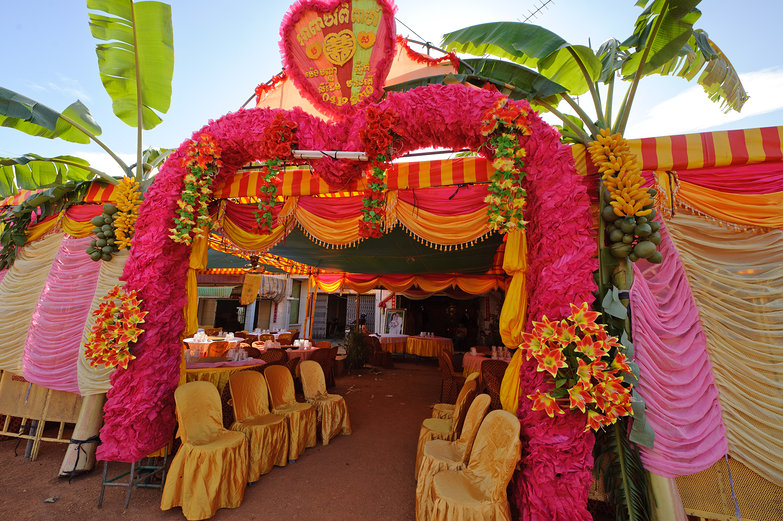
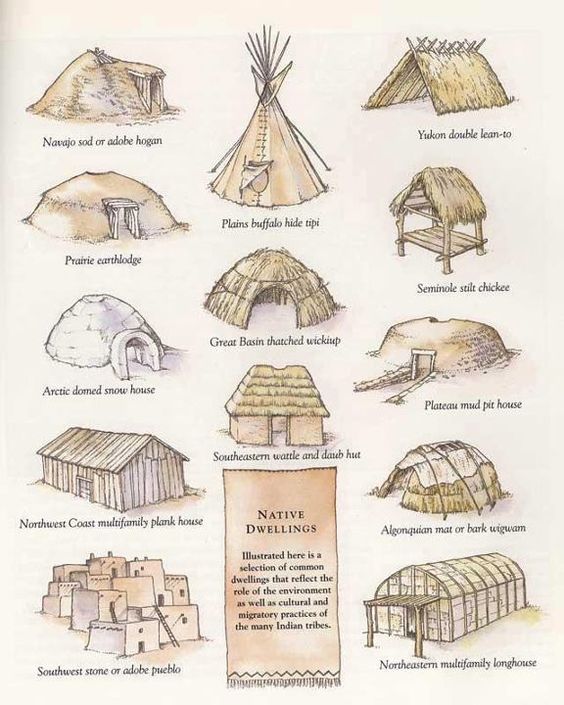

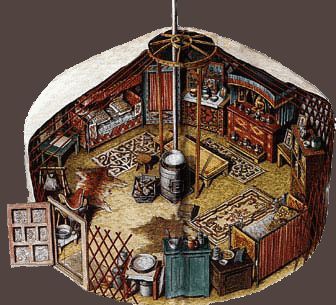
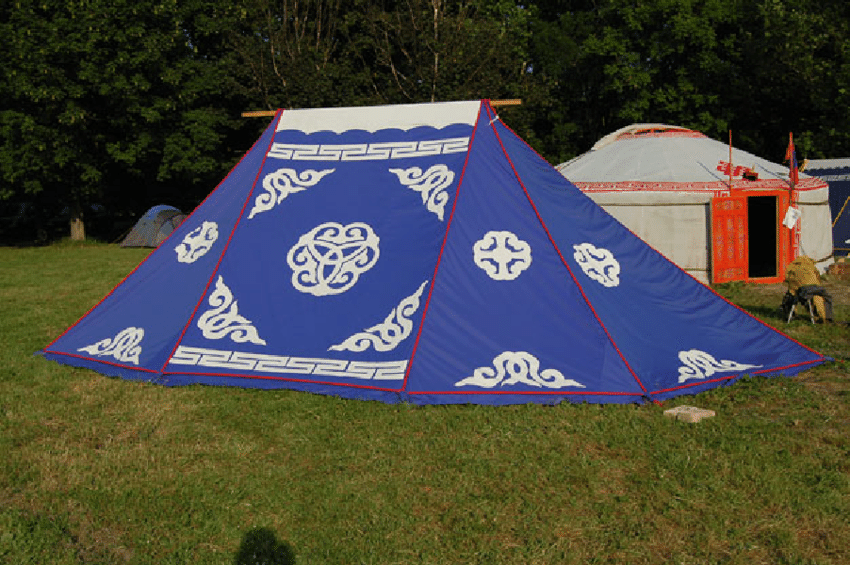

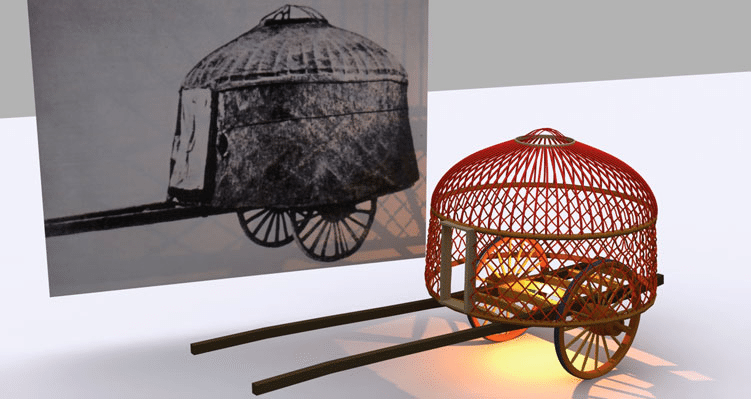
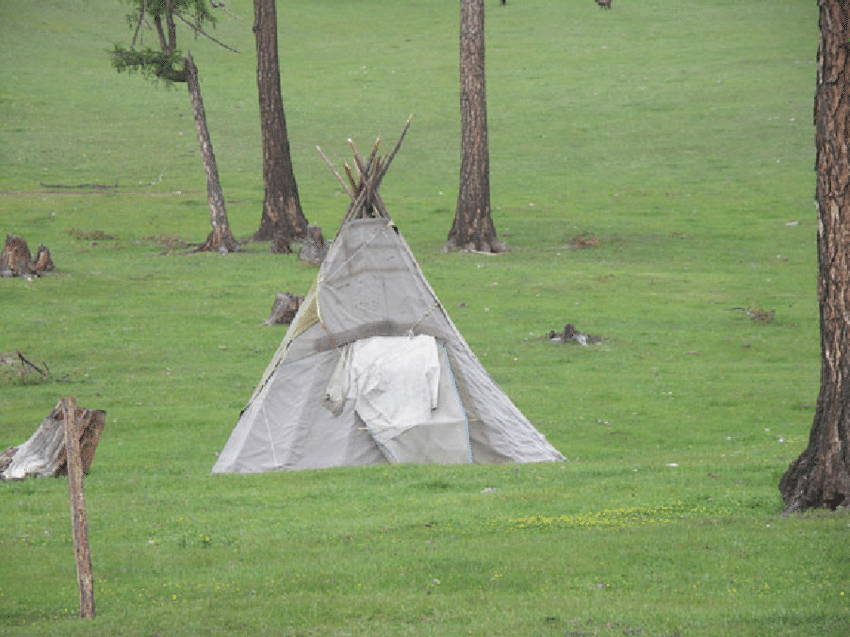

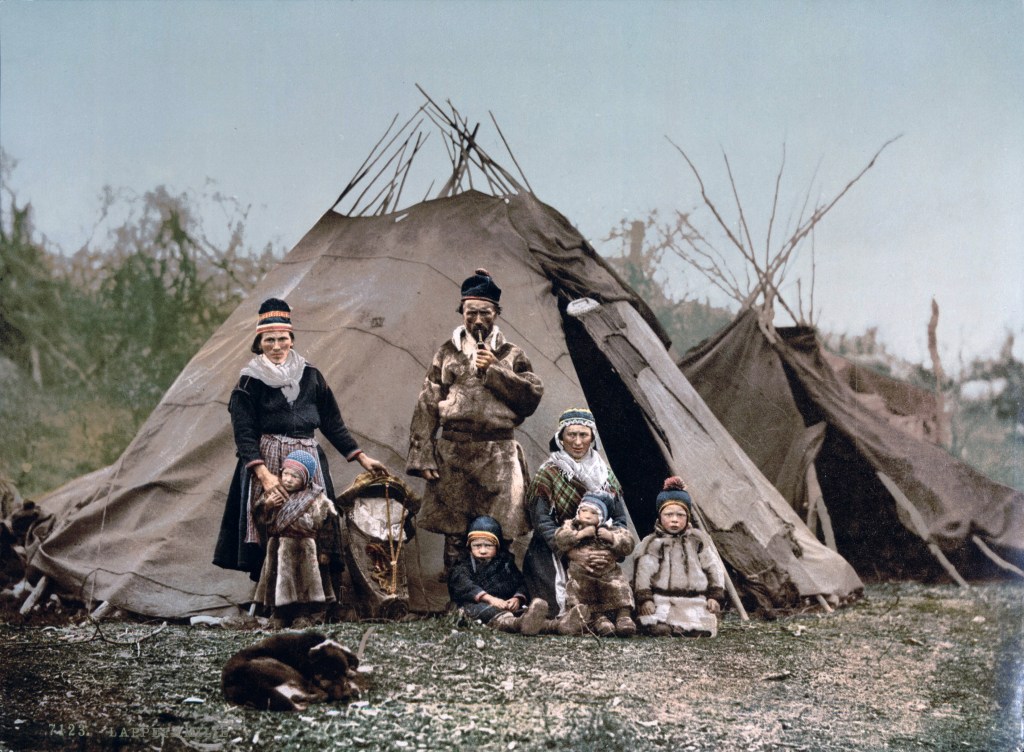
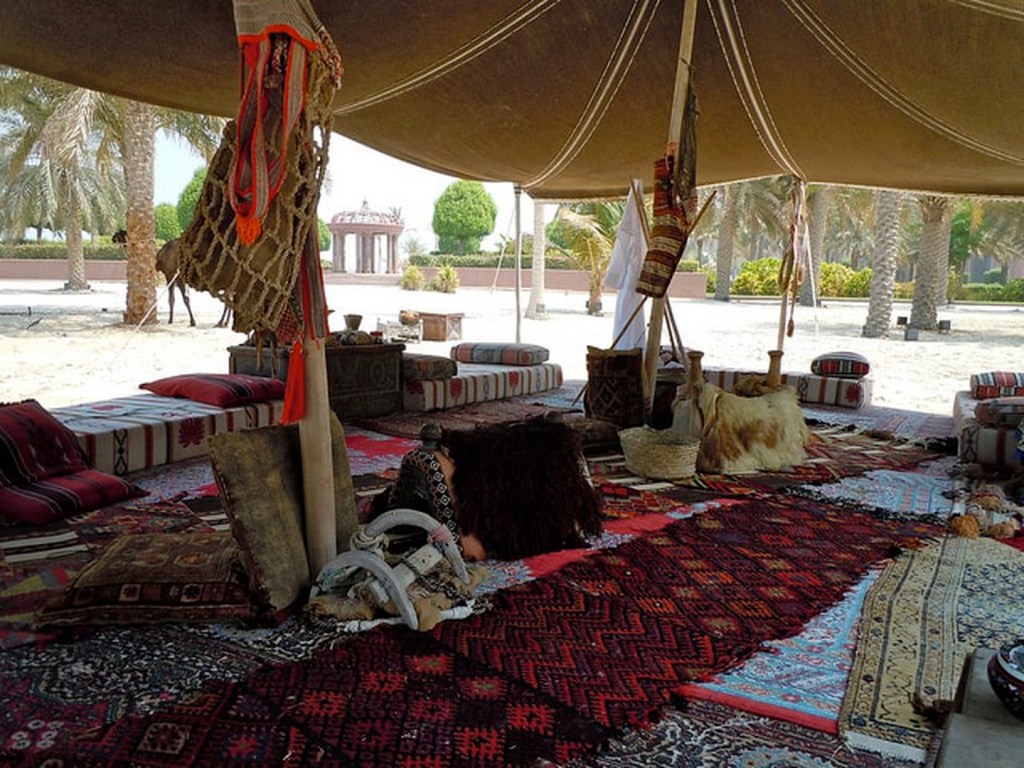
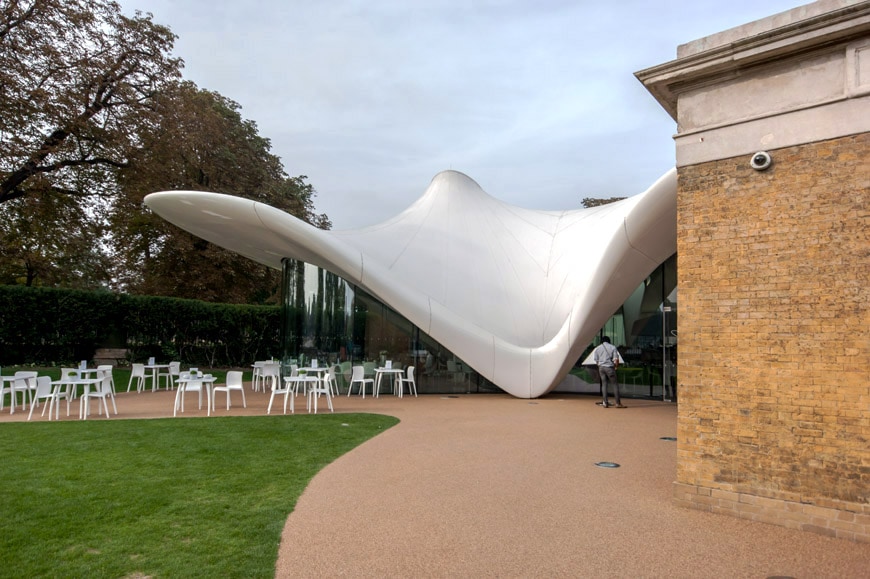
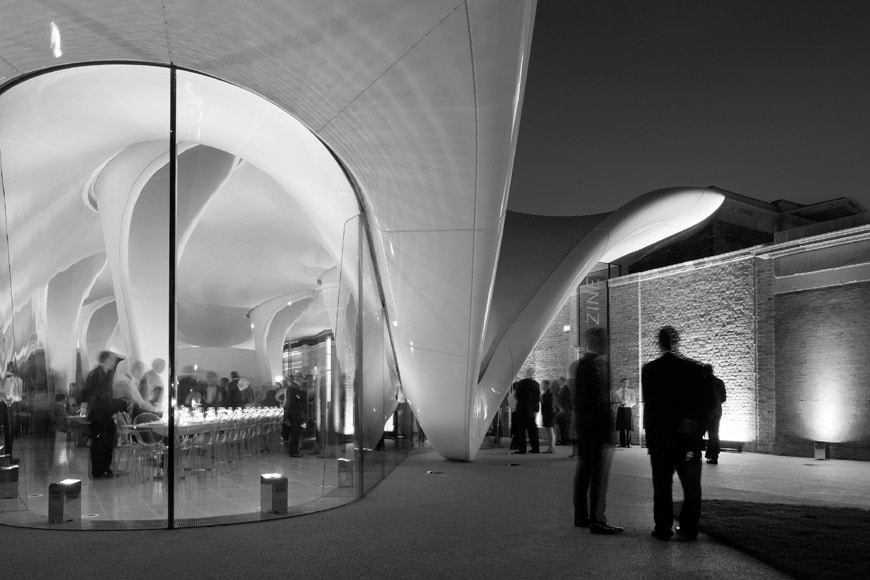
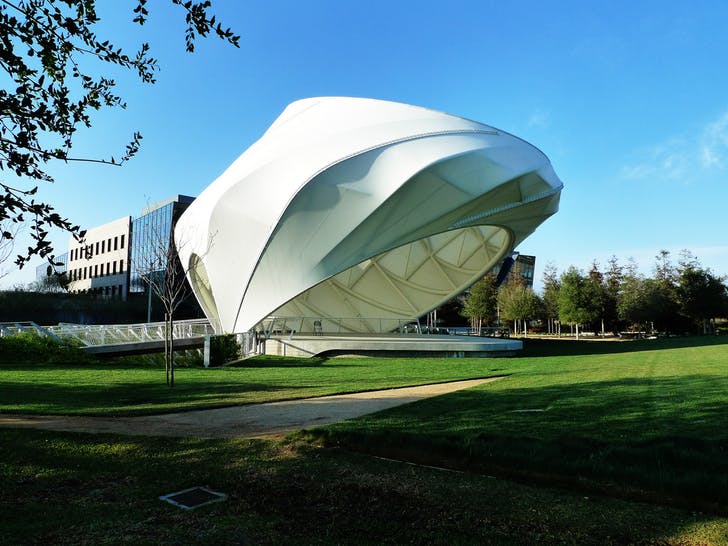
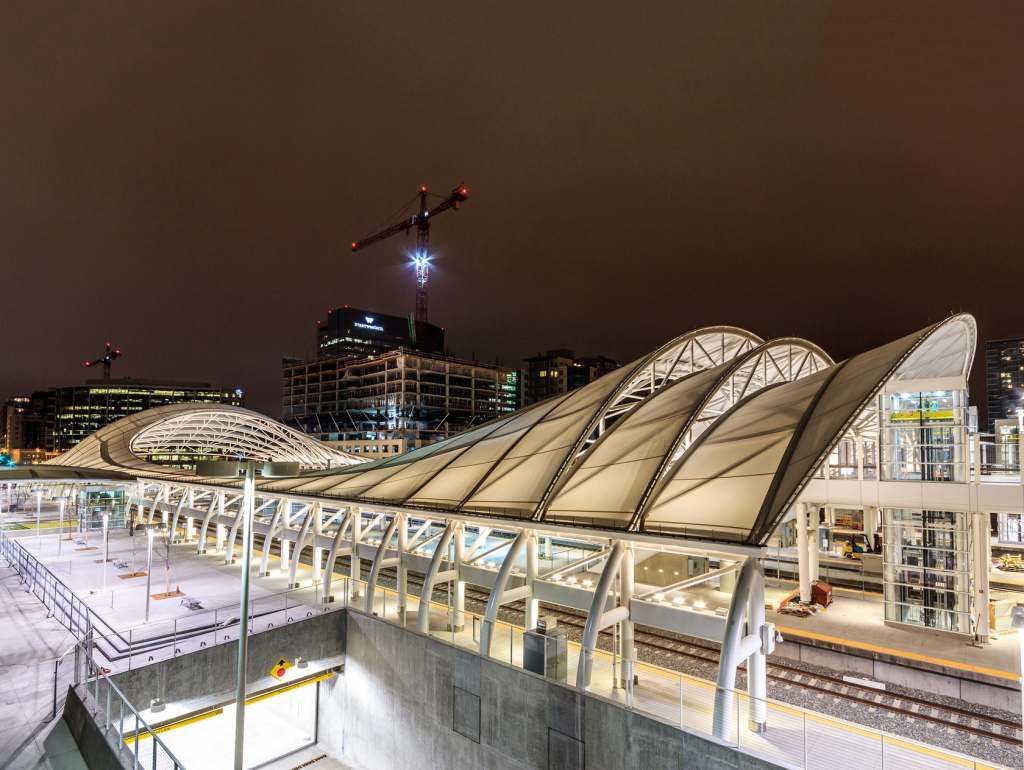
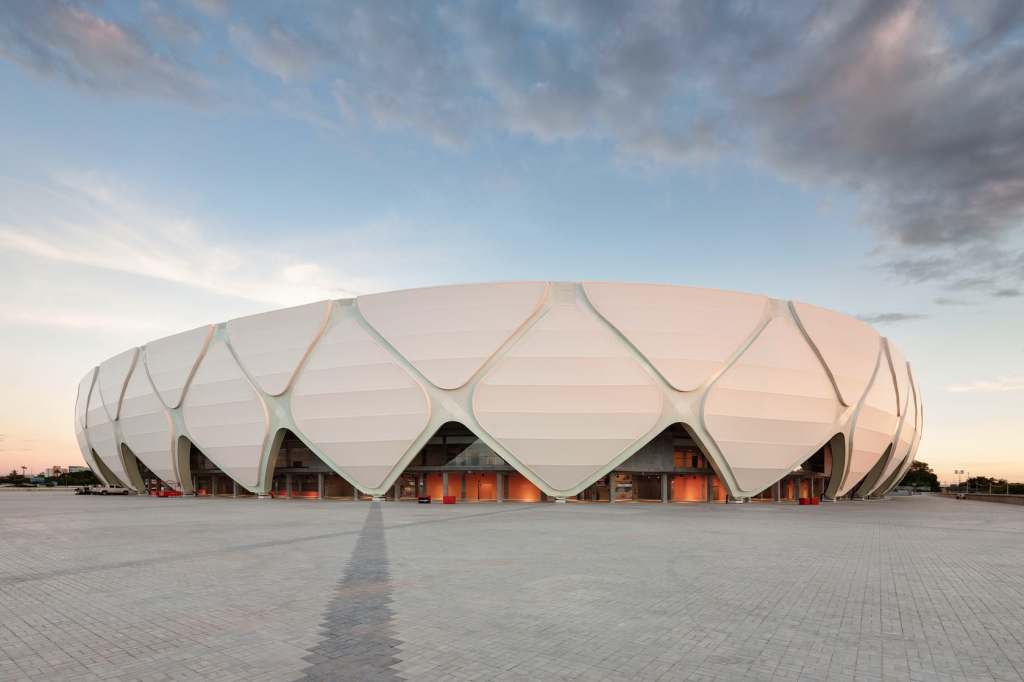
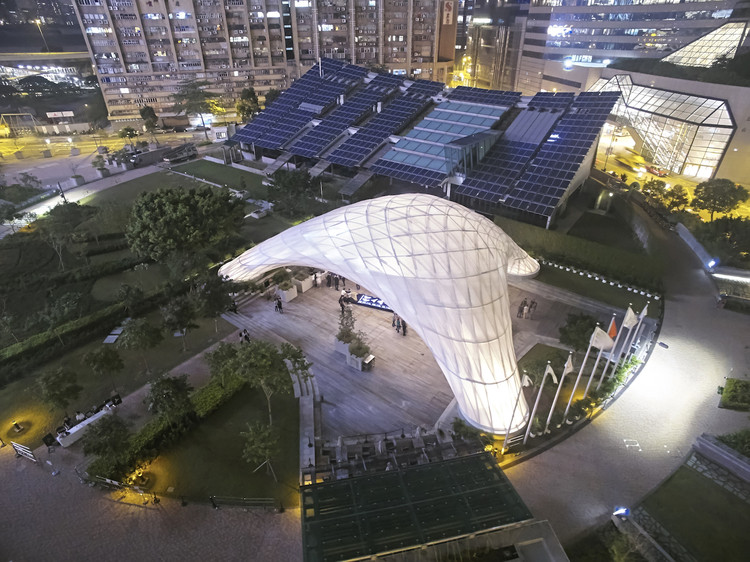
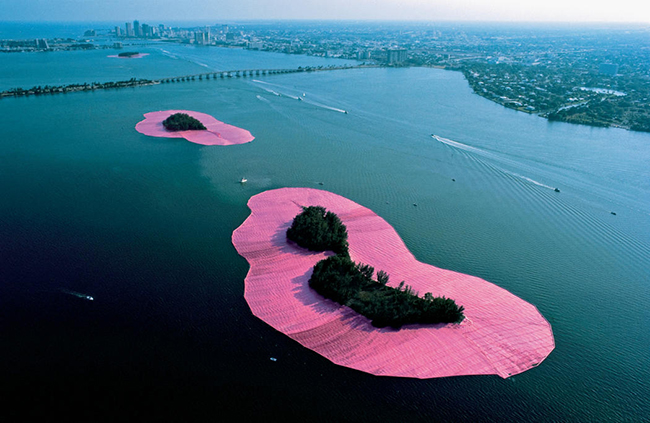
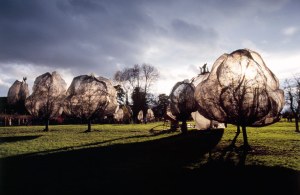

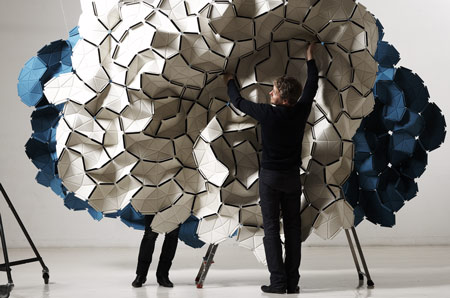
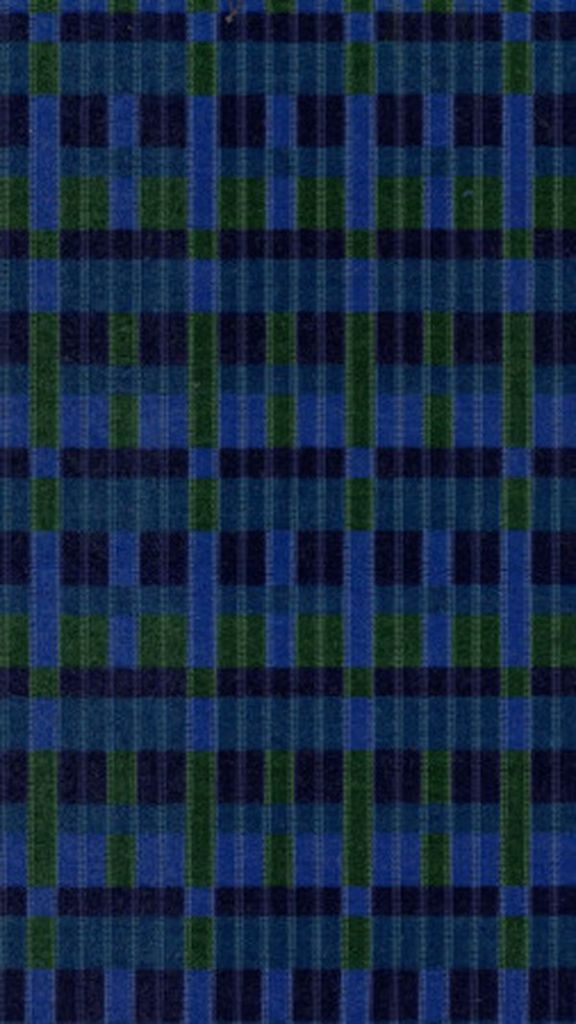
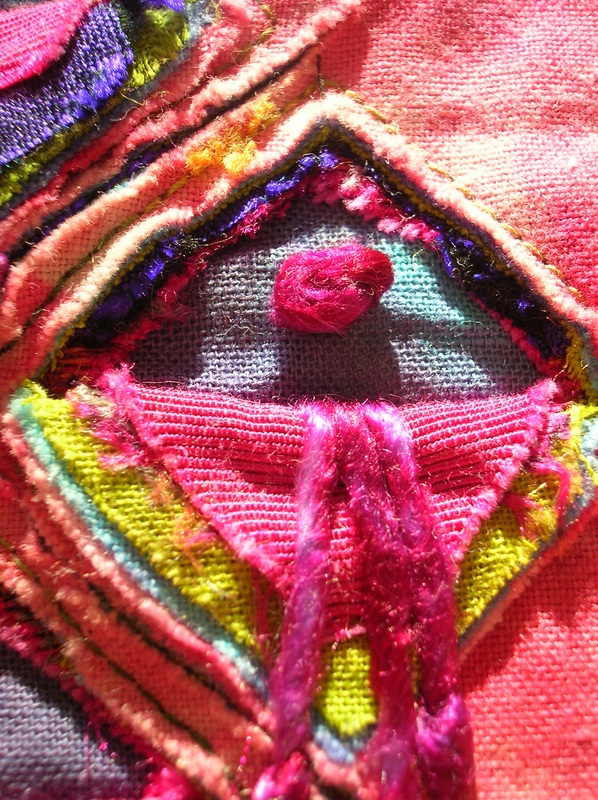

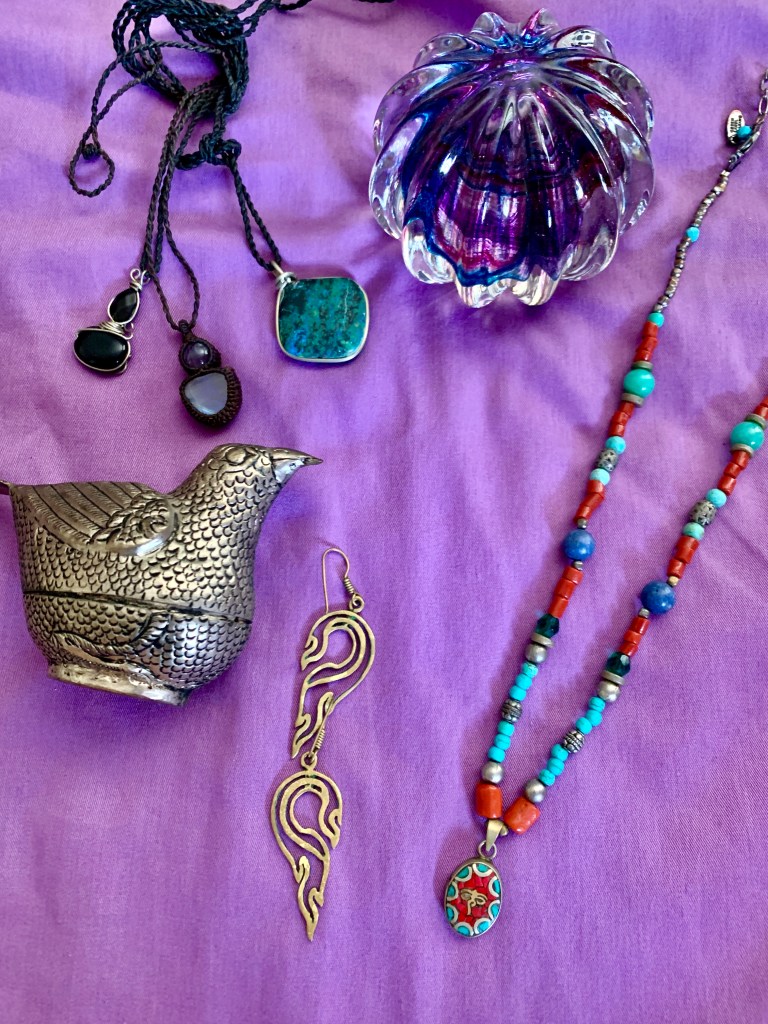
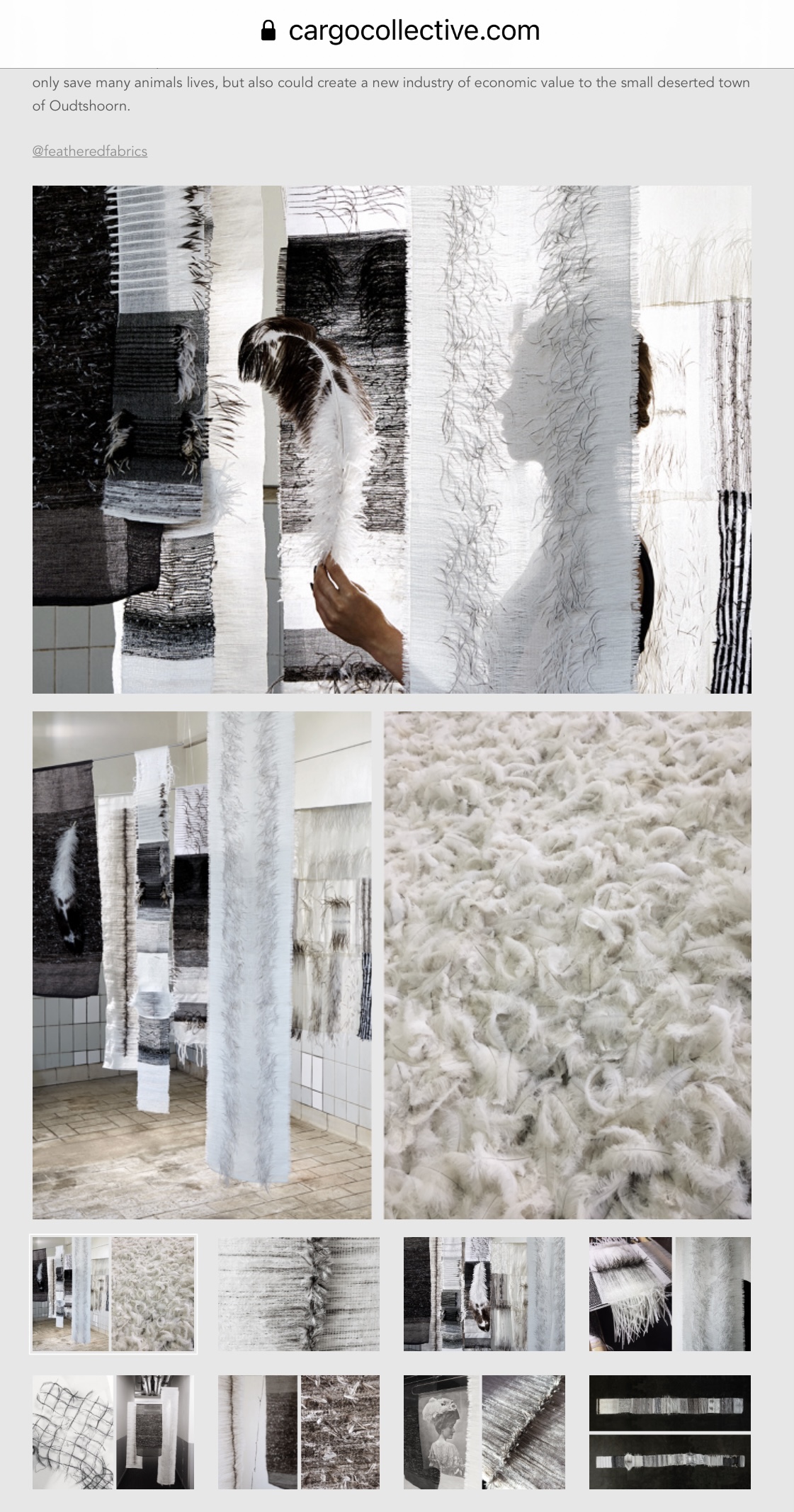
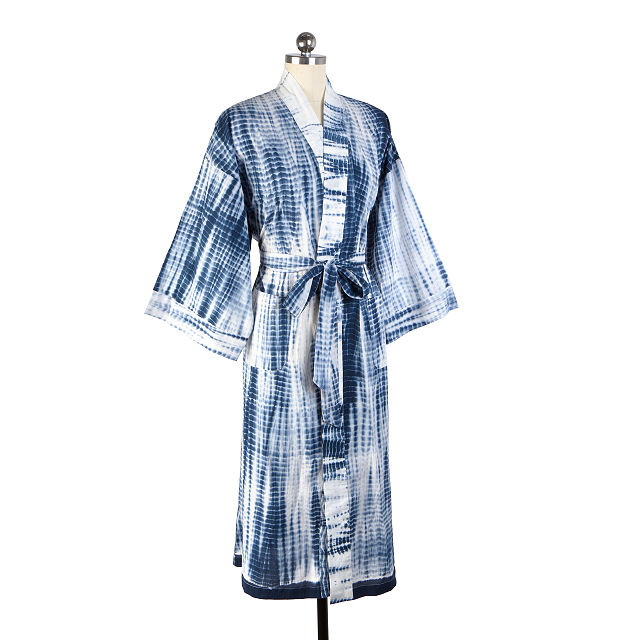
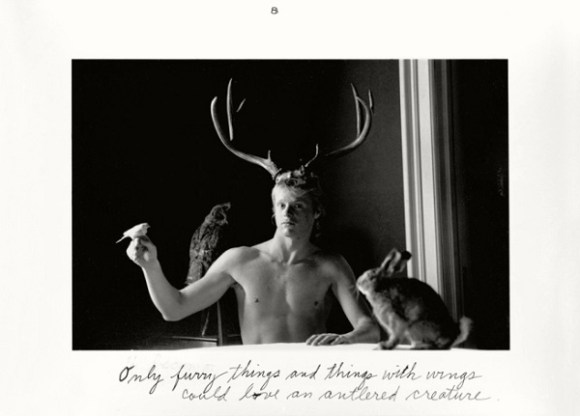
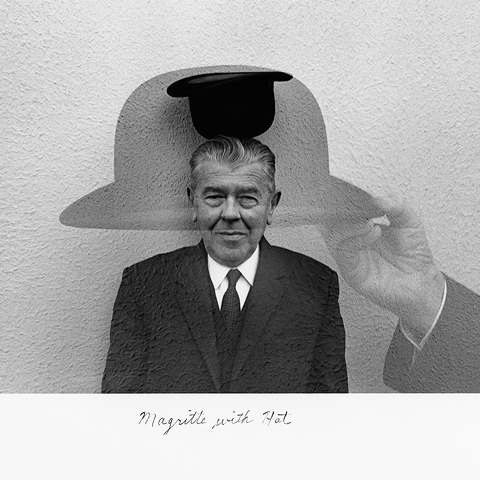
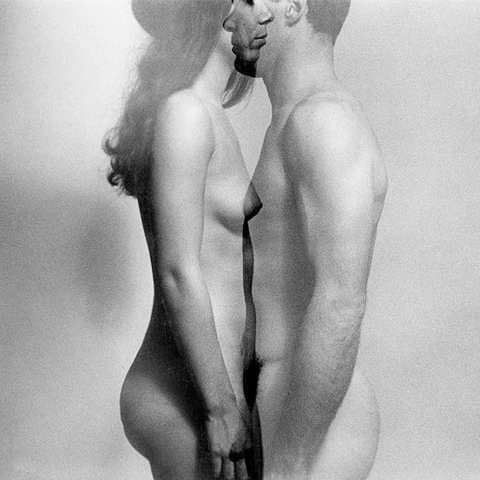
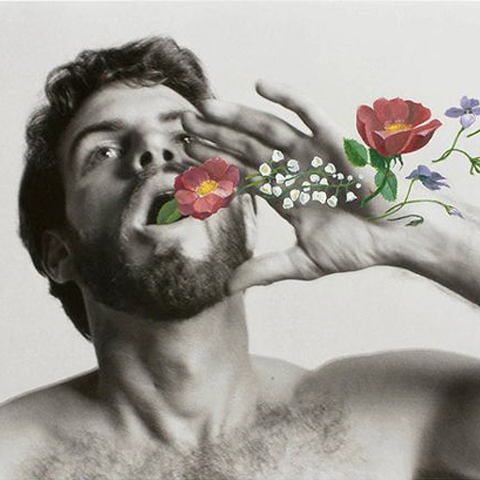
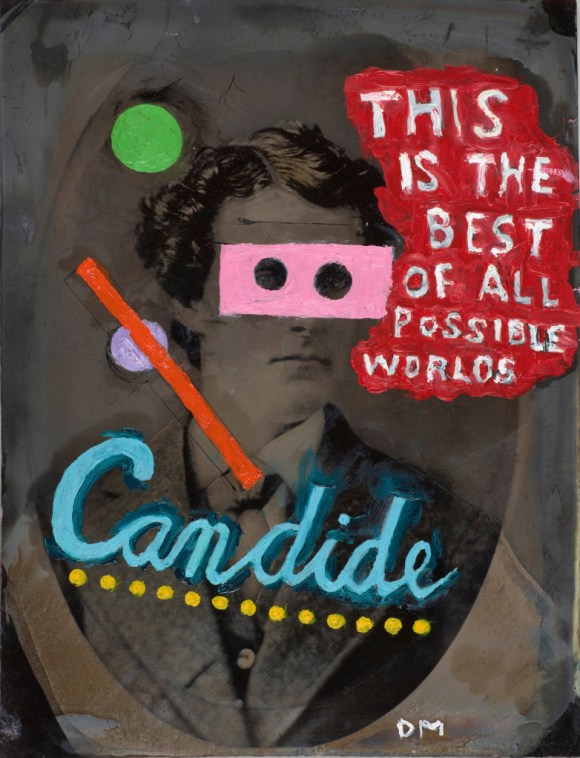
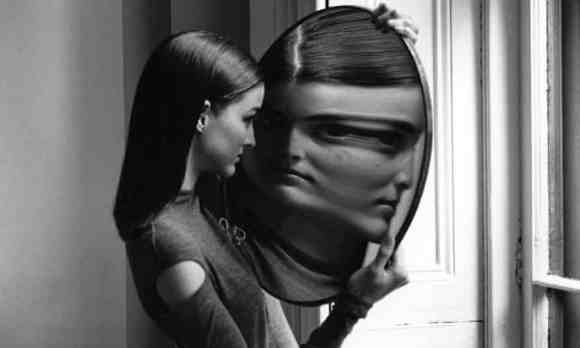
 “A Letter From My Father, 1960/1975” by Duane Michals (courtesy of the artist and Carnegie Museum of Art, Pittsburgh)
  Frame #3 of 3 from the series “Madame Schroedinger’s Cat, 1998” by Duane Michals (courtesy of the artist and Carnegie Museum of Art, Pittsburgh)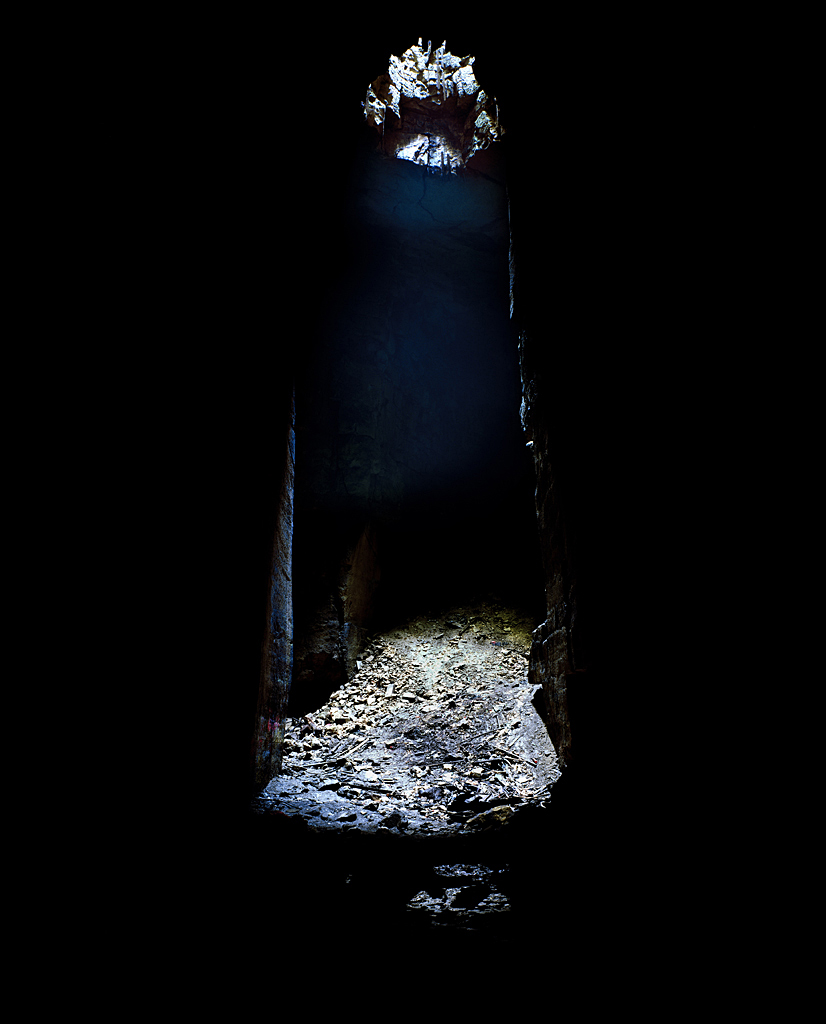

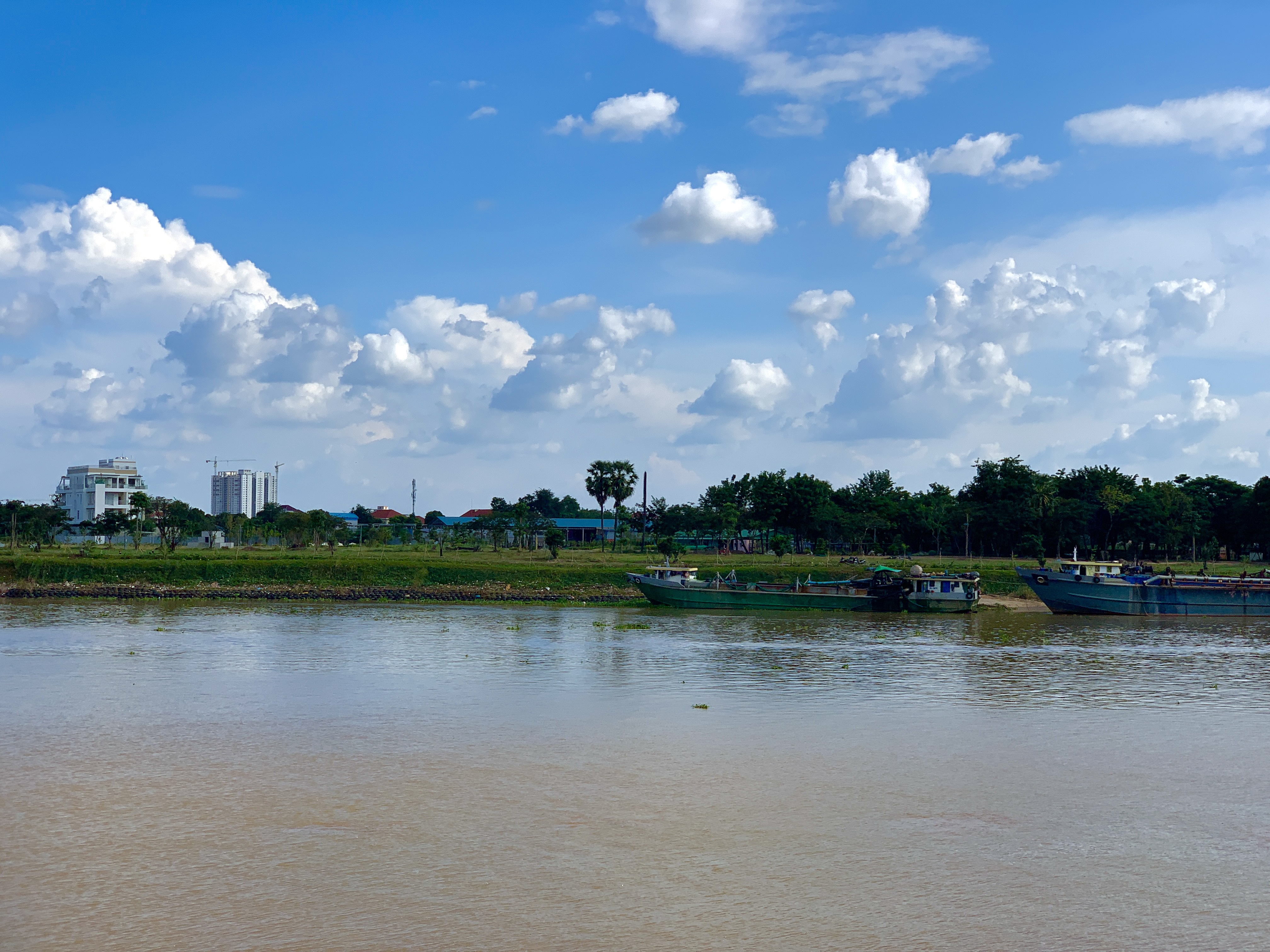
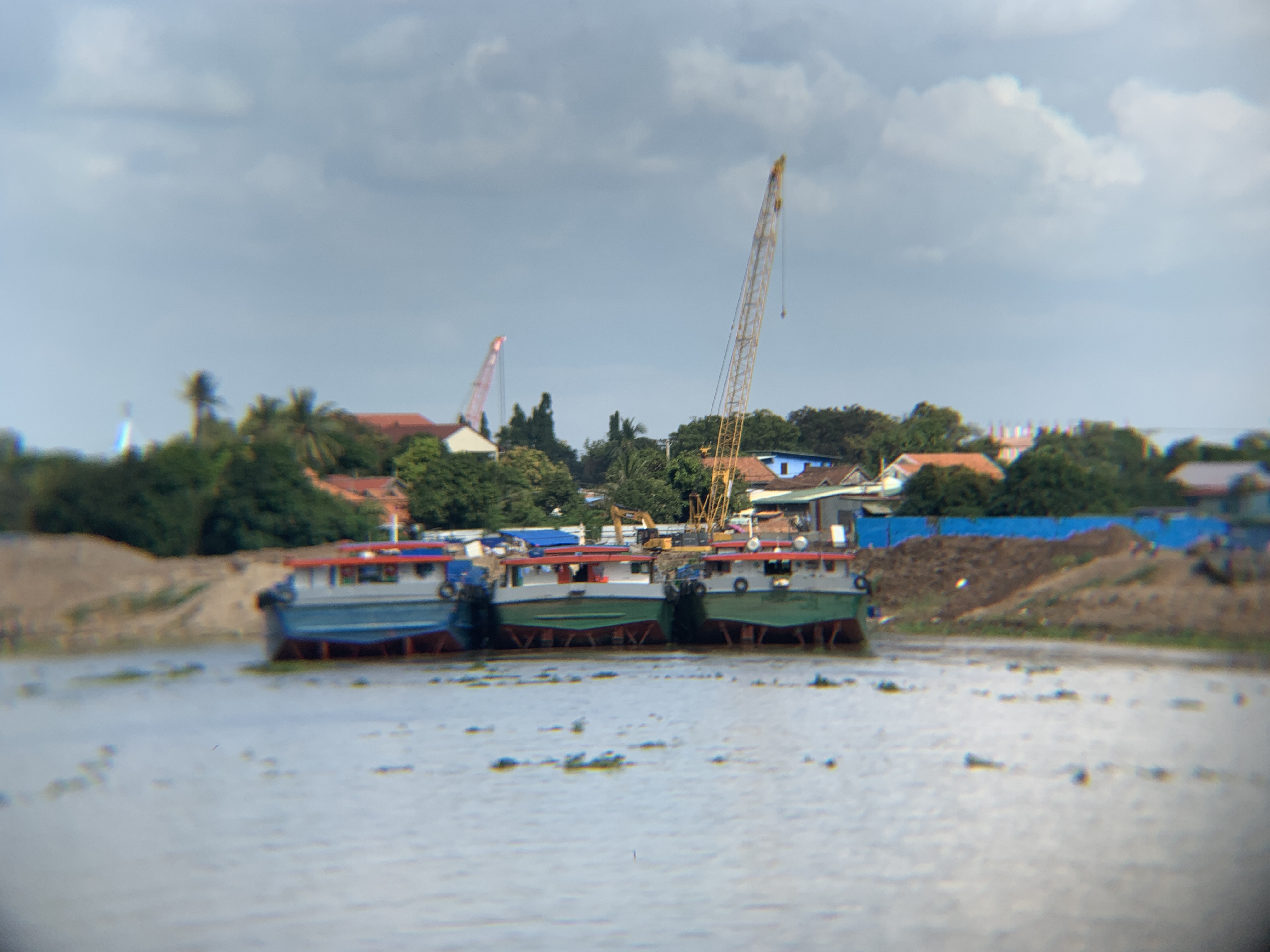
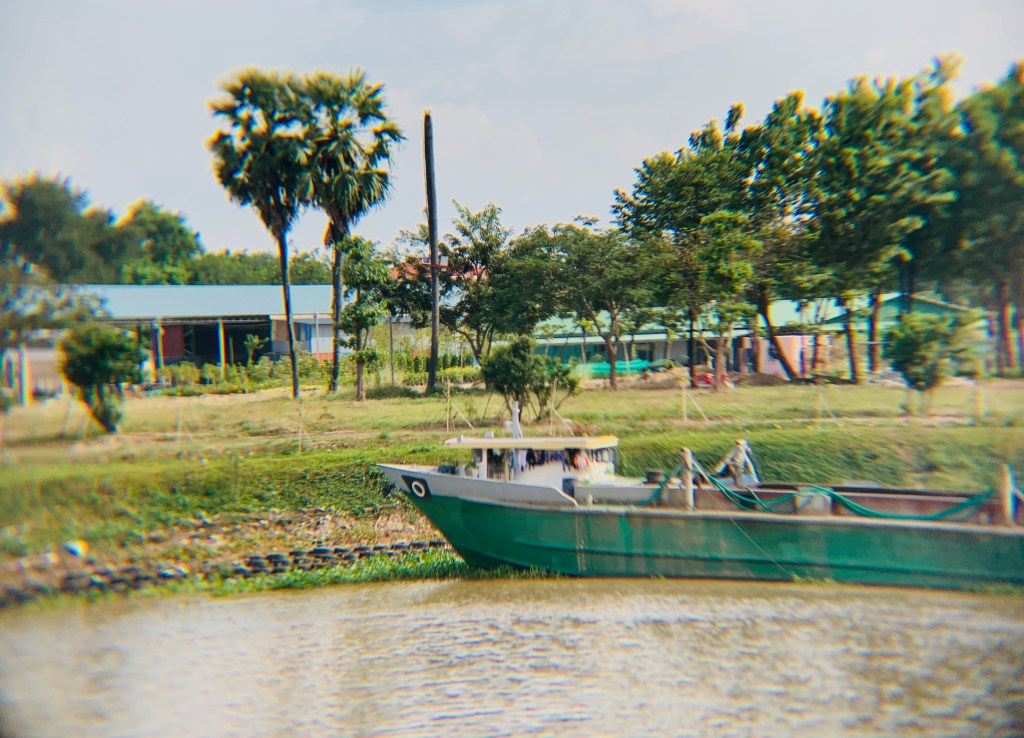
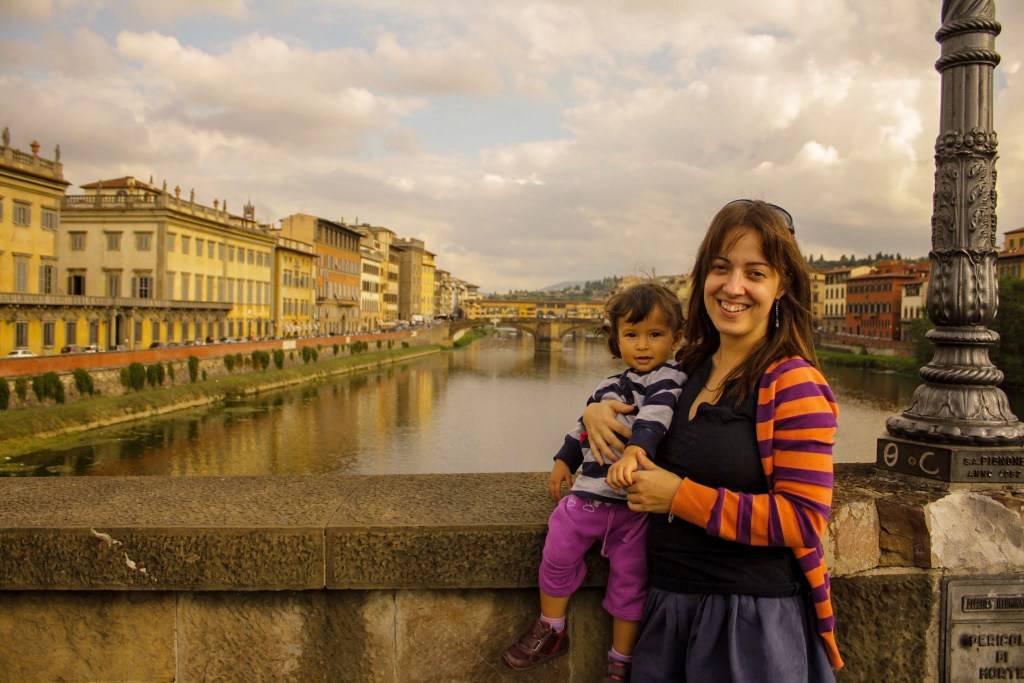
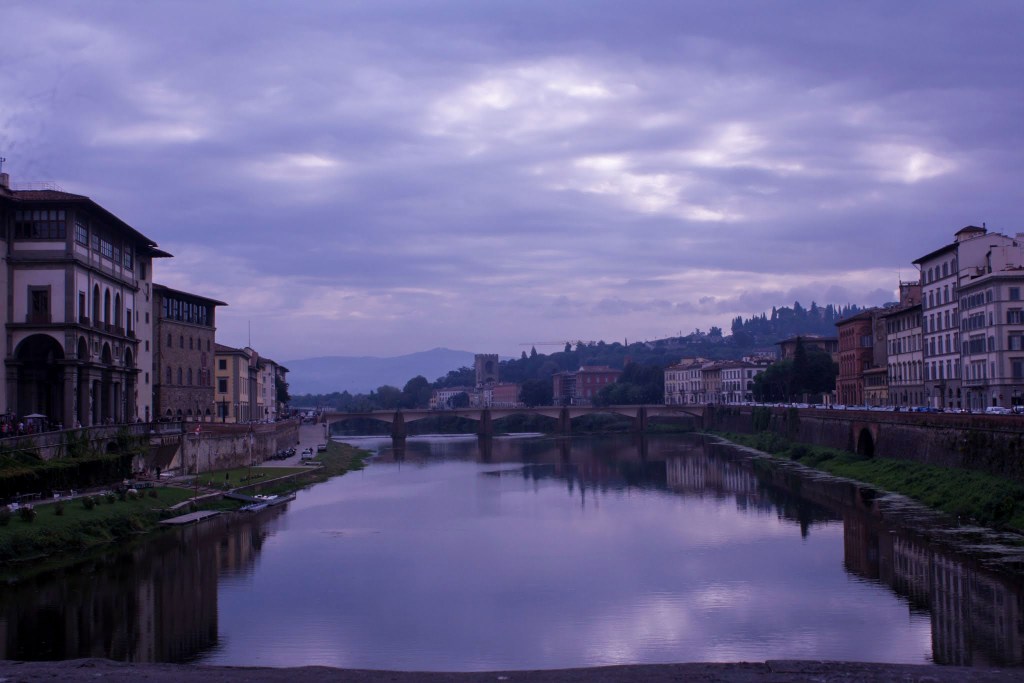
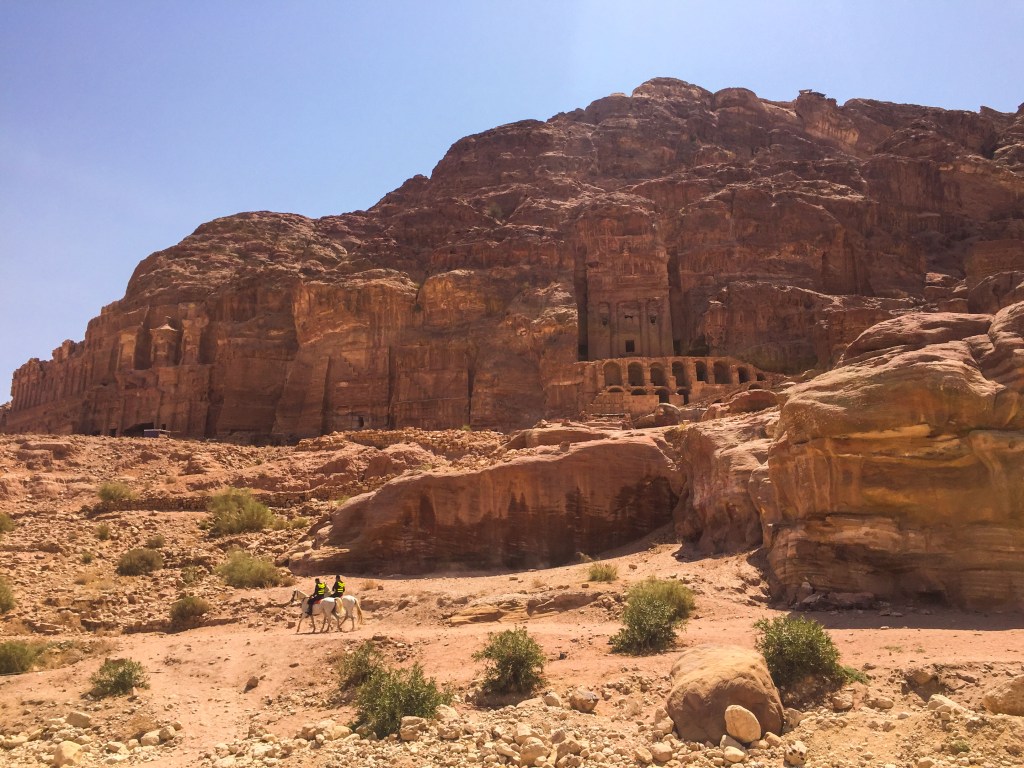
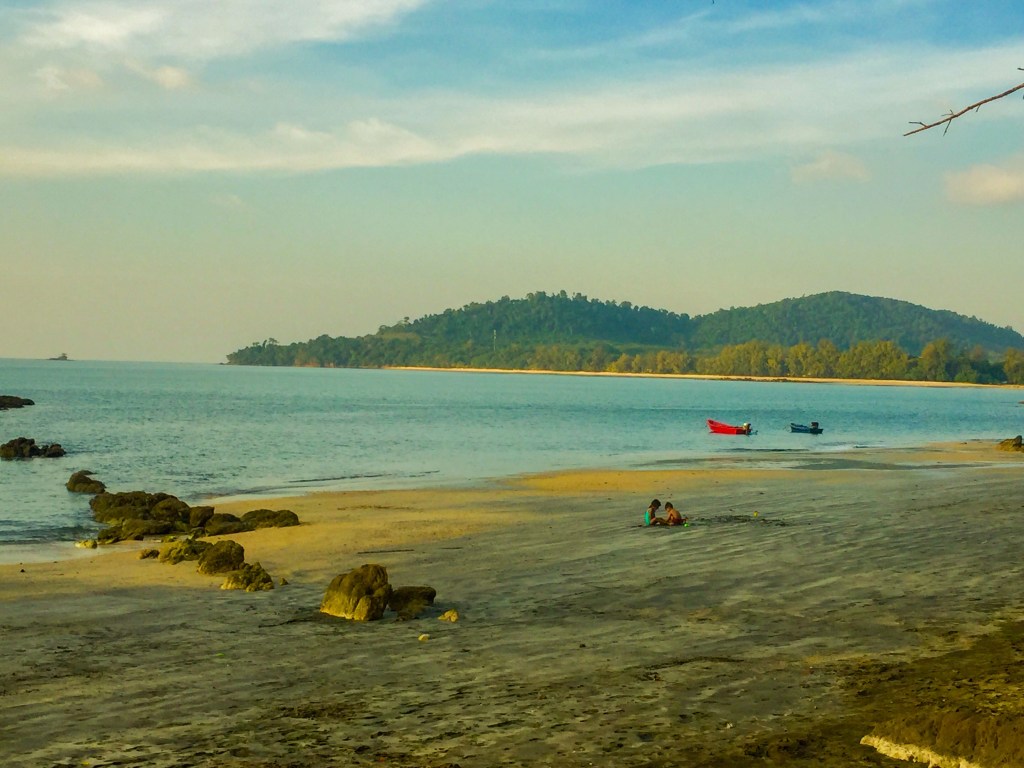


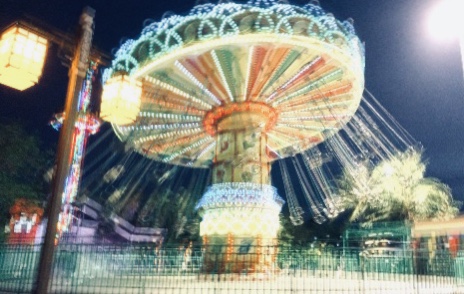
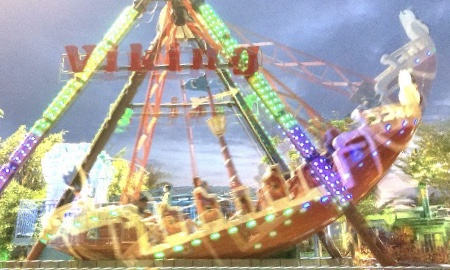
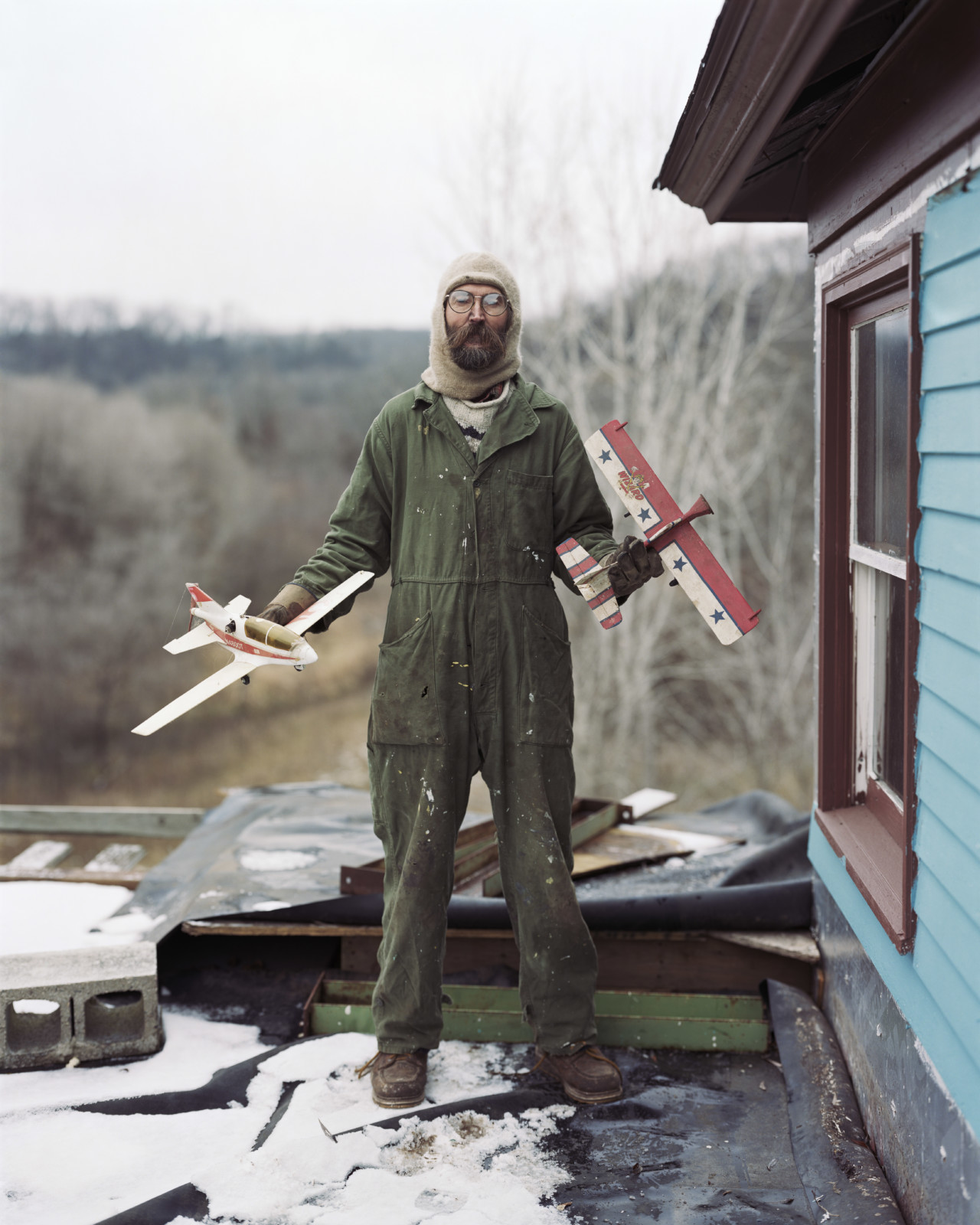

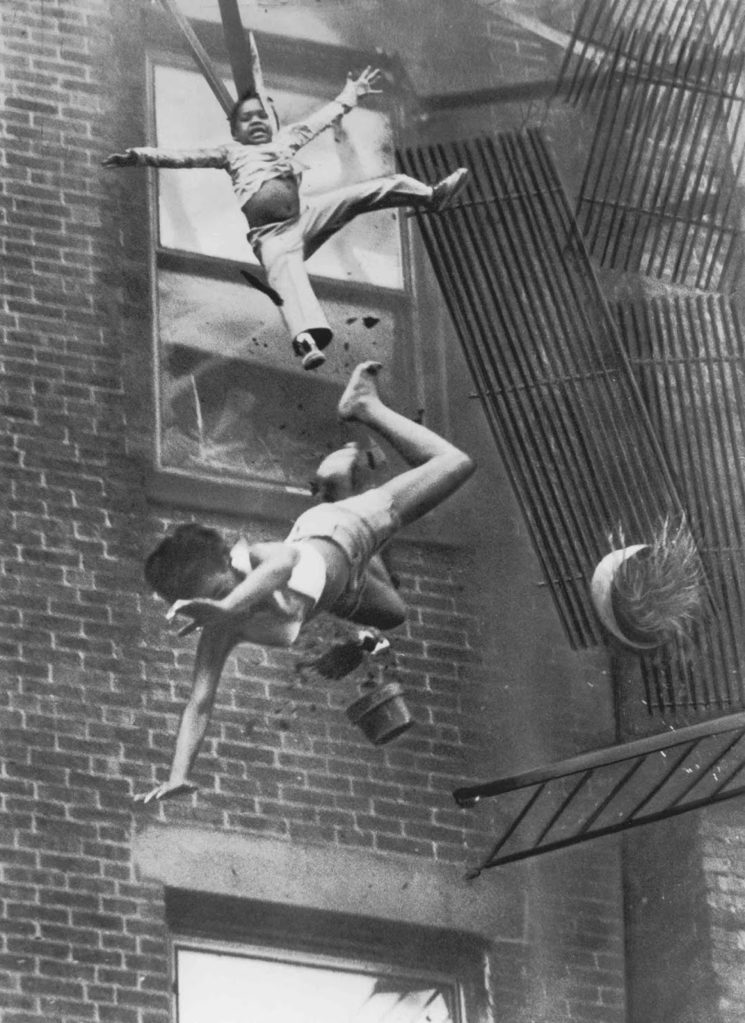

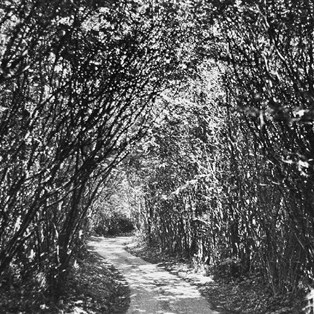
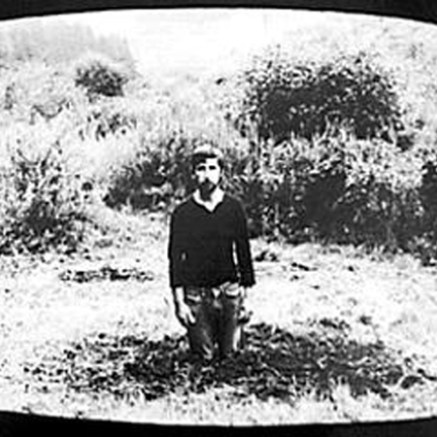
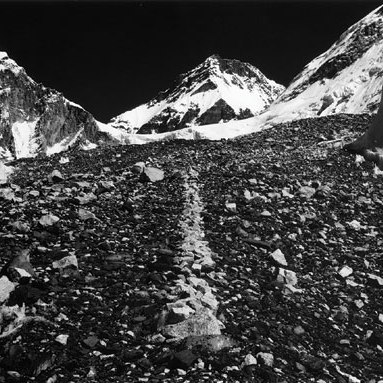
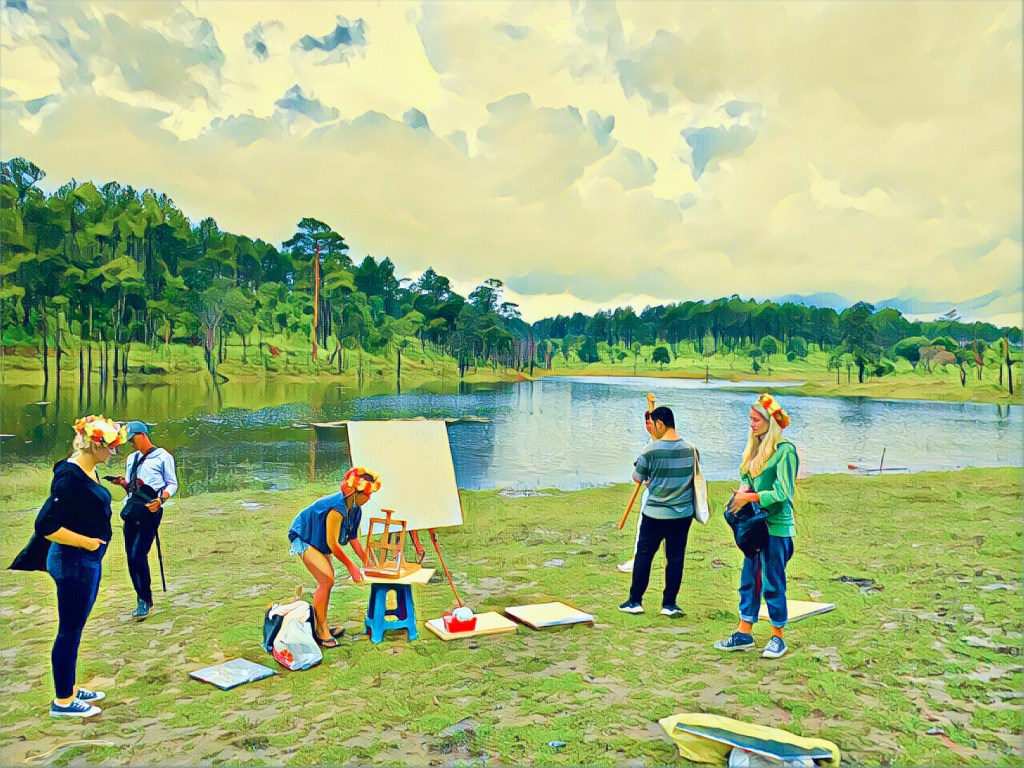


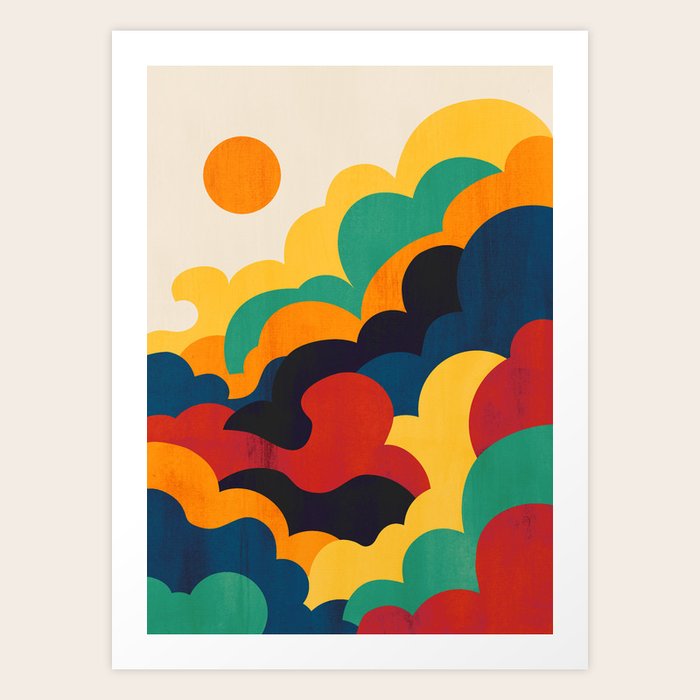


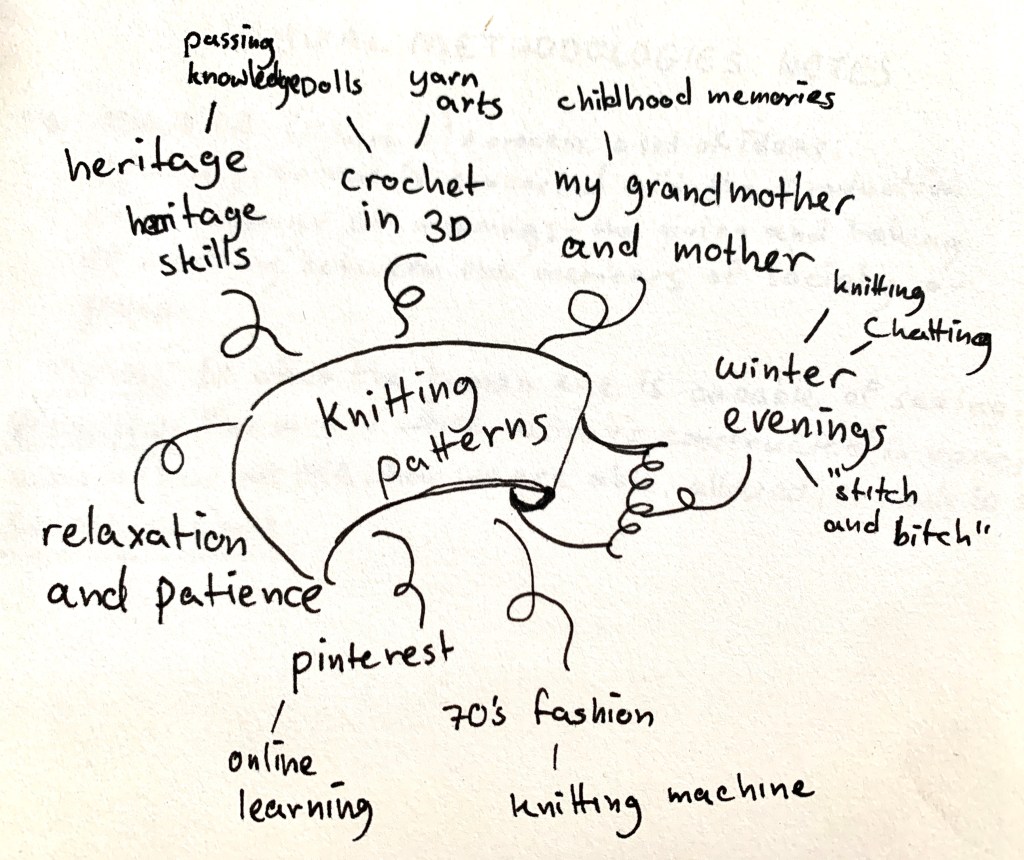
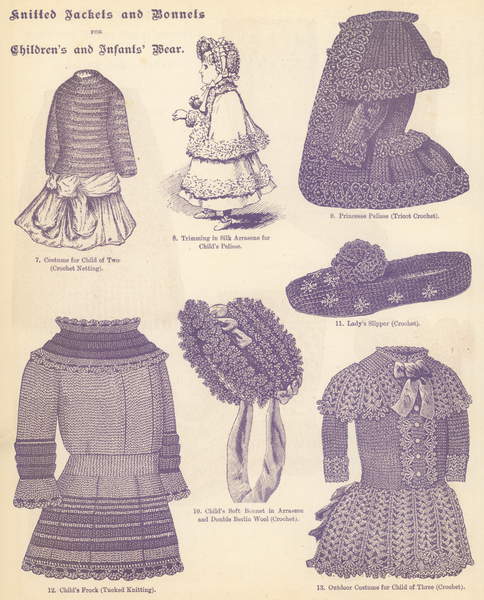
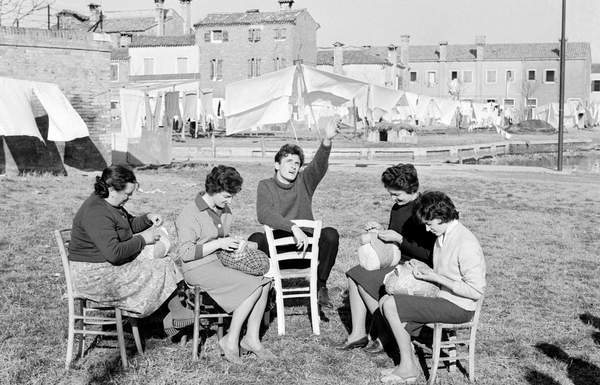
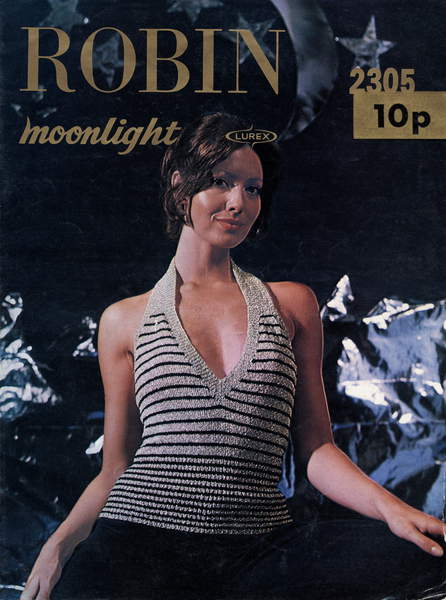
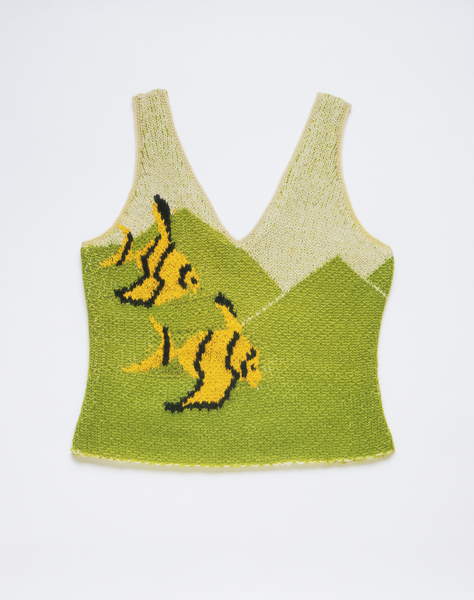








 Creative Arts Today