Categories
Uncategorized

Project 3: Reading visual communications

Semiotics Research point

Semiotics is the study of how signs are constructed and interpreted. It’s something you’ll come back to again and again as you pursue your studies in the creative arts.
Sign = Signifier + Signified
Essentially a sign is composed of a signifier – the form the sign takes – and the signified, the concept to which it refers or represents.

For example, a crown is a signifier of royalty, power or heritage (the signified). Signs operate within systems of other signs that give them value and meaning, so the crown might be seen in contrast to a baseball cap, bowler hat or other signs representing headwear and the relative status associated with them.

Silbury Hill Crop Circle, 23 July 1997

The image: In the photo indicated, I observe the geometric crop circle created by Rod Dickinson, along with Silberry Hill, a a 4700-year-old Neolithic site of both sacred mysticism as well as scientific interest.

I feel that the signifier in the photo is within the connection between these two human creations: the old, the new, the sacred and the lush green landscape – or place they stand upon.

My conclusion is that the crop circle in the field besides the sacred hill are the signifiers of English heritage, history & natural cycle of the land are signified. This makes the photo a sign of the continuity of harvesting, which represent a tradition or connection between the land and its people.

Research notes – The history and meaning of crop circles:

  • “Michael Dames has put forward a composite theory of seasonal rituals, in an attempt to explain the purpose of Silbury Hill and its associated sites: (West Kennet Long Barrow, the Avebury henge, The Sanctuary and Windmill Hill), from which the summit of Silbury Hill is visible”.
  • Crop circles of various geometric designs and sizes have been appearing overnight since the 1970s, mostly in the United Kingdom, but also across Europe, the USA and Australia. “Circles in the United Kingdom are not distributed randomly across the landscape but appear near roads, areas of medium to dense population and cultural heritage monuments, such as Stonehenge or Avebury”
  • The phenomenon was quickly adopted by fringe theorists as linked to paranormal events and extraterrestrial activity sightings for the circles are created to be viewed from the air, by aliens, or the gods perhaps.
  • The number of crop circles increased along with media coverage, conspiracy theories and public attention.
  • During the 1990s, creators such as Dave Chorley, from Winchester in Hampshire, and his friend Doug Bower, have come forward and confessed to have created mysterious crop circles over years as a public hoax. Today, crop circles are no longer a mainstream popular conspiracy theory, but are mainly considered to be a folk art form, like Chorley’s son quotes for a BBC interview: “Mandalas drawn on the world’s biggest Canvas”.
  • It was initially thought that crop circles shapes are too perfect to be man made, yet the perfectly straight lines that crop machinery leaves, can be used for geometrical alignment, resulting in perfect format.
  • Sacred geometric art designs are can be found across multiple religions and cultures: Mandala paintings and sand Mandalas in Hinduism and Buddhism, geometric decorative design and architecture in Islam. The Silbury Hill crop circle format is reminiscent to a star of David design, made of 2 overlapping triangles.
  • A full crop circle archive, showing details like the dates, location and pattern is available online. I noted that designs in the 70s began simple, becoming more complex as the craft developed. Some are ”wonky” or failed geometric attempts, while some involve popular, or meaningful signs for example: the extinction rebellion logo crop circle – it is even possible to order a custom crop circle through their website.

Research and reference links:

Silbury Hill 2021, Wikipedia [online], available at: https://en.wikipedia.org/wiki/Silbury_Hill, accessed 20/5/20

Glickman Michael, updated 2021, Crop circle center archive, available at: :https://www.cropcirclecenter.com/date/2020/202007.html accessed 20/5/20

Radford Benjamin 10/06/2017, The Crop Circle Mystery: A Closer Look, Live Science Contributor Article [online], available at: https://www.livescience.com/26540-crop-circles.html accessed 20/5/20

Marks Simon, Crop circle ‘inventor’s’ son talks about father’s legacy, [BBC film] available at: https://www.bbc.com/news/av/uk-england-hampshire-49608647 accessed 20/5/20

Crop circle 2021, Wikipedia [online], available at: https://en.wikipedia.org/wiki/Silbury_Hill, accessed 20/5/20

Exercise 1: What does this apple mean?

Research notes:
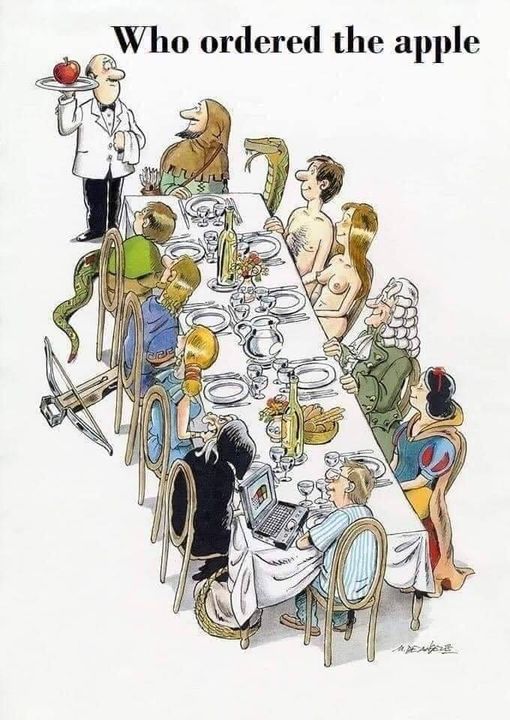
Marco de Angelis, “Who ordered the apple?” available on https://www.cartooningforpeace.org/en/dessinateurs/marco-de-angelis/ accessed accessed 22/5/2020

“Apples can be easily called a “double-faced” and eternal symbol. For many centuries, they have been representing both good and evil, passing through all the nuances of other meanings, depending on the era and the accepted world view.” (O. Karseko 2017)

The main problem of identifying the meaning of the word: ‘apple’ is that as late as the 17th century, the word “apple” was used as a generic term for all (foreign) fruit. In some languages, oranges are called “golden apples” or “Chinese apples”. Datura is called “thorn-apple”. When tomatoes were introduced into Europe, they were called “love apples”. Potatoes are called (lit “earth-apples”), in French, Dutch, Hebrew, Afrikaans, Persian and Swiss German.” “The classical Greek word μήλον (mēlon), or dialectal μᾶλον (mālon), now a loanword in English as melon, meant tree fruit in general, but was borrowed into Latin as mālum, meaning ‘apple’. The similarity of this word to Latin mălum, meaning ‘evil’, may also have influenced the apple’s becoming interpreted as the biblical “forbidden fruit” in the commonly used Latin translation called “Vulgate””. 

( Apple (symbolism) Wikipedia 2021)
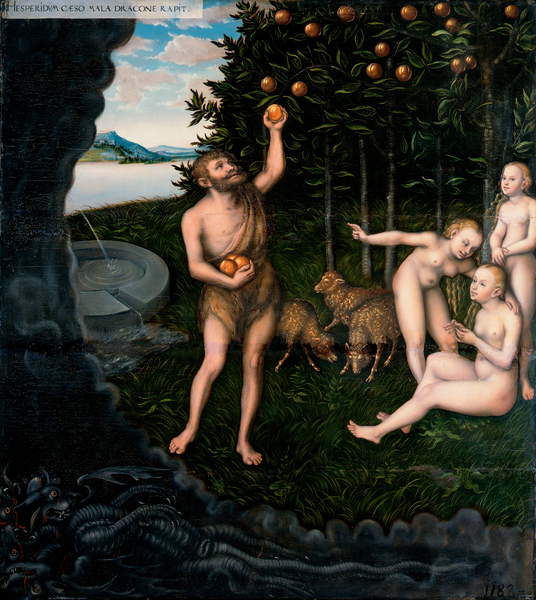
Hercules stealing the apples from the Hesperides (From The Labours of Hercules) – Cranach, Lucas, the Elder (1472-1553) – after 1537 – Oil on wood – 109,5×100 – Herzog Anton Ulrich Museum, Braunschweig
Cranach, Lucas, the Elder (1472-1553)
Location: Herzog Anton Ulrich Museum, Braunschweig, Germany, available at: https://www.bridgemaneducation.com/ accessed 22/5/2020

Through brief research, we learn that an apple “is a complex symbol, with a variety of meanings and incorporated in a variety of contexts.” (http://umich.edu symbolism project 2021) “Apples appear in many religious traditions: though the forbidden fruit in the Book of Genesis is not identified, popular Christian tradition holds that Adam and Eve ate an apple from the forbidden tree in the Garden of Eden. The unnamed fruit of Eden thus became an apple under the influence of the story of Hercules and the golden apples in the Garden of Hesperides, As a result, the apple became a symbol for knowledge, immortality, temptation, the fall of man and sin.” ( Apple (symbolism) Wikipedia 2021)

It can mean love, knowledge, wisdom, joy, death, and/or luxury. The apple could be an erotic / sensual association with a woman’s breast with the core sliced in half representing the vulva. The apple of the Garden of Eden, is the symbol of temptation, evil and of original sin. In secular terms, the apple functions as a symbol for the cosmos or totality, due to its nearly perfect spherical shape.”

Gertrude Jobes, Dictionary of Mythology, Folklore, and Symbols
 Screcrow Press, Inc., New York, 1962, Part I, pp. 112-114 [GR35.J6.v.1(IC)]

The perfect beauty, the witch and the apple:

In the images above: we see a similar, rosy apple as two opposing signs or symbols.

Top left image: Dante Gabriel Rossi, Venus Verticordia (1864-1868) available at: https://en.wikipedia.org/wiki/Dante_Gabriel_Rossetti accessed 22/5/2020
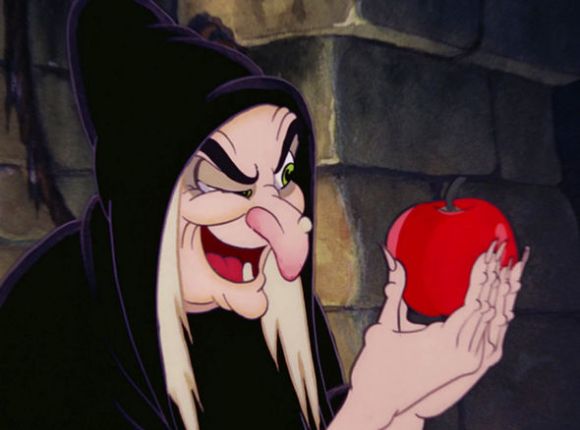
Top right image: Evil witch in hag disguise, Walt Disney, Snow White (1937 film), available at: https://youtu.be/cB7O_JIxGuY accessed 22/5/2020

Dante Rossi’s Venus Verticordia (1864-1868), meaning ‘Venus, Changer of the heart’. The apple along with roses and honeysuckles signify erotic context : irresistible beauty, sensuality, perfection and youth are signified. This image is a sign of female fertility, sexuality and love. The arrow signifies Cupid, or love. The golden halo The golden apple refers to Greek mythology, as the prize won by Venus (Aphrodite) in a beauty contest referred to as the Judgement of Paris. The color rose: the fruit, the flower, the lips, the cheeks and nipple, signifies fertilely. Venus’s golden halo represents someone pure and godly.

In the second images, the same rosy apple imagery is a sign of evil treachery and deceit. The old hag, or wicked queen signify jealous rage and envy as well as conspiracies to harm innocent. This connects to again to Christian folklore, in which the apple symbolizes a tool of delivering evil, sin or death. A connection might have been made due to the Latin word for ‘apple’ (“melum”) and ‘evil’ (“m?lum”) sounding similar. It is also the place to note early Christians saw the bulge in a man’s throat linked to the forbidden fruit stuck in Adam’s throat – hence in became, “Adam’s apple”.

Apple thieves, patriarchy and biblical misogyny:
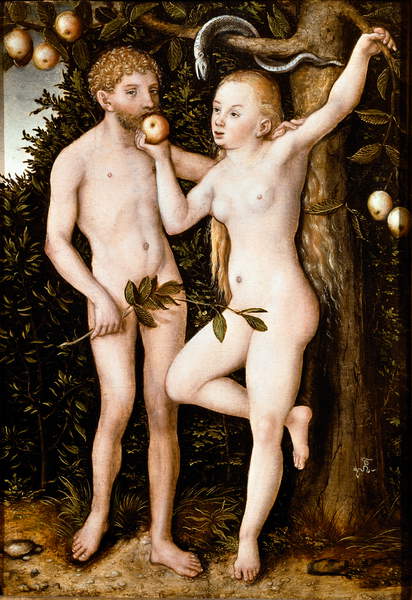
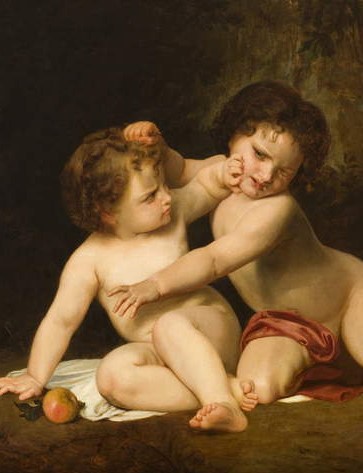
Comparing the stories of Hercules ( stealing the golden apple) to Biblical Eve (the forbidden fruit), both stories take place in a similar place which is a magical garden, or Eden. However, we find jarring asymmetry: Hercules is rewarded with immortality and wisdom and marked as a mythological hero, while poor Eve gets scolded by god, takes the blame and gets banished from Eden. Women are still seen responsible for men’s failure and seduction, a common blame shifting for man’s own temptation, possessiveness and inability to self regulate, especially in cultures who suppress and fear female sexuality. I have chosen to place two images together, in order to question and challenge the biblical misogyny against Eve while suggesting a more probable scenario. For in reality, it is generally men who are usually the cunning or aggressive.

In the first image, we see the classic, beautiful Eve tempting Adam and actually feeding him the forbidden fruit, as the serpent (signifier of evil and sin ) hangs overhead, whispering and guiding her. It is probably the most notable Judo-Christian sign of female association with evil and temptation. The woman and the fruit signify temptation and sexuality, or man’s inability to resist temptation.

The second image: War (The First Discord) isn’t directly connected to the biblical story, yet to me it seems to represent a far more realistic imagery of Adam and Eve, as two children in the garden of Eden, fighting over the apple. Adam isn’t innocent as the bible indicates, he’s perfectly aggressive and actually snatches the forbidden fruit for himself.

Godly expectation Vs Human imperfection

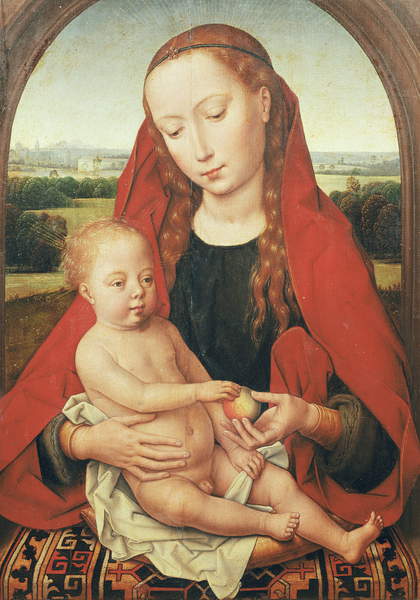
Apples are found in multiple depictions of mother Marie and baby Jesus. In this context, the mother, child and the apple signify wisdom and ultimate purity while and these paintings are signs of Devine or godly perfection.

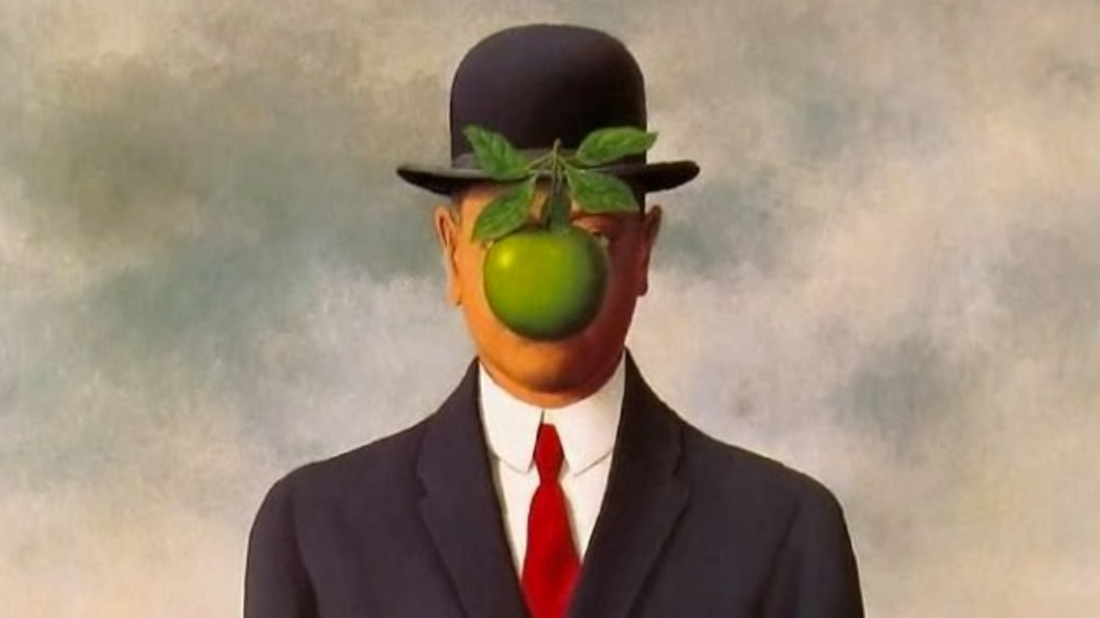
I chose “The son of man”, Magritte’s most famous painting, to answer “Virgin and Child”s impossibly high moral expectations with a sign of man’s perfect imperfection. The well dressed man, signifies human sophistication and achievements while the apple obscuring man’s vision signifies once again, eternal temptations or sin. The green color could signify money or greed. As the piece is assumed to be a self portrait, this may indicate self reflection or criticism.
Apple – design ingenuity turned corporate

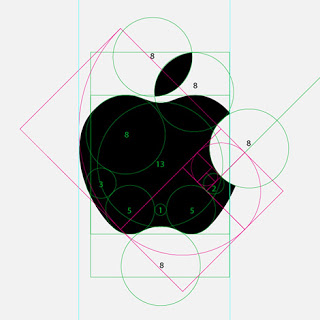
When thinking Apples signs, we must of course mention and discuss Apple and their famous bitten apple logo. The apple in the logo was meant evoke biblical mythology as a sign for wisdom, which included labeling the person who took the bite (Adam ? or potential clients?) as superiorly smart and efficient. This reflects well in the company’s early ad campaigns, which bluntly included “smart Apple” folks down talking “daft PC” folks. “The Apple logo symbolizes our use of their computers to obtain knowledge and, ideally, enlighten the human race)”.

The modern apple logo is additionally connected to apple as a sign of appealing visual beauty and functional perfection, this evokes the connotation of the sign “apple” with both Venus and immortality.  the “Golden ratio” was considered in creating Apple logo, as well as other apple icons, such as Icloud. 

I have chosen to include a third image: “Paradosso del capitalismo” or Paradise of Capitalism by illustrator Daniele Siviero. The image shows a thin child signifying starvation, while the apple logo signifies giant corporations and their uselessness when it comes to social equality issues, a sign of capitalist injustice.

Conclusion:

Apple semiotic research shows multiple, signs or symbols. The meaning changes according to to artwork type and setting, especial important is who is holding the apple. The following table summarizes common recurring symbolism.

Apple withCommon signified
manKnowledge, wisdom, temptation, sin
young womenTemptation, sin, lust, love, beauty, fertility
old womanEvil plotting, poverty, death
Baby or JesusPurity, perfection
Still life / vanitasPleasures of life, death
Modern design contextWisdom, superiority

Research reading and references:

Apple (symbolism) Wikipedia 2021, Available on: https://en.m.wikipedia.org/wiki/Apple_(symbolism) accessed 22/5/2020

Oksana Karseko 2017, ‘Apple symbolism in art, A healthy temptation‘, Encyclopedia Art [website], available on: https://arthive.com/encyclopedia accessed 22/5/2020

Peter Y. Chou 2009, Apple Symbolism, WisdomPortal.com [online] available on: http://www.wisdomportal.com/Poems2010/AppleSymbolism.html accessed 22/5/2020

Redding, Dan 25/01/2018, ‘What Does The Apple Logo Mean?’ Culture creature [online], available at: https://www.culturecreature.com/apple-logo-meaning accessed accessed 22/5/2020

The Son of Man, Wikipedia 2021, Available on : https://en.wikipedia.org/wiki/Venus_Verticordia_(painting) accessed 22/5/2020

Venus Verticordia (painting), Wikipedia 2021, Available on : https://en.wikipedia.org/wiki/Venus_Verticordia_(painting) accessed 22/5/2020

Denotation and connotation

Exercise 2: Join the Navy

Richard Fayerweather Babcock, Join the Navy, c.1917 (colour litho), Bridgeman Images accessed 26/5/2020

Denotation: I can see a man who seems young and fit. He’s wearing a navy uniform and cap. He’s riding a giant golden torpedo missile, splashing in the water while he’s holding whip and reins as if he was riding a toy horse. The slogan font is large, clear and spaced, the colors are red, blue and white, which associates with British or America flag colors.

Suggested connotation: It is clear the man seems to be enjoying himself. His appearance and facial expression is of a young boy having the time of his life during some kind of dangerous play. I can assume this is intended as a message to future recruits that boys have fun while being brave in the navy. The shape and size of the missile are unmistakably phallic, the splashes of water around it immediately associate with male pleasure and orgasm. I believe this couldn’t have been unintentional as it’s the most obvious element in the image and impossible to miss. This poster basically indicated a bluntly that there’s plenty of “action” in the navy. As we all know, sex had always been a corner stone in advertisement. Additionally, something about the man’s facial features and the way he fits his uniform perfectly, might have queer indication, but this is a rather subtle suggestion, not a direct message.

Ingrid Kesa, case study: L’Oreal paris 2019, ‘This Is An Ad For Men’​ [online article], available at:https://www.linkedin.com/pulse/case-study-ad-men-loreal-april-2019-ingrid-kesa, accessed 26/5/2020

Denotation: A dominantly red poster, four red lip sticks and a clear header saying: ‘This is an ad for men’. In the fine print, we find a message, informing ‘men’ of an average 15% increase in profitability found in businesses who had more female leadership. At the bottom of the image, we find the LÓreal logo, followed by reference to the research source.

Suggested connotation: The idea for the poster is similar to The color and elements of the image obviously signify the feminine, yet the meaning of the text is: ‘an ad for men’. This contradiction, creates a clever paradox that triggers curiosity and hooks potential viewers to read more and find that when women occupy 30% of management positions for instance profitability was found to increase by 15%.. Although the main message is indeed addressed to men, this poster is definitely has a more powerful sign or meaning for women, LÓreal’s traditional sales market – showing them the company invests in advertising women’s rights. This is not exactly charitable, as it aspires to creates a positive public image of the brand, which is likely to drive sales.
Categories
Uncategorized

Project 2: Combining visual elements

Exercise 1: Mixed messages

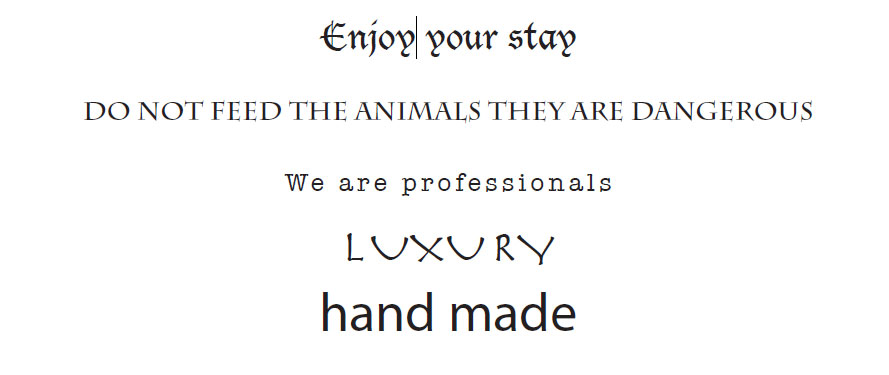
1.”Enjoy your stay” is a common phrase associated with hospitality. So the places we expect to view it is at hotels or other types overnight accomodation. The typography feels Gothic, therefore the overall effect evokes an image of a type of historic accommodation site like a castle, mansion or theme park. It also brings popular characters / movies into mind, such as Dracula, adams Family and the Rocky Horror picture show.

2. “Do not feed the animals they are dangerous” – The message is reminiscent of a zoo or safari park sign, a place where animals are generally displayed. Yet the typography has a somewhat mid evil style, which creates another historic effect similar to phrase no 1, this time the imagery that comes to mind is of magical beasts, dragons or some dangerous animals out of Harry Potter books.

3. “We are professionals” This is generally a common persuasive marketing statement, the fonts we would expect with this statement are usually visually attractive fonts that would associate with sleek and smart designs. The fact that a common, unnecessarily attractive font is used, makes the visual mind doubt the message or statement.

4. The word ”Luxury” along with particular typography reminds me of something Egyptian, or another ancient script. Especially due to the way the Us look. Although the word says luxury, I keep imagining it says “Luxor”, which has a really amusing effect. I’m also thinking about queen Cleopatra, a luxurious lady who might actually be placed in Luxor.

5. In this case: “Hand Made” has no special effect on the mind as the fond is extremely plain and common. It does not spark any curiosity to continue exploring or reading beyond the statement.

Exercise 2: Re-contextualising images

Research point

John Heartfield

Quick biography notes:

John Heartfield (born Helmut Herzfeld; 19 June 1891 – 26 April 1968) was a German visual artist who pioneered the use of art as a political weapon. Some of his most famous photomontages were anti-Nazi and anti-fascist statements.”

“He created book jackets for book authors, stage sets for contemporary playwrights,  In 1908, tudied art in Munich at the Royal Bavarian Arts and Crafts School. In 1917, Heartfield became a member of Berlin Club Dada.Heartfield would later become active in the Dada movement, helping to organise the Erste Internationale Dada-Messe (First International Dada Fair) in Berlin in 1920. Heartfield lived in Berlin until April 1933 when the Nazi Party took power. On Good Friday, the SS broke into his apartment, but he escaped by jumping from his balcony and hiding in a trash bin. He fled Germany by walking over the Sudeten Mountains to Czechoslovakia. He eventually rose to number five on the Gestapo’s most-wanted list. he was forced once again to flee from the Nazis, this time to England. He was interned as an enemy alien, and his health began to deteriorate. Afterward, he lived in Hampstead, London. His brother Wieland was refused a British residency permit in 1939 and instead left for the United States with his family. Postwar: He was interrogated and released having narrowly avoided a trial for treason, but was denied admission into the East German Akademie der Künste (Academy of the Arts). He was prohibited to work as an artist and was denied health benefits.”

John Heartfield, (7/3/21) Wikipedia, available on: https://en.wikipedia.org/wiki/John_Heartfield accessed 20/5/20

My impression: Heartfield achieved powerful visual messages and sacrificed his own freedom, fighting for his saying and ideology. His brave anti-Nazi protest visual statements are extremely honest, meaningful and memorable. Below are 3 works that I found especially meaningful:

Adolf Hitler: Hatred For Gold
By John J Heartfield, AIZ Magazine
July 17, 1932, Berlin, Germany

“’Adolf The Superman” is John Heartfield’s famous portrait of Adolf Hitler with his chest and belly full of gold from his financial backers. It is certainly one of the most famous political posters. Heartfield combined an actual photo of Hitler with an x-ray to create this unforgettable image of a politician spouting ugliness to help move his country toward a profitable war.”

Text and image available on: johnheartfield.com accessed 20/5/20
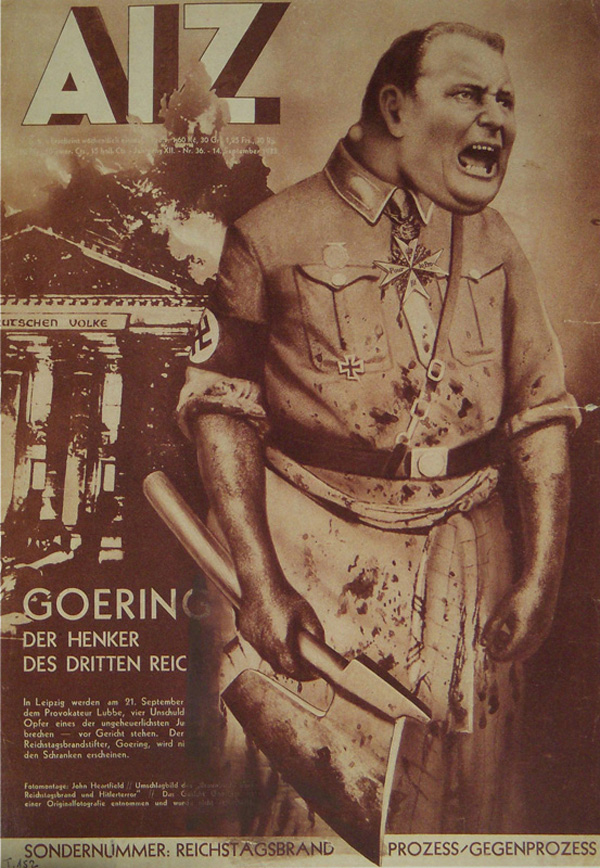
Goering: The Executioner of the Third Reich
By John J Heartfield, AIZ Magazine
September 14, 1933, Berlin, Germany

“John Heartfield was on the run from the SS when his portrait of Goering as the man truly responsible for the burning of the German Reichstag. Heartfield was number-five on the Gestapo’s Most Wanted List when the Nazis invaded Czechoslovakia. Heartfield’s famous political art commentary is a lesson as well as a masterpiece of political art.”

Text and image available on: johnheartfield.com accessed 20/5/20
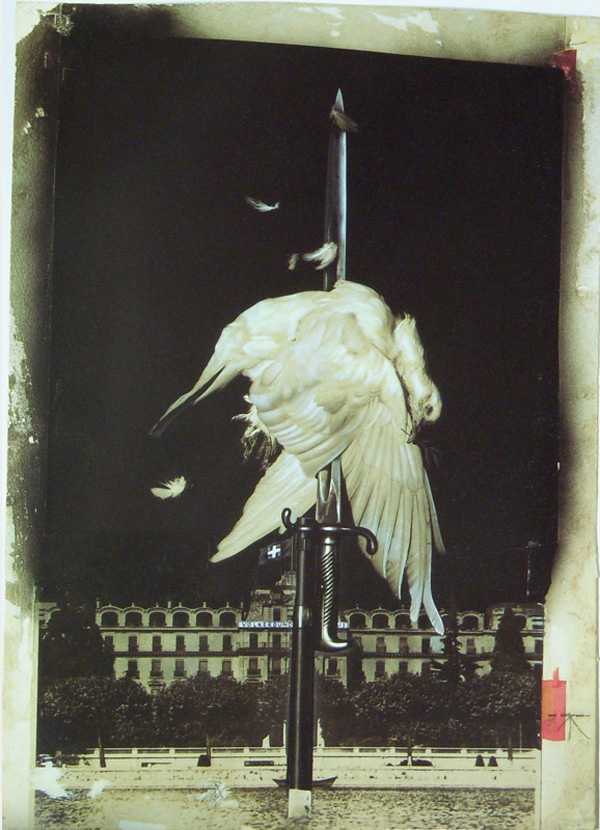
Never Again
By John J Heartfield, AIZ Magazine
November 27, 1932, Berlin, Germany

“Heartfield’s impaled dove of peace is universally regarded as a masterpiece of political imagery. It is certainly one of Heartfield’s most famous and dramatic political statements.
The collage (photo montage) of the dove of peace on a bayonet is shown before the League of Nations building. A swastika replaces the Swiss flag.
In religious terms, the dove may symbolize the Holy Spirit or the human soul. The dove with an olive branch in its mouth is a symbol of peace in the biblical story of Noah’s arc. Heartfield drew inspiration from his impressive memory of text and images.”

Text and image available on: johnheartfield.com accessed 20/5/20

Peter Kennard

Quick biography notes:

Peter Kennard (born 17 February 1949) is a London-born and based photomontage artist and Senior Research Reader in Photography, Art and the Public Domain at the Royal College of Art. Seeking to reflect his involvement in the anti-Vietnam War movement, he turned from painting to photomontage to better address his political views. He is best known for the images he created for the Campaign for Nuclear Disarmament (CND) in the 1970s–80s including a détournement of John Constable’s The Hay Wain called “Haywain with Cruise Missiles”.

Because many of the left-wing organisations and publications he used to work with have disappeared, Kennard has turned to using exhibitions, books and the internet for his work.

Kennard has work in the public collections of several major London museums and the Arts Council of England. He has his work displayed as part of Tate Britain’s permanent collection and is on public view as part of 2013’s rehang A Walk Through British Art.

Peter Kennard, (21/2/21) Wikipedia, available on: https://en.wikipedia.org/wiki/John_Heartfield accessed 20/5/20

Apartheid South Africa
Peter Kennard
1974

“Between 1973 and 1974 Kennard worked as the full-time photomontage artist for the Workers Press, the daily paper of the Socialist Labour League. He says: ‘The point of my work is to use easily recognisable iconic images, but to render them unacceptable… to show new possibilities emerging in the cracks and splintered fragments of the old reality.’ Apartheid South Africa was used to accompany an article in Workers Press on ‘The Iron Heel, British Investment in South Africa’.
Gallery label, September 2018


Text and image available on https://www.tate.org.uk accessed 20/5/20
Protect and Survive
Peter Kennard
19
80

“Photomontage Posters on Civil Defence in London (based on Haywain with Cruise Missiles) (1985) All four of these images were produced by Peter Kennard, a British artist whose work has become synonymous with political protest. Kennard began to use the technique of photomontage when involved in anti-Vietnam War activities. It became his signature style, which he has used to produce some of the iconic images of modern anti-nuclear and anti-war protest. Protest and Survive
Text and image available on: https://www.iwm.org.uk, accessed 20/5/20
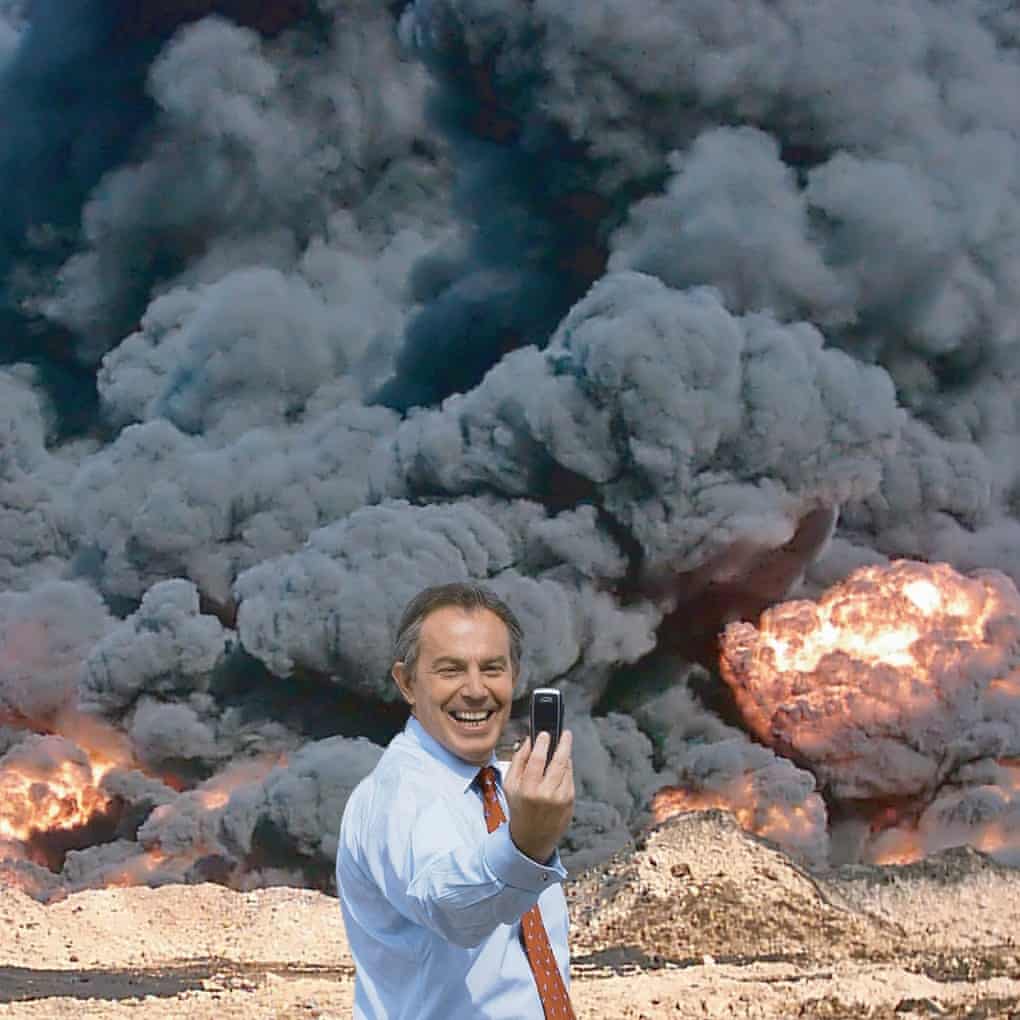
Photo-Op
Peter Kennard
2010


“Tony Blair grins for his photograph as he holds up his smartphone to take a selfie. He’s delighted with himself and what he’s done. Behind him, black smoke and hellish flames bloom over an arid landscape. To many people, this grotesquely comic moment says it all – only Blair would think that’s a good photo opportunity.
Photo Op, as their photomontage is called, has become the definitive work of art about the war that started with the invasion of Iraq in 2003. Ten years on from that war’s beginning, this manic digital collage states succinctly what a large number people feel and believe about Blair’s responsibility for the chaos that ensued.”

Text and image available on:
https://www.theguardian.com/ accessed 20/5/20

Hannah Höch

Quick biography notes:

“Hannah Höch (German: [hœç]; 1 November 1889 – 31 May 1978) was a German Dada artist. She is best known for her work of the Weimar period, when she was one of the originators of photomontage. Photomontage, or fotomontage, is a type of collage in which the pasted items are actual photographs, or photographic reproductions pulled from the press and other widely produced media.

The influence of this early work and training can be seen in a number of her collages made in the late 1910s and early- to mid-1920s in which she incorporated sewing patterns and needlework designs.

Höch spent the years of the Third Reich in Berlin, Germany, keeping a low profile. She was the last member of the Berlin Dada group to remain in Germany during this period. She bought and lived in a small garden house in Berlin-Heiligensee, a remote area on the outskirts of Berlin.  She suffered from the Nazi censorship of art, and her work was deemed “degenerate art”, which made it even more difficult for her to show her works

“Höch’s photomontages display the chaos and combustion of Berlin’s visual culture from a particularly female perspective” (Makholm). “Höch was not only a rare female practicing prominently in the arts in the early part of the twentieth century—near unique as a female active in the Dada movement that coalesced in her time—she also consciously promoted the idea of women working creatively more generally in society. She explicitly addressed in her pioneering artwork in the form of photomontage the issue of gender and the figure of woman in modern society” (The Art Story). “

Hannah Höch , (21/2/21) Wikipedia, available on: https://en.wikipedia.org/wiki/Hannah_H%C3%B6ch accessed 20/5/20 accessed 22/5/20

My impression: Höch‘s collages are full of visual drama and personal expression, each detail in her work has a subtext, forming a window into her mind, ideas and views on the art world, the role of women and society.

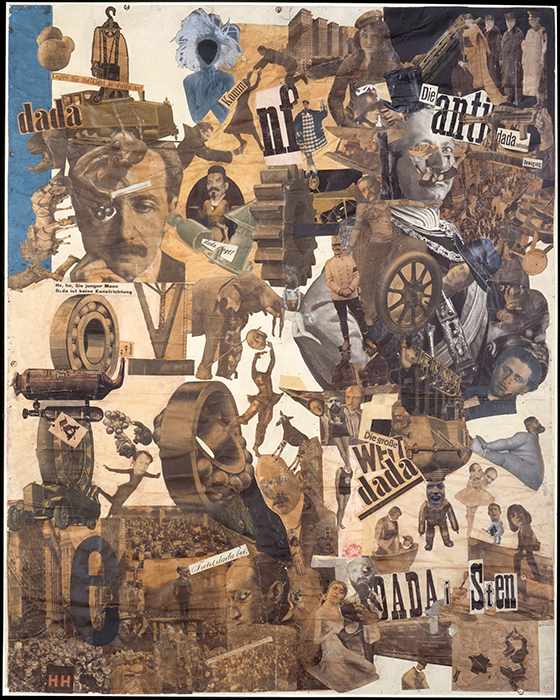
“Cut with the Kitchen Knife Dada Through the Last Weimar Beer-Belly Cultural Epoch of Germany
Hannah Höch
collage, mixed media, 1919–1920

If we look closely at the cacophony of seemingly random images that make up Hannah Höch’s large-scale photomontage, a cross-section of Weimar Germany’s cultural and political milieu comes into focus. Here, the “Kitchen Knife Dada”—a metaphor for Höch’s careful slicing and dicing—cuts a swath from lower right to upper left, separating Dada and “anti-dada” elements. “

Text and image available on: https://www.khanacademy.org accessed 21/5/20
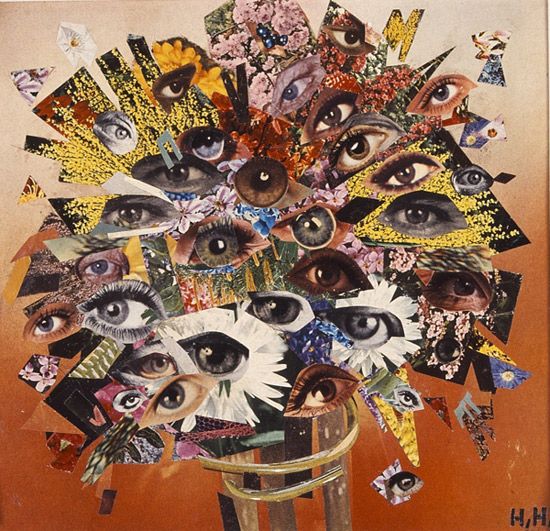
Bouquet of eyes
Hannah Höch
collage, mixed media, 1930


“In the collage you can see a number of eyes, arranged in such a manner to look like a bouquet of flowers, this is the main subject of the collage. The orange background colour portrays a relaxing mood, however this sense of ease is destroyed by the fact that all the eyes seem to be starring straight at the viewer all the time, as the eyes in the bouquet are focusing in all different directions, meaning you can not escape their gaze. This collage is said to engage with the ideas and themes of feminism and sexism in her work, as the eyes with the eye lid included are very recognizable as male or female.”

Text and image available on http://thisisallart.blogspot.com/2015/04/hannah-hoch.html accessed 21/5/20
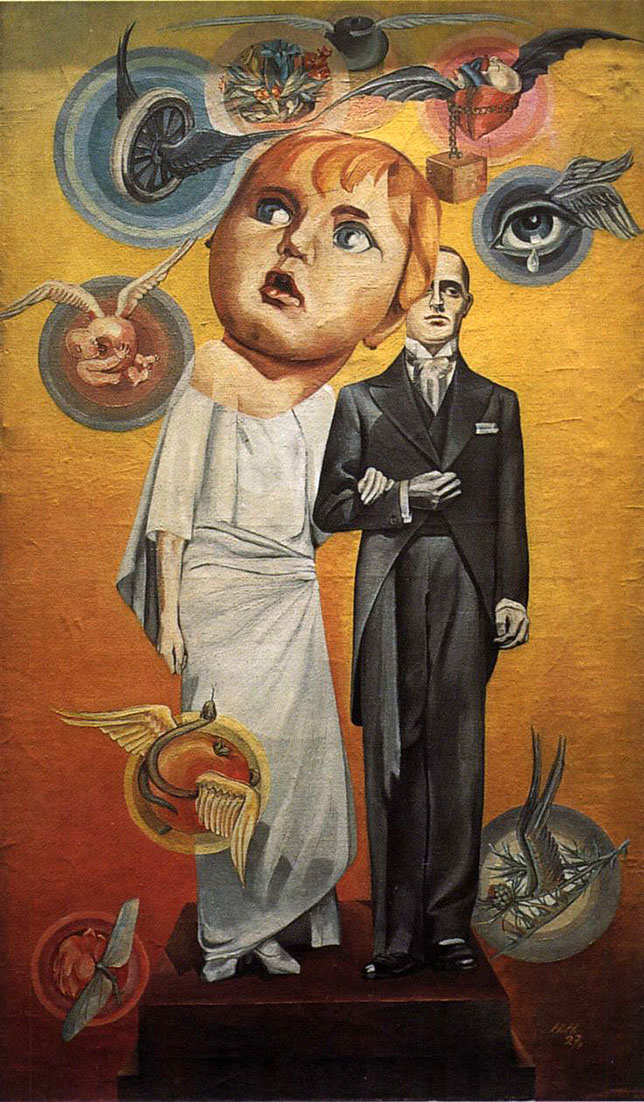
Die Braut  (The Bride)
Hannah Höch
collage, mixed media, 1927


“It features a wide-eyed child looking for all the world like an innocent lamb to the slaughter. Anxiously anticipating her new role as mate to her wooden, unresponsive husband, she looks with apprehension at the symbols of maternity and fidelity that float around her. The two figures are standing on a raised platform, like a mount onto which a statuette might be fixed, making them look like an adornment on a wedding cake. The couple look artificial and entirely representational of a stereotypical symbol of marriage rather than a real married couple.”

Text and image available on: text and image : medium.com accessed 21/5/20

Martha Rosler

Martha Rosler works in video, photography, text, installation, and performance. Her work focuses on the public sphere, exploring issues from everyday life and the media to architecture and the built environment, especially as they affect women.

Rosler has for many years produced works on war and the national security climate, connecting life at home with the conduct of war abroad, in which her photomontage series played a critical part. She has also published several books of photographs, texts, and commentary on public space, ranging from airports and roads to housing and gentrification.

A retrospective of her work has been shown internationally, and her writing is published widely in publications such as Artforume-flux journal, and Texte zur Kunst.

In 2012, she presented a new series of photographs, taken during her trip to Cuba in January 1981, and in November, she presented the Meta-Monumental Garage Sale at MoMA in New York. In 2013, her book of essays, Culture Class, which deals with the role of artists in cities and gentrification, was published by e-flux and Sternberg Press. Most recently, she produced the exhibition and public project Guide for the Perplexed: How to Succeed in the New Poland at the CCA Ujazdowski Castle in Warsaw, Poland.

Rosler lives and works in Brooklyn.

Martha Rosler: I use more digital imagery than I used to, and I am more likely to orchestrate events with a number of participants, but those are largely technical issues, I think. Otherwise, I am not sure the basic impulses of my work have changed much. My audience has no doubt broadened as the art audience has expanded and internationalized, as time has passed, and as the internet has become the primary means of disseminating imagery and commentary. In the case of anti-war photomontages, I have consciously chosen, in effect, to quote my own method of work from forty years previously in order to create a meta-level commentary about the failure of our political class to learn anything from history. Today, we have new wars of choice that are being waged with the old mindset, so I chose to use the same mode of address: the photomontage.”

Bree Hughes, (07/19/2013) , Q & A with Artist Martha Rosler, Artnet news (online art magazine), available on: https://news.artnet.com/art-world/q-amp-a-with-artist-martha-rosler-49391, accessed 22/5/20

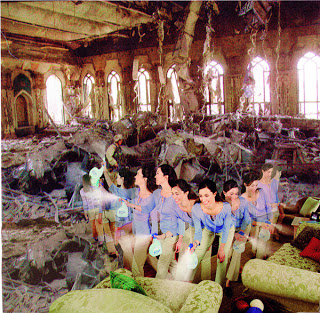
Saddam’s Palace
Martha Rosler
2008

“This is a masterfully put together photo montage of a middle-aged woman cleaning her couches and a soldier wandering in a destroyed building. The exposure is perfect and the motion is very fun to observe.  Martha Rosler’s technique at capturing individual detail in the background as well as the foreground is admirable, because it’s hard to tell whether the subject should look at the battleground or the woman cleaning.  This unusual combination of wartime chaos and domestic tranquility are completely incompatible with each other. For example, the soldier and woman are so engrossed in their own world they don’t notice the other world exists.  And the aesthetic surroundings of the sitting room completely clash with the ugly war-torn scene. This photograph is too politically minded for me to consider it a masterpiece, but this photo is still very eye-clashing.”

Text and image available on: http://jegelskerscandinavia.blogspot.com/ accessed 21/5/20
Bringing the War Home
Martha Rosler
2008

“The photos are collages, taking war-photographs from Vietnam, Iraq, and Afghanistan, and combining them with pictures from home and architectural magazines. Rosler has gone to state that she was trying to “show that the ‘here and ‘there’ of our world picture, defined by our naturalized accounts as separate or even opposite, were one”. The clash of these beautiful, ideal, home interiors against the often violent imagery from war creates a striking image. By collaging these images together, Rosler takes the conflict and places it directly in our domestic environment, making it impossible to ignore.”

Text and image available on:
https://justineelkhazen.wordpress.com accessed 21/5/20
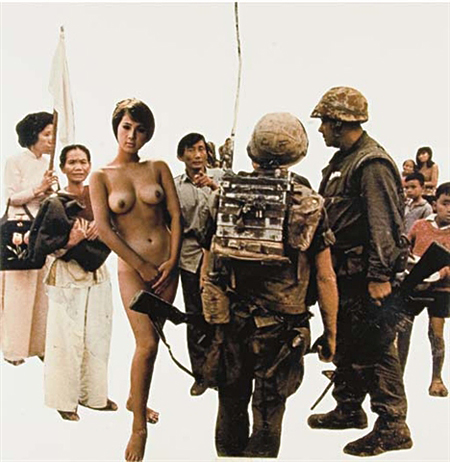
Playboy (On View) from Bringing the War Home: House Beautiful
Martha Rosler
1967-72

“Rosler conceived Bringing the War Home during a time of increased intervention in Vietnam by the United States military. Splicing together pictures of Vietnamese citizens maimed in the war, published in Life magazine, with images of the homes of affluent Americans culled from the pages of House Beautiful, Rosler made literal the description of the conflict as the “living-room war,” so called in the USA because the news of ongoing carnage in Southeast Asia filtered into tranquil American homes through television reports. By urging viewers to reconsider the “here” and “there” of the world picture, these activist photomontages reveal the extent to which a collective experience of war is shaped by media images..”

Text and image available on:
https://www.moma.org accessed 21/5/20

My own attempt of political collage

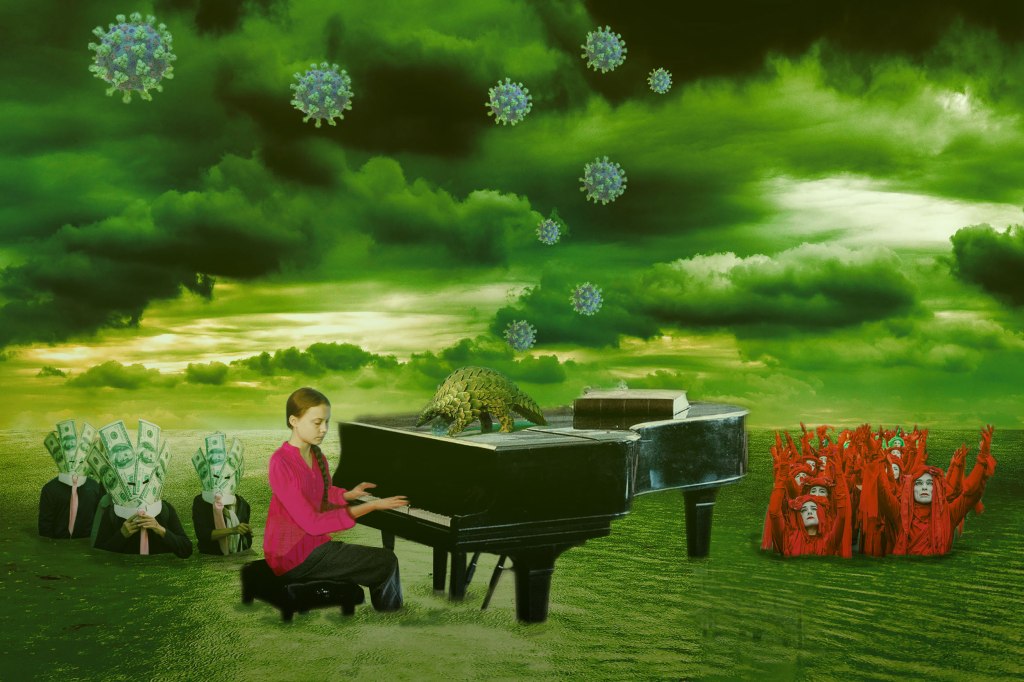
Sheery Dancona, 2020 melancholy, digital Collage

Whiling researching artists for this exercise, I enjoyed observing the use of combined imagery for expressing political ideas, protests and commentary. I though of trying a similar idea. For the collage attempt exercise, I collected and combined popular news images and visual elements from 2019 – 2020.

The final result, is an image which indicates my own visual protest, my own vision connecting between the events of 2019 with 2020.

The scene is dark and an apocalyptic gloom is amplified through shades of emerald.

Greta symbolizes the future, the performer and prophet, the grand piano represents the music, sound or voice. In the image created, she is playing the piano but she’s no longer speaking as she is tired of the deaf ears and public mockery. All she can do now is silently play her tune.

A pangolin sits upon the piano – it’s listening to the music as Covid-19 viruses, form like bubbles and float into space. This symbolizes the link between our actions and the 2020 pandemic, originating in wildlife and habitats we have destroyed as a species.

The audience of the symphony is made of two separate spectator groups. First are the Extinction Rebellion red women, reaching out or calling onto the skies. The women are visually connected to Greta, the vivid red bonds them and portrays femininity, wisdom and hope. Just like her, their message is not heard at the moment, they are sinking.

The second group are “money masked” businessmen from the ”Reclaim Wall street” protests, representing human greed and the blindness of capitalism.

Everyone is wading in a flood of rising water, yet all seem oblivious to the danger. This symbolizes human leadership’s inaction towards the risks arising from global warming and over consumption. They are aware of danger, yet intentionally ignore the problem.

Exercise 3: Film posters

Metropholis, 1927 film poster

For this exercise, I have chosen a film which was one of the most influential science fiction productions ever made: Metropolis. The film’s breakthrough futuristic art and visuals that were revolutionary at the time have, and are still inspiring science fiction films today. The movie featured a glimpse into life as a future society as well as a social commentary on equality and social justice.

The film poster is very appealing, created in a notable Art Deco graphic style, beautiful and everything had clearly been hand drawn. Like the film of it’s time, it is black and white. The design includes many angled elements, including the lettering, which make an effort to look modern and futuristic. We see the same design style within many of the famous movie sets and scenes. The center includes a portrait of the humanoid robot, with empty eyes starring forward into space, we see the tall, busy and lit metropolis standing in the background. The logo of UFA GmbH studio, shortened to UFA appears twice on both bottom corners.

The poster itself is considered an important piece of modern Art Deco and futurism: ”This is the first model of arguably the most beautiful poster ever designed, by German graphic artist Heinz Schulz-Neudamm. The domestic German three-sheet for Fritz Lang’s silent masterpiece Metropolis from 1927.” Existing poster copies are now prized, fetching record prices of $850,000.

Quotes and image: Jose Juan Barba (16/01/2017) Metropolis The Most Expensive Movie Posten, Metalocus article (online) available on: https://www.metalocus.es/en/news/metropolis-most-expensive-movie-poster, accessed 22/5/20

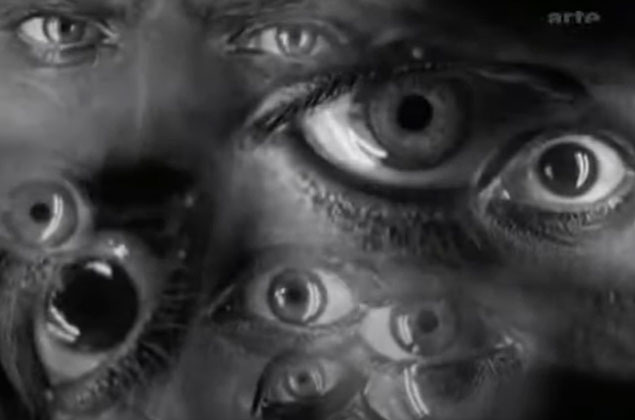
While researching ‘Metropholis’ I found an interesting connection between specific film frames in the famous dance scenes: an array of starring eyes and Bouquet of eyes by Hannah Höch. The location of both artworks is Berlin, Metropolis was released in1927, while Bouquet of eyes by Hannah Höch in 1930. It’s a possibility that the sensational film was the inspiration for her specific artwork?

The staring eyes from metropolis and “Bouquet of Eyes” by Hannah Hogh

Frame from ‘Metropolis’ (movie), available on: https://www.youtube.com/watch?v=SArNZEcQWH4 accessed 22/5/20

Hannah Höch (1930), ‘Bouquet of eyes’
collage, mixed media,
image available on http://thisisallart.blogspot.com/2015/04/hannah-hoch.html accessed 22/5/20

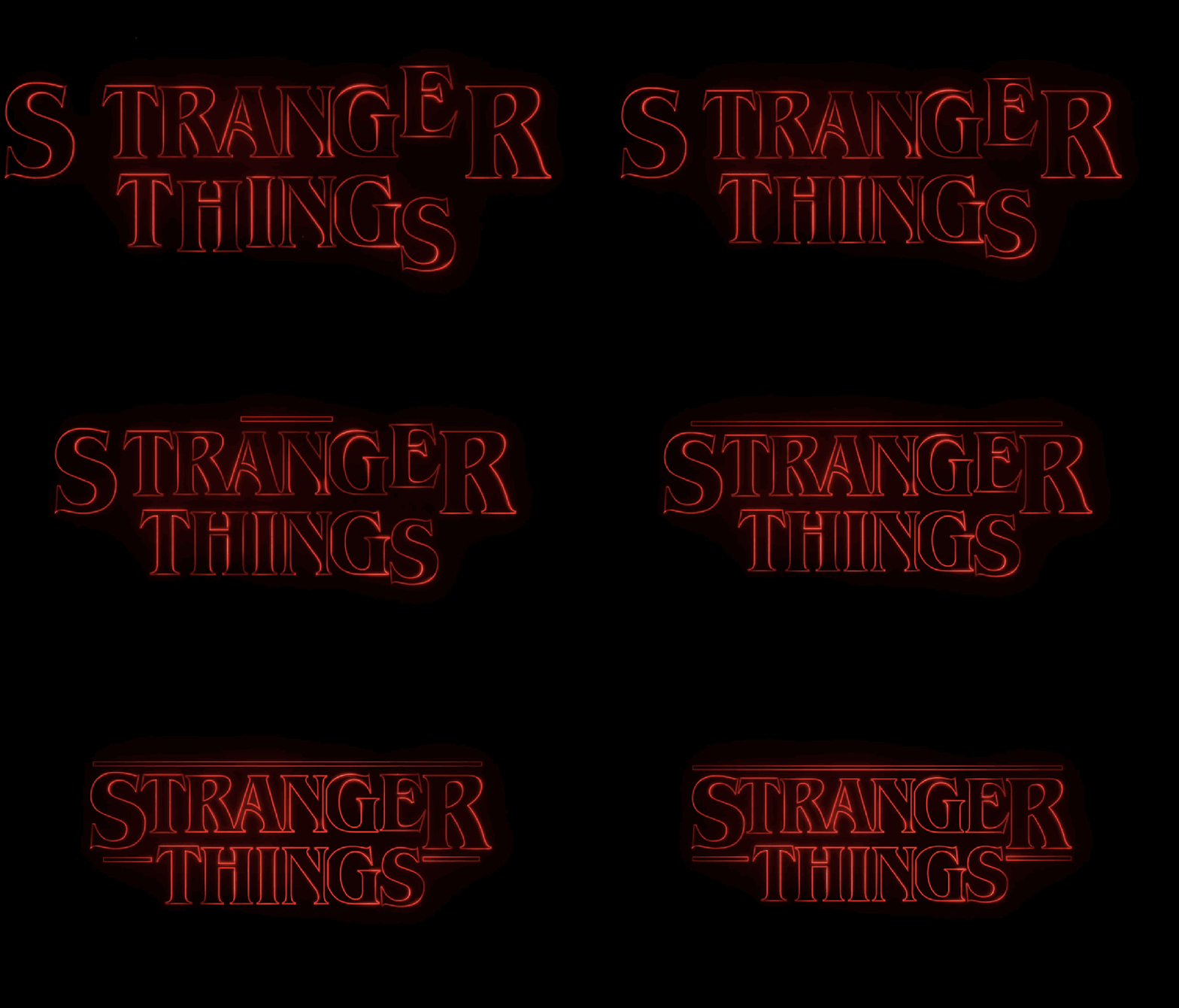
I would like to extend this exercise by addressing the use of lettering, typography and moving image in the opening TV show I absolute love: “Stranger Things”.

“Stranger Things” (2018) by the Duffer brothers ( Netflix TV show)

The typography is connected to the concept of the show in multiple ways: the target audience was anywhere between teens and those kids who grew up in the 80’s, who would understand the show’s subtle messages and salutes to 80’s retro pop culture, targeting age groups 15-50.

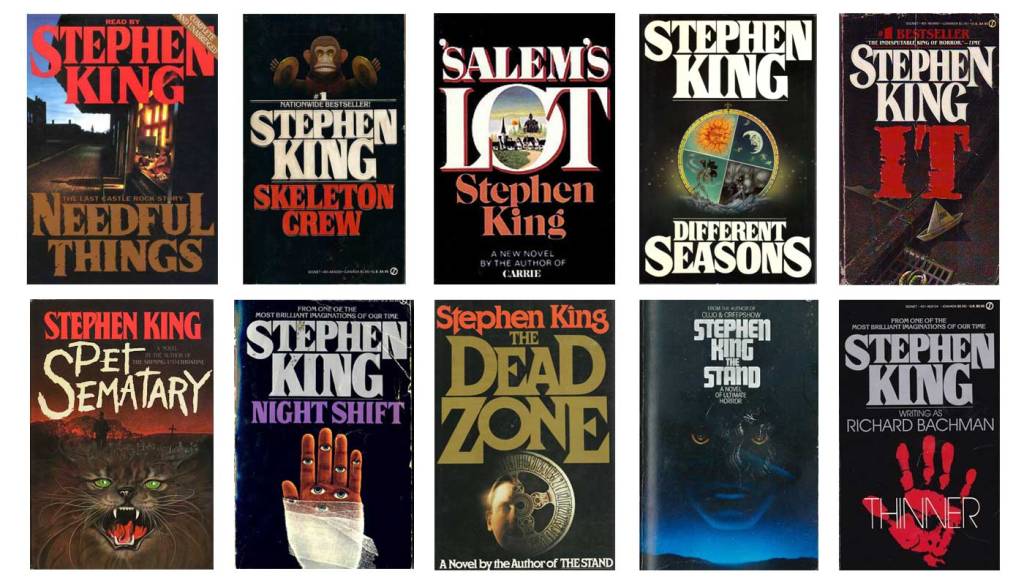
The font and color: The title typography is a modification of a font called ITC Benguiat, created by New York typographer Ed Benguiat in 1977, who at the time, was inspired by Art Nouveau fonts. It was selected over 20 other design options for the feelings and associations it evokes, mainly reminiscent of the Stepen King suspense titles and several 80s movie posters from the era.

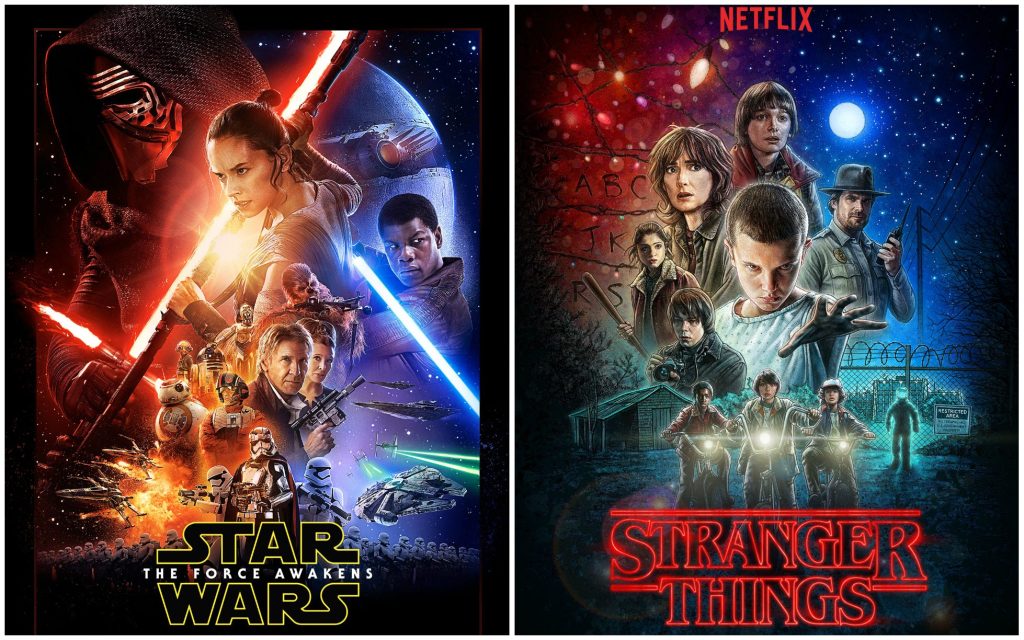
The style and effect: Even before any read up or research, the lettering style over background seems nodding to ”Star Wars”. There are several Star Wars inspired ideas and characters in the show, this repeats again in the design of the show’s poster, seen below.

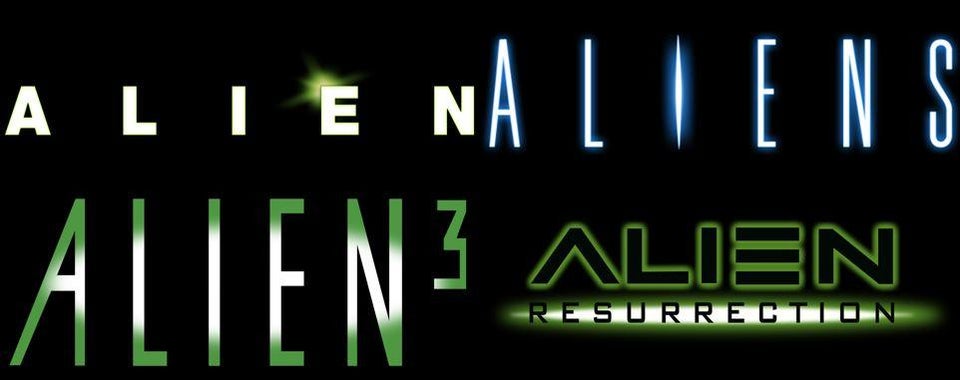
Another obvious inspiration is found in the classic “Alien” series. The slight gradient glows, adds an effect which supports a dark atmosphere and feel of suspense.

Research link and image available on: https://time.com/4984529/stranger-things-font/ accessed 24/5/20

https://www.telegraph.co.uk/on-demand/0/stranger-things-all-the-hidden-and-not-so-hidden-references-in-p/the-thing/ accessed 25/5/20

Categories
Uncategorized

Project 1: Looking for visual communication

Exercise 1: Identifying visual communications

Persuasive design message examples:
Information examples:
Identity design examples:
Authorial content examples:
Interactive design examples:
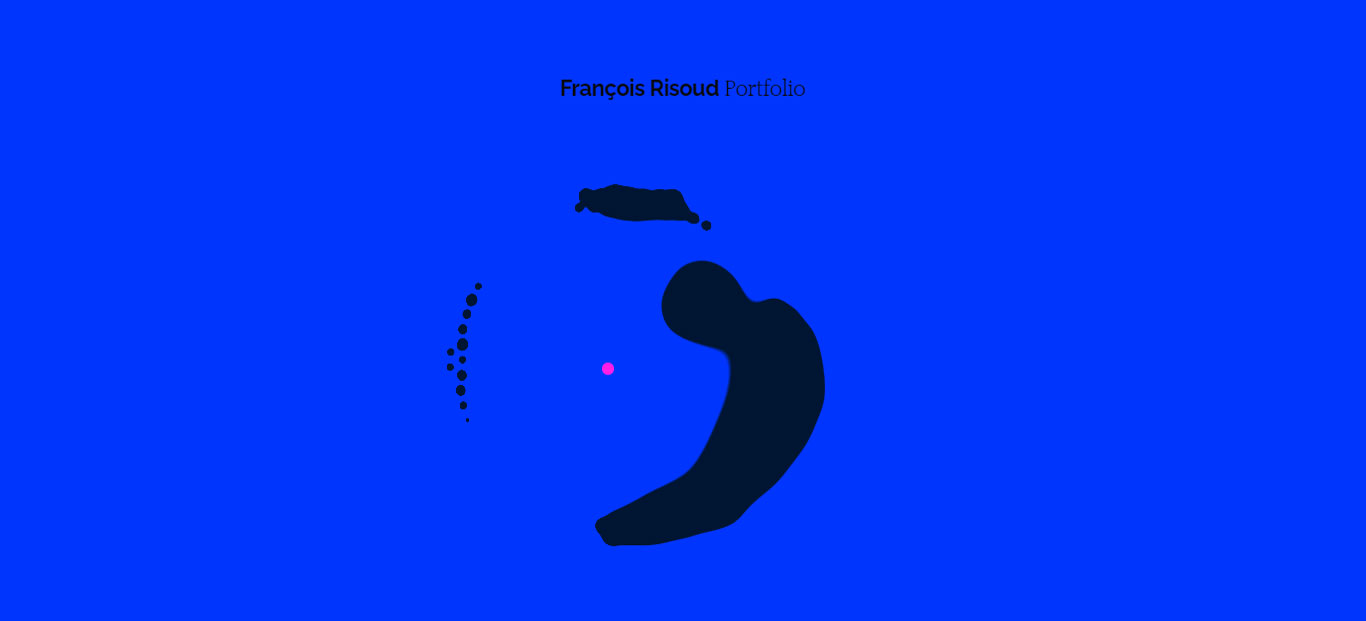
  1. Interactive designs websites, such as  François Risoud’s portfolio website can engage the user in enjoyable ways can stand out as memorable and dynamic. This way of communicating must be done professionally and carefully as dysfunctional interaction can have an opposite effect.
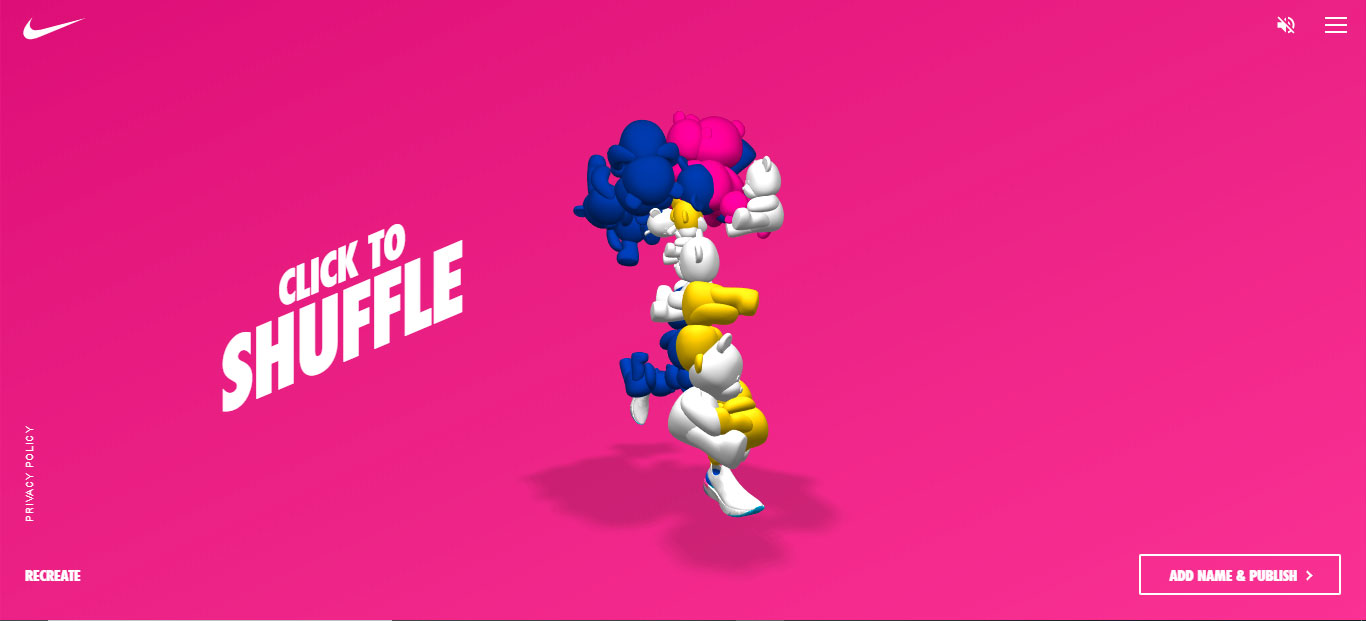
  2. Inviting user engagement in fun activities can leave a positive note with potential brand clients. On https://www.awwwards.com/sites/nike-reactor, Nike invites visitors to design their own dream trainers, which might draw in a positive impression of the company.
Alternative message examples:
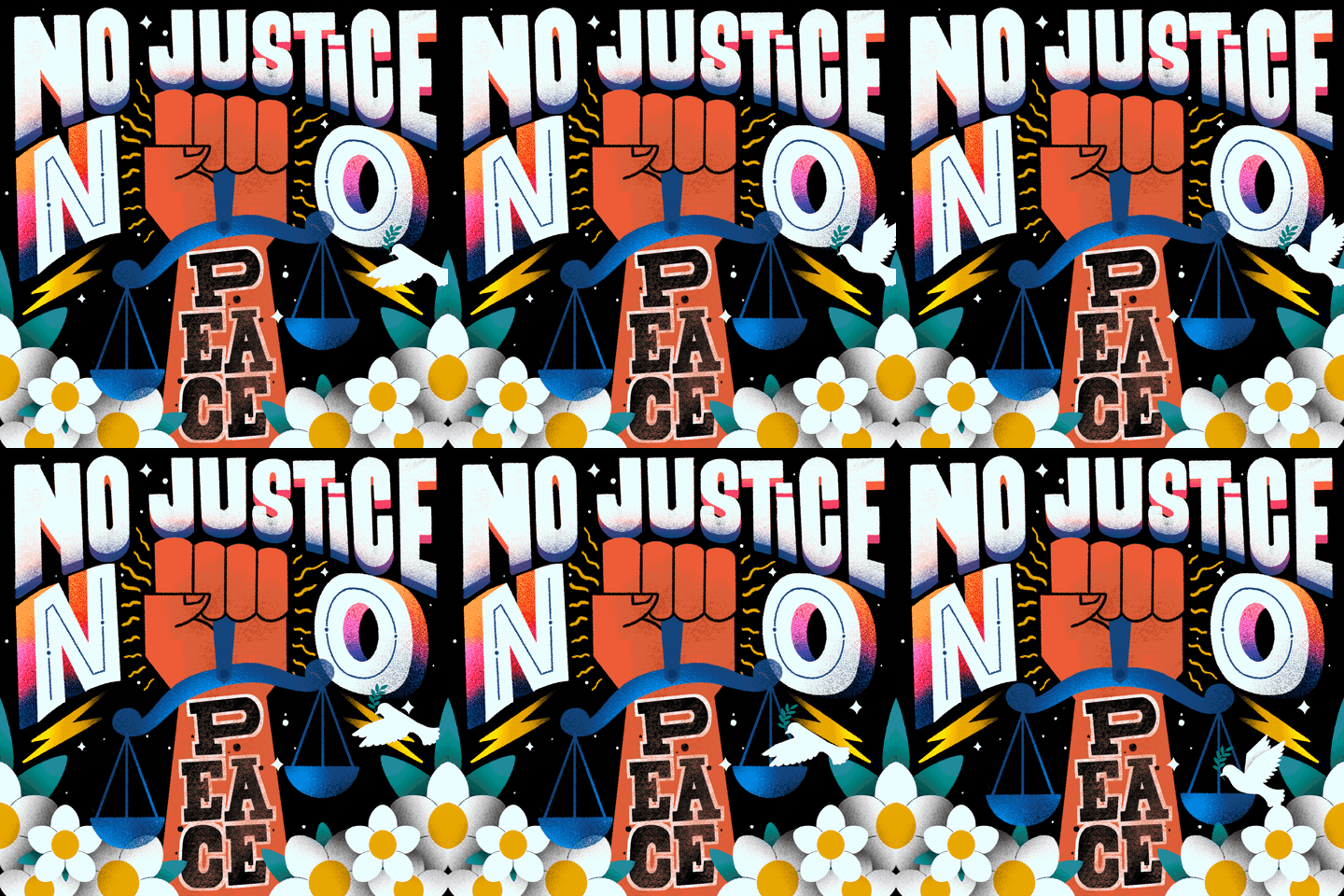
Unknown artist (2020), Black lives matter poster
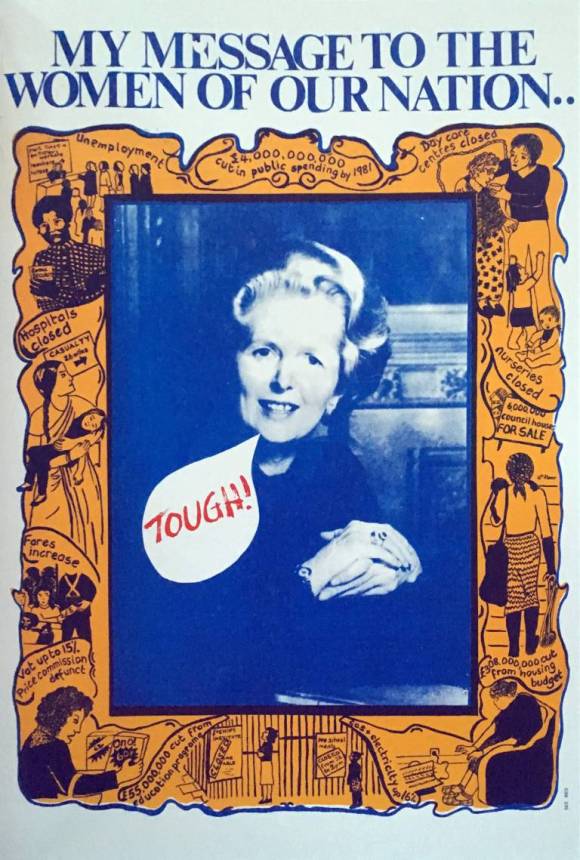
See Red Women’s Workshop poster, Image available on: https://www.adg-fad.org/es/news/see-red-womens-workshop

2020 Black Lives Matter campaign gif example: viral moving image designs are heavily used in promoting the BLM movement demands for justice throughout social media.

Feminist poster from the 70’s, utilizing print and comic detail in order to protest public spending cuts affecting working women. Design: See Red Women’s Workshop (1974-1990)

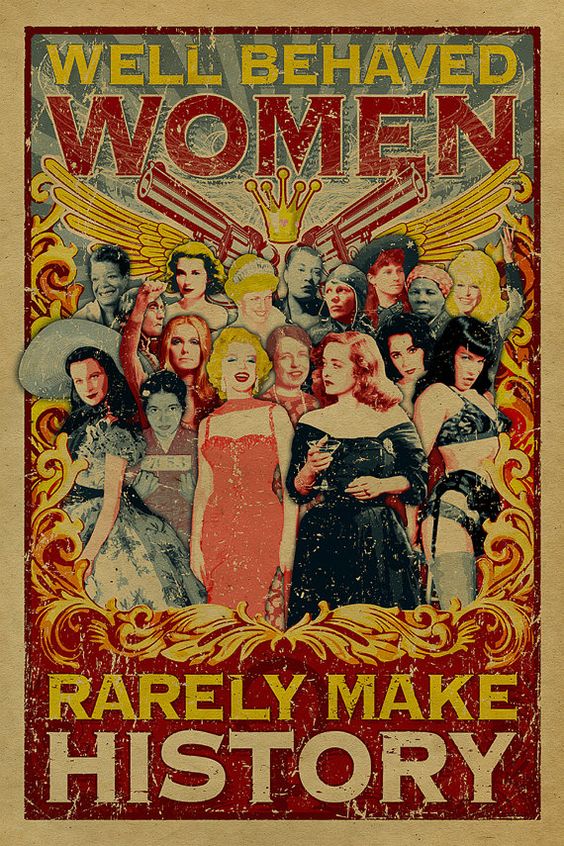
Feminist collage print on craft paper, using text with images of famous women in order to send a message of empowerment.

Categories
Uncategorized

Assignment 2

Assignment 2

Sheery D’Ancona, OCA creative arts

Part 1 – Close Reading

“So this was – it had to be – what Rashid Khalifa had called it: The River of Time itself, and the whole history of everything was flowing along before his very eyes, transformed into shining, mingling, multicolored story streams. He had accidentally taken a stumbling step to the right and entered a World that was not his own, and in this World, there was no River Stinky, but this miraculous water instead.

He looked in the direction the river was flowing, but a mist sprang up near the horizon and obscured his view. ‘I can’t see the future, and that feels right,’ Luka thought, and turned to look the other way, where the visibility was good for some distance, almost as far as he could see, but the mist was there too, he knew that; he had forgotten some of his own past and didn’t know that much about the universe’s. In front of him flowed the Present, brilliant, mesmerizing, and he was so busy staring at it that he didn’t see the Old Man of the River until the long-bearded fellow came right up in front of him holding a Terminator, an enormous science-fiction-type blaster, and shot him right in the face. BBBLLLAAARRRTT!”

Text from: Luka and the Fire of Life ( P47-48 ), Salman Rashdie (2010), Published by Jonathan Cape (2010)

In the process of browsing through texts for our creative reading assignment, a novel I have read years ago, by Salman Rushdie kept flashing through my mind. I remembered it contained some interesting thoughts on our course themes and as I began reading through it once again, my intuition was reaffirmed, Following much contemplation on which text to use for our close reading task, my chosen lines are taken from Luka’s ‘Crossing of the First Threshold‘ into the World of Magic and his first sail through the ‘River of Time’  ( page 47-48).

At a simple glance, Rushdie’s novel seems to be yet another great fantasy fiction, a sequel to his popular 1990 novel: ‘Haroun and the Sea of Stories’. Both books are classified as suitable for all ages, including young readers, yet below the surface, we find a parallel philosophical narrative, which is abundant in reflection and analogies on the themes of Time, Place as well as a third theme of Stories.

Characters appearing within the extract lines : Luka Khalifa, an imaginative and brave 12 year old boy and the Protagonist, or hero. Rashid Khalifa, also known as ‘The Shah of Blah,’ Luka’s beloved father, and a gifted story teller, Luka’s confidant or mentor Character. Old Man of the River, is a random territorial villein type, appearing out of the blue to take one of Luka’s game lives.

I would like to briefly observe the novel’s general plot structure, as I believe it may provide relevance ahead of the analysis of the short extract lines:, Rashid Khlifa falls into a mysterious endless slumber, which represents the Call to Adventure, or reason for Luka to leave his ordinary world to embarks on a perilous journey in order to obtain the ‘Fire of Life’, representing the Reward, that would save his father.  A correlation with stages of ‘the hero’s journey’ can be identified 

The story is told by an Observer-type narrator, which brings us the details from a third person perspective and a witness point of view, including limited omniscient access to the spectrum of inner thoughts and feelings of Luka Khalifa. The exclusive view into the inner world of a specific character, has an effect that stimulates compelling feelings and empathy towards the hero. This encourages, or hooks readers to continue following his journey. An example of the narration point of view effect can be found within the following lines:

‘I can’t see the future, and that feels right,’ Luka thought, and turned to look the other way, where the visibility was good for some distance, almost as far as he could see, but the mist was there too, he knew that; he had forgotten some of his own past and didn’t know that much about the universe’s.

We observe the narrator’s access into Luka’s mind, inner thoughts and knowledge, as well as his view on current plot settings and natural surroundings. In this case, Luka reflects on what he sees: the myst obscuring his view into the future and past is a metaphor, representing human perception of time, including the limitations of knowledge and memory.

Beyond the narration effects, Rushdie is utilizing a ‘Flashback’ narrative structure to transport his readers back and forth along the plot’s timeline: From progressive on-goings & current time, to Luka’s past events, memory moments & Rashid’s story telling. Each stage of Luka’s adventure represents a new challenge or a type of riddle, where answers and information are found through going back into flashes from the past. This is where the additional theme of ‘Stories’ can be identified, focusing on our ability to transcend time through our memories, imagination and stories.

“So this was – it had to be – what Rashid Khalifa had called it: The river of Time itself, and the whole history of everything was flowing along before his very eyes, transformed into shining, mingling, multicolored story streams.”

In this example from the extract lines, the ‘Flashback’ timeline technique can be detected. Our protagonist Luka, draws information on his current settings through going back to his past stories.

We can clearly sense the themes of Time and place evoked through the plot setting: The element of time itself is represented here as the actual Place of setting: ‘the River of Time’ our protagonist must journey through the river, or otherwise symbolically through time, in order to reach the plot’s various stages and fulfill his quest. We can find the idea of time travel connecting both plot setting and timeline structure mentioned above.

The analogy or Simile of Time as a river is a philosophical metaphor that dates back to ancient times, originating in reflective observations on the nature of time and the comparative similarities to traits of rivers. Here are some examples : time is fluid, time never stops flowing, time can be rough or peaceful, time takes us places, eventually delivering us towards our destiny. During my research on the history of the analogy, I’ve found a fascinating blog article by Kensy Cooperrider, his research includes many examples where is was adopted and developed by poets, writers and philosophers, including Leonardo da Vinci. *1″“Time is a river, a violent current of events, glimpsed once and already carried past us, and another follows and is gone. Marcus Aurelius, mediations, written between 161 and 180 AD”.

The text evokes a mood of wonder and mystery. The lines leave me feeling what could be described as similar to a “Déjà vu” or day dream. Due to this atmosphere, readers may continuously be wondering whether the plot settings within the ‘World of Magic’ are real, do they exist in the realm of stories ? or possibly within a dream on character’s mind and imagination. Rushdie successfully applies a ‘curiosity’ type literary hook here, to keep his readers engaged in questioning. We find an example of this possibility in particular lines: “He had accidentally taken a stumbling step to the right and entered a World that was not his own, and in this World, there was no River Stinky, but this miraculous water instead.” We note the Capitalization of the word: ‘World’, emphasizing that Luka had left his own ‘World’ (or Place) and traveled into a different kind of ‘World’, another indication that this is a potentially imaginary place.

As a reader, I couldn’t stop admiring the beauty of Rushdie’s word-play and language, while his writing style seems simple and colorful enough for young readers to appreciate: and in this World, there was no River Stinky, but this miraculous water instead.”, it is equally rich and abundant in poetic style as he gracefully utilizes multiple poetic devices within our text lines. Here are some examples of poetic devices I noted, along with sample lines and some impressions : 

”So this was – it had to be – what Rashid Khalifa had called it: The river of Time itself, and the whole history of everything was flowing along before his very eyes” This line contains Rhythm, it is structured and the pauses and gaps emphasize the feeling of awe and wonder, which is made even stronger by the Consonance used: ”the whole history of everything was flowing along before his very eyes”, the sounds ho and hi create a feeling of surprise and wonder, while ing ing ong, represent the movement of the river and time. This continues with further Alliteration found in the next line: ”shining, mingling, multicolored story streams.Once more, the sounds ing, Sh, S, M are used as a literary sound effect, representing the sounds of the magical, mingling river Luka sees. The Imagery of‘a Terminator, “an enormous science-fiction-type blaster”, provides readers with an indication that despite being located in the magical world, our story takes place in contemporary times. Onomatopoeia is found in the word representing the sound of the blaster : ”BBBLLLAAARRRTT!”, 

The metaphor of River continued to stay on my mind as I observed the general prose style, line structure & Rhythm : Firstly, the lines describing the river, flow beautifully, in notable rhythmic and poetic styles and sounds I previously mentioned, a simile of a curvy, peaceful steam:”shining, mingling, multicolored story streams’” As we read this sentence aloud, our voice produces an effect resembling water and gentle rapids. This continues as Luka’s draws conclusions on his vision into past, future and mesmerizing present, written in the same dreamy and colorful style:“In front of him flowed the Present, brilliant, mesmerizing”. From here, we’re headed towards a sharp drop down an unseen waterfall – which takes us by surprise as the last few lines are totally different, both in rhythm and prose – we find ourselves carried away by an unexpected, sudden science fiction torrent: “and he was so busy staring at it that he didn’t see the Old Man of the River until the long-bearded fellow came right up in front of him holding a Terminator, an enormous science-fiction-type blaster, and shot him right in the face.” These are also the lines I probably least understood, yet my impression is that it is pretty funny and was intended as a fresh & humorous ‘wake up’ gesture by the author.

I would love to conclude with the line that stayed on my mind most : “In front of him flowed the Present, brilliant, mesmerizing”. I love the language of this line, which feels marvelously accurate in describing the sensation of the present. It was inspiring for me, as it evokes deeper, mindful thoughts: on the miracle of consciousness, our perception of time and reality. When we find the time to truly think about it – each present moment of our lives truly is miraculous, brilliant and mesmerizing, probably Just as magical and amazing as sailing through Rushdie’s River of Time.

Reference and research links: 

Novel Wiki: https://en.wikipedia.org/wiki/Luka_and_the_Fire_of_Life

The River of Time, Blog by Kensy Cooperrider, May 16, 2018 : http://kensycooperrider.com/blog/the-river-of-time

Part 2 – Observation from my Log and notes

Overall, I feel that I’ve enjoyed learning, and was equipped with new tools, ideas and constructive materials. The reason I particularly appreciated our Creative Reading Unit, is that I’ve always been fascinated by writing and story crafting arts. I’ve even written a children’s book a couple of years prior to my OCA course. Yet I haven’t taken any writing classes before, therefore I feel that this unit projects expanded my comprehension of constructing good narratives, developing a writing style and poetic skills. For instance: understanding the hero’s journey as a writing tool: “It’s a powerful and flexible framework, and if you want to tell stories that actually impact your audience, it’s a useful tool to have at your disposal.”, Patrick Moreau, Science of Storytelling blog. I would potentially structure better stories and create greater narratives due to tools & impressions acquired through this unit projects, my work into deeper poetic analysis for our assignment and understanding the powerful effects of metaphors such as the river in my chosen piece.

Our research point on the evolution of the written word, from traditional literature through the print revolution to new media in the digital age and writing through coding and algorithms was very interesting in providing broad vision on text as a medium. The ‘Hero’s Journey’ project provided an insightful breakdown and explanation of elementary dramatic writing building blocks, which helped my understanding of basic, skeletal narrative structuring and development. For the original story script exercise, I’ve used a personal idea for a writing project that’s been on my mind for a while. Analyzing the idea for the exercise had given birth to new perspectives and elements that would enrich and ripen the idea, for instance: identifying the stages and organizing course of events, adding a mentor character etc. The character type exercise was additionally important, and would surely become useful in future writing plans.

I genuinely appreciated the touch of humor in both ‘Modern Postmodern’, ‘Rap or Romantic’ exercises. Our project on poetic devices and their different effects was truly interesting as well as useful, as I always loved writing but haven’t had the chance to study creative writing related technical skills.

My favorite part of the unit was surprisingly the poetry writing exercises. I found close reading and poetic thoughts similar to meditation: taking the time to read and process each word, followed by observation of my own reflection and how the words affect my mind, my mood and feelings. Doing that after so many years truly reminded me how much I do love and enjoy poetry. I enjoyed working on both our close reading projects: ‘Fern Hill’ and ‘The Road’, which left me so curious that I felt I needed to obtain the book. I spent a couple of days reading, reflecting and appreciating McCarthy’s powerful and direct writing style and the gloomy imagery & atmosphere it supported. This helped later, as I progressed into working on my second assignment, I was feeling more confident and able to identify the narrative and poetic devices we studied such as metaphor, simile Rhythm, consonance etc.

I believe the unit demonstrated the connection between the visual and written art forms. A link that artists can implement as a bridge when seeking inspirational thoughts or creative ideas – for instance, it is easy to write a poem, inspired by feelings triggered by viewing a beautiful painting, and in reverse, create a painting or sculpture after reading a moving piece of poetry or literature. 

It seems that similar parts of our brain are activated when expressing our feelings through art, whether we use paint, text, music or movement. Multiple neurological studies suggest this finding and I can support this conclusion, as I observed similar feelings of satisfaction, happiness, even ‘’Euphoria’ I tend to experienced whether I danced, drew or painted: “engaging in any sort of visual expression results in the reward pathway in the brain being activated,” says Kaimal. “Which means that you feel good and it’s perceived as a pleasurable experience.” “Anything that engages your creative mind — the ability to make connections between unrelated things and imagine new ways to communicate — is good for you,” Girija Kaimal, professor at Drexel University and a researcher in art therapy.

To summarize, my journey through this unit tasks left me with multiple useful creative reading / writing developmental tools that I am certain to carry on & implement throughout my course and future art projects. I can report experiencing more contemplation, coherent ideas and urge to allocate more of my time to active artwork. Additionally, some local creatives and new projects manifested into my life and I’m excited to blend in and find my saying. Finally, I’d like to end with a favorite poem from my notes along with my latest painting as a token of gratitude for learning new ways of connecting the written word and my art.

Reference and research links: 

What Happens In Your Brain When You Make Art, Article by Malaka Gharib, January 11th, 2020 link:https://www.npr.org/sections/health-shots/2020/01/11/795010044/feeling-artsy-heres-how-making-art-helps-your-brain

How Does the Brain Process Art? New imaging techniques are mapping the locations of our aesthetic response, By Abigail Tucker, SMITHSONIAN MAGAZINE, NOVEMBER 2012, link: https://www.smithsonianmag.com/science-nature/how-does-the-brain-process-art-80541420/

Patrick Moreau, Science of Storytelling blog, link: https://www.musestorytelling.com/blog/heros-journey

Categories
Uncategorized

Project 4: The Road

Exercise 1

First person narrator: I pushed the cart and both I and the boy carried knapsacks. In the knapsacks, there were a few essential things in case we had to abandon the cart and make a run for it. Clamped to the handle of the cart was a chrome motorcycle mirror that I used to watch the road behind us.

Second person narrator: You shifted the pack higher that your shoulders and looked over the wasted country. The road was empty. Below in the little valley the still grey serpentine of a river. Motionless and precise. Along the shore a burden of dead reeds. Are you okay? You said. The boy nodded. You set out along the blacktop in the gunmetal light, shuffling through the ash, each the other’s world entire.”

I sense particular choice of omniscient narrator, was picked to match the story’s grim, post apocalyptic atmosphere: Our early narration of the characters, trying to survive in a dangerous, dead land, is reminiscent of the narration of a nature film; ambiguous and observing as if the characters were animals on a savage savanna, ready for the next slaughter. This type of narration keeps the readers engaged in ongoing suspense for the characters safety as we desperately attempt to understand their tragic world’s events & background.

Exercise 2

We find the characters placed in their wild settings. We do not know their names – could be that in their world, names are no longer as important as staying alive. What we do know they are connected as father and son. We also know they are in a tough situation. This is the part indicating that they’re in some kind of danger and need to stay on watch and prepare for potential violence:’In the knapsacks were essential things in case they had to abandon the cart and make a run for it. Clamped to the handle of the cart was a chrome motorcycle mirror that he used to watch the road behind them.’ These details seem to be enough to trigger enough empathy and curiosity in order to create a fictional bond to the nameless characters.

A chrome motorcycle mirror, tells us the story takes place in contemporary times, yet there are small clues telling us something is terribly wrong, something ill is happened to nature: “He shifted the pack higher on his shoulders and looked out over the wasted country.’ Along the shore a burden of dead reeds. They set out along the blacktop in the gunmetal light, shuffling through the ash, each the other’s world entire.” This is an indication that the story is post contemporary fiction, possibly following either a natural or man made environmental disaster.

The combined information of having a back mirror on a shopping cart, plus the empty road. Tells us they must keep watch. That others appearing might not be welcomed and potentially dangerous. This leaves us with another indication of danger.

The fact they’re in danger, carrying all their belongings in a shopping cart, plus emergency escape packs, shows they’re potential emergency refugees, traveling to safety.

The road symbolizes both the place and the journey we take. It is mentioned the characters have nothing left but each other, the road is their entire life and only hope.

Poetic devices used in the snippet from the book are: Rhythm, in general word structure. Certain Alliteration: “Clamped to the handle of the cart was a chrome motorcycle mirror” We can find powerful Simile / Imagery: “They set out along the blacktop in the gunmetal light, shuffling through the ash, each the other’s world entire.”

McCarthy uses un-punctuated, short descriptive sentences as another tool emphasizing the disrupted, eerie reality and apocalyptic vibe of his story.

The following lines trigger imagery of a post-apocalyptic world :

“The road was empty.”- here is a hint that there aren’t many people or vehicles left around. “Below in the little valley the still grey serpentine of a river. Motionless and precise.” A grey, motionless serpentine – an imagery indicating the river is no longer flowing or living, but resembling something dead, possibly something evil in the biblical associative sense. A ghost of a river. “Along the shore a burden of dead reeds.” – additional indication of environmental trouble, where even reeds, a strong and hardy plant, are withered and dead. “They set out along the blacktop in the gunmetal light, shuffling through the ash, each the other’s world entire.” The sentence raises an image of a dark gray reality. Leaving us wondering how large amount of ash reaches the road? We can imagine a large scale fire or possibly a nuclear explosion.

McCarthy choice of extremely simple, short sentences helps portray the urgency and danger in the character’s world. As survival is key – There’s no time for detailed prose, drama and long conversations while the heroes are in hiding for their lives. In hindsight, it’s yet another clue that talking has become challenging due to trauma. As the characters are suffering from great physical and mental stress.

The Road is truly as quoted: “A work of such terrible beauty that you will struggle to look away.” (The Times). The story naturally drew me as a reader, using emotions such as: Mystery, curiosity, intrigue, empathy and pity. It is very hard to put away before knowing the characters are safe from violence and starvation. I was pretty astonished how much feeling could be triggered to nameless, anonymous characters, just on the basis of human solidarity to the safety of the father and child. Of course the best part as a reader, was them finding a well stocked bomb shelter on the brink of starvation. Knowing they were well fed, bathed and sleeping in clean beds was pure satisfaction.

As there’s little factual background information provided, the story leaves intentional gaps to be filled by our individual imaginations. Oddly, it feels extremely entertaining to make up these facts, as if we’re touching an object in the dark and trying to guess what it is – I invented the following missing facts: The father’s cause of death is a combination of TB and radiation exposure disease. Disaster background: Following a nuclear war, the world is left covered by sun blocking radioactive fog. This caused cooling climate change and general toxicity.

So much is left unknown, leaving us readers craving for more: We never learn their names. We never learnt exactly what happened to cause the death of the world or what happens to the boy in the hands of the family.

Categories
Uncategorized

Project 3 Ways of saying and seeing

Exercise 1 – Poetry and theme

After reading the 3 given poems. I have decided that The Lost Land, By Eavan Boland, speaks about place in relation to identity and exile. There are poem lines indicating that it is written from longing in exile, Other lines speaks of leaving Ireland out of emergency or necessity rather than will:

‘I can see the shore of Dublin Bay.’

‘Shadows falling
On everything they had to leave?
And would love forever?’

‘I imagine myself
At the landward rail of that boat’

‘The Herefordshire Landscape’ by Elizabeth Barrett Browning purely evokes a sense of place in a nostalgic manner, without arousing negative emotions.. As its lovely lines are full of fine descriptions of local weather, plants, scenery & smells of an old familiar place, or possibly a childhood home?

‘Slough’ by John Betjeman, is full of social comment about progress and place. The poem lines indicate strong revolt and protest over the industrial takeover of Slough. Mentioning is it no longer fit for ordinary living to the point that the poet invites the bombs to destroy it. The mention of bombs as well as tinned food, provided a clue that this poem is possibly from the WW2 era. ‘Tinned minds, tinned breath.’ is possibly an expression of discontent over the war time manic public state. Which often suppresses personal freedoms in the name of emergency, or state cause.

Poetry, modernism and postmodernism

Branching out into different styles and expression forms seems a positive development to me. Just as in biological evolution, art & poetry continue to evolve too as new styles emerge. The art of poetry changes and gets reinvented with society. New forms, reflect cultural changes.

I believe it is healthy for rules to be questioned, stretched, challenged and re-tested. My personal taste in poetry is somewhere in the middle, I enjoy both modernist as well as post-modernist poetry and find expression in both forms: There’s great beauty & emotion in classic poetry, as well as power and expression in a spoken word performance or a good rap song.

Rap or Romantic?

• Her untimely exit from her, heavenly body – Rap
• Five miles meandering with a mazy motion – Romantic
• Victims of wordly ways, memories stays engraved – Rap
• A dead bird flying through a broken sky – Romantic ( I got the wrong answer – Turns out Rap can be very romantic )
• Drive my dead thoughts over the universe – Romantic

A rough guide to poetic devices – Exercise 2

Poetic devices examples I found in other poems:

Rhyme

Words that sound alike, usually at line endings.

Example found in a poem:

“Some say the world will end in fire;
Some say in ice.
From what I’ve tasted of desire
I hold with those who favor fire.
But if it had to perish twice,
I think I know enough of hate
To know that for destruction ice
Is also great
And would suffice.”

Robert Frost, Fire And Ice
Source accessed 19-04-20 : http://www.poetry.org/frost.htm

My own example:

Outside my window, sweet savior stands.
Playful sunbeams stroke leafy strands
In fickle times, all paths refute.
I’m holding on to mango roots.


Rhythm


A metered structure of syllables, consonants, breathing, or pauses.

Example found in a poem:
“How do I love thee? Let me count the ways.
I love thee to the depth and breadth and height
My soul can reach, when feeling out of sight
For the ends of Being and ideal Grace.
I love thee to the level of every day’s
Most quiet need, by sun and candlelight.”

Elizabeth Barrett Browning, How Do I love Thee, Source accessed 19-04-20 : http://www.poetry.org/browning.htm

My own example:

Mango rain, when will you return? Come now – hard & heavy.
Wash away the dust from my soul. Quench me, cool me, soak me.
Turn me into your river and let all things flow.


Repetition:

Example found in a poem:
“Intentional repetition for reinforcement and effect.
To the swinging and the ringing
Of the bells, bells, bells,
Of the bells, bells, bells,bells,
Bells, bells, bells
To the rhyming and the chiming of the bells!”

Edgar Allan Poe, The Bells, Source How Do I love Thee, Source accessed 19-04-20 : http://www.poetry.org/poe.htm

My own example:

It’s raining, raining, raining, raining, but never ever snows.
The honest rain, where true illusion grows.


Alliteration


Two or more words in a line of poetry that begin with the same initial sound.

Example found in a poem:

“and watched as they burnt to ashes, watched
and worked on his whiskey, working hard.”


BJ Omanson, Nowhere to Nowhere, Source accessed 19-04-20 : https://www.poetryfoundation.org/poems/153611/nowhere-to-nowhere


Assonance


Repeating vowel sounds without repeating consonants. In poetry, often used as an alternative to rhyme.


“My brother is dying and I am not.
I drag him behind me like a spiritless balloon, like the first robot,
like the last clown-car clown, his ridiculous Fiat, his lot
to be crushed, left for dead, covered in snot,
his puffy hands, his outsized shoes, his flower pot,
like Virgil Earp, Clanton-ganged, at the Not
OK Corral, un-brothered, gutshot,
like the night without sleep in Turandot.”


Hodgen John, Forget-Me-Not

Source accessed 19-04-20 : https://www.poetryfoundation.org/poetrymagazine/poems/89337/forget-me-not


Consonance


Repeating consonants without repeating vowels. Consonance gives melody to verse.

“My single acre, to be safe, to be still
and watch the planet’s purposeful turning
behind a cairn of roughly balanced stones.

Uprooted, scarred, weather-gray of bones,
I love their old smell, the familiar unknown.
To be sure this time I know where I belong

I have brought, at last, the vagrant road home.”

Scavenging The Wall Source accessed 19-04-20 :https://www.poetryfoundation.org/poetrymagazine/poems/41081/scavenging-the-wall


Onomatopoeia


A word that imitates the sound made by the thing being described.


“When a poem is born What is the chance Of words in rain Drip drop dance Ping ting sing Pitter patter rhyme Rain dance acceleration Makes my poem climb”


Victoria Reome, Rain Dance Poem, source accessed 19-04-20 : https://www.poetrysoup.com/poem/rain_dance_poem_782877


Personification


Ascribing human qualities to an object.


It is sticking out of the ground with my well rounded head. I am crazy in love with the soil, but will be eager to be plucked For I know someone will exclaim with delight at my crooked prettiness.
(from Call Me Miss Carrot by Karen Krutsinger) Source: https://www.poetrysoup.com/poem/call_me_miss_carrot_1252503


Simile

A figure of speech in which an image is evoked by likening one thing to another.

Here in the electric dusk your naked lover
tips the glass high and the ice cubes fall against her teeth.
It’s beautiful Susan, her hair sticky with gin,


(from Heat by Denis Johnson) Source: https://www.poetryfoundation.org/poems/143780/heat-597917a1f0de8


Metaphor


To describe something by giving it the identity of something else.
A

i have found what you are like
the rain,

        (Who feathers frightened fields
with the superior dust-of-sleep. wields


(I have found what you are like – by e e cummings)


Imagery


Use of devices such as simile and metaphor to create images in the reader’s mind.

Hold fast to dreams
For if dreams die
Life is a broken-winged bird
That cannot fly.

from Dream by Langston Hughes

Poetic devices found in chapter 1 of ‘Sputnic Sweetheart’ by Haruki Murakami ( first published by Kodansha Ltd, 1999 )

‘In the spring of her twenty-second year, Sumire fell in love for the first time in her life. An intense love, a veritable tornado sweeping across the plains – flattening everything its path, tossing things up in the air, ripping them to shreds crushing them to bits.’

This is the very first paragraph in the novel. It includes sweeping combination of metaphor and simile, describing love as as a destructive tornado. This passionate metaphor in the very first sentence of the book, allows the reader to immediately emotionally connect with, and become intrigued / curious by the story and lead character.

‘Her resolve was a Regular Rock of Gibraltar’

This sentence utilities alliteration, which emphasizes the descriptive meaning.

‘It made her think of Laika, the dog. The man-made satellite, streaking soundlessly through space. The dark lustrous eyes of the dog gazing out of the tiny window. In the infinite loneliness of space, what could Laika possibly be looking at ?’

This paragraph utilizes imagery in order to send the readers on a sad contemplation of Laika the Soviet space dog.

Close Reading

exercise 3 Fern Hill

Fern Hill read by Dylan Thomas, Source: https://vimeo.com/267476446

The poem shifts between poetic description of a joyful country childhood or youth, with dark metaphors on man’s fundamental enslavement to time. There’s a strong contrast between the light and dark moods. Here are some example line of the contradiction :

‘All the sun long it was running, it was lovely, the hay youth, to dark Fields high as the house the tunes from the chimneys, it was air’ moods. And playing, lovely and watery’.

‘Time let me play and be Golden in the mercy of his means’ ‘Time held me green and dying Though I sang in my chains like the sea’

I recognized several poetic devices, used in order to support line structure, harmony and general atmosphere. here are some examples devices with corresponding lines:

Rhythm: ‘With the dew, come back, the cock on his shoulder: it was all’, Alliteration: ‘And green and golden I was huntsman and herdsman, the calves’ Assonance: ‘Time let me hail and climb’ Consonance: ‘About the lilting house and happy as the grass was green’ Simile: ‘And fire as green as grass’, Imagery and Metaphor: ‘As I rode off to sleep the owls were bearing the farm away, And all the moon long I heard, blessed among stables, the nightjars, Flying with the ricks, and the horses, Flashing into the dark’.

Personification is used as a way to support the theme of time – We can find personification of time itself in various lines throughout the poem: ‘Time let me hail and climb, Time let me play and be, I should hear him flying over the fields, time held me green and dying’,

The poem itself seems to focus on human relevance to time throughout different stages of human lives. How oblivious and ambivalent towards time we are throughout our youths, waking up to realize how precious our time was as our life extends and our time runs out. The farm, is a metaphor of a place we all long for in our past. Additional themes besides time and place are childhood and nostalgia.

There are several lines that particularly appeal to me, the following lines depict the banality of life swayed by the forces of time:       In the sun born over and over,
          I ran my heedless ways,
     My wishes raced through the house high hay
And nothing I cared, at my sky blue trades, that time allows
In all his tuneful turning so few and such morning songs

These lines remind me of my own childhood, looking back on how time seems different to the young, who only wish for it to pass quickly before realizing how precious time and vitality is, later on in life. The poem draws an image and memory of sunny childhood memories that only exist in each of our souls. A yearning for past places, warm and young.

The poem’s rhythm, flatmates between choppy to flowing, which goes back to the contrast between the light and dark moods. It seems choppy in parts, like the voice of an older person while flowing in the parts describing images from the farm, childhood and youth.

The speaker seems to be a person looking back on his life and examining his relation to time. View seem to be emotional yet inferred of opinion.

I noted the recurring reference to light and the sun. While the farm seems to be representing the theme of place. I cannot interoperate the exact meaning of light / sun.

Categories
Uncategorized

Project 2: The hero’s journey

Exercise 1

I’ve Chosen to map the story line of one of my favorite childhood film productions ‘Labyrinth’:

Initial release: June 27, 1986 (USA)Director: Jim Henson Screenplay: Terry Jones Story by: Jim Henson, Dennis Lee.


Act I (Beginning = the hero’s decision to act): Teenager Sarah (Jennifer Connelly) is forced by her father (Christopher Malcolm) and her stepmother (Shelley Thompson) to babysit her baby brother Toby (Toby Froud) while they are outside home. Toby does not stop crying and Sarah wishes that her stepbrother be taken by the Goblin King Jareth (David Bowie).
Ordinary World: Sarah’s family home and ordinary teenage life.
Call to Adventure:  Sarah is given thirteen hours to solve a labyrinth and rescue her baby brother Toby when her wish for him to be taken away is granted by the Goblin King Jareth.
Refusal of the Call: Sarah deeply regrets making her wish and begs the goblin king to return her brother.
Meeting with the Mentor: Sarah meets an ancient looking dwarf with a feisty attitude who showed her how to enter the Labyrinth. His name was Hoggle
Crossing the First Threshold: Sarah enters the dangerous labyrinth, starts the journey to the goblin city.
Act II (Middle = the action)
Tests, Allies, Enemies: Sarah meets numerous challenges, riddles and strange creatures. She also makes friends and finds travel companions. We learn that Hoggle, is actually Jared’s spy, sent to make sure she fails. He is torn between liking his new human friend and appeasing his master (the goblin king).
Approach to the Inmost Cave: Sarah and her companions approach goblin city and Jared’s castle.
Ordeal: Final encounter, facing the goblin king. Sarah finally breaks the spell, quoting lines from her story book. this ends with the movie’s most famous quote line: ‘You have no power over me’.
Reward: Baby brother Toby is freed and the goblin king is banished to live as an owl.
Act III (End = the consequences of action)
The Road Back
: Sarah returns home and runs upstairs to ensure that her brother had been returned. She finds Toby sleeping soundly.
Resurrection: Sarah has had a good lesson, she gains responsibility, confidence and empowerment.
Return with the Elixir: Sarah and her her baby brother are home safely.

Original story script using the stages of the Hero’s Journey

For this exercise, I am using a children’s book idea I have, called ‘Practical Magic For Children’. It’s an empowerment story that teaches kids to cope with negative emotions using their imagination and colors. The hero of the story is actually the reader, the mentor is that part of the mind : The voice of inner happiness / wisdom. The Antagonists are negative and belittling emotions.
Act I (Beginning = the hero’s decision to act):
The Ordinary World: Normal every day life, home and school routine.
Call to Adventure: When kids face conflict and tough emotions, This little book can help find secret places, deep inside your mind. Whenever we visit, we find our hidden powers that can lift our spirit and make us feel stronger.
Refusal of the Call: Kids do not always believe in their powers, they might believe their too small.
Meeting with the Mentor: The mentor is called Ananda, Sanskrit word meaning “happiness, bliss”. He is a part of ourselves and is the wise voice or intuition, the keeps our mind happy and strong.
Crossing the First Threshold: The threshold is facing or coping with tough, scary situations.
Act II (Middle = the action)
Tests, Allies, Enemies
: Bullying, fear, insecurities etc.
Approach to the Inmost Cave: The inner cave is a special mental state, where we teach kids to face their fears, believe in themselves and summon positivity through imagining colors and protective elements.
Ordeal: Facing different challenging situations & emotional storms.
Reward: Finding strength and power through learning mental exercises & positive imagination skills.
Act III (End = the consequences of action)
The Road Back: Continuing every day life with the new powers.
Return with the Elixir: Growing faith in ourselves and our ability to control our mind and emotion.

Further Reading
If you’re interested in finding out more about postmodernism, feel free to do your own research. Oxford University Press do an excellent series of ‘very short introductions’, including one on postmodernism (Butler, 2002), which you might also find useful for other parts of this course.

Exercise 2 – character archetype list

For this exercise, I’m including equivalent example character name from popular HBO fantasy – Game of Thrones, which has an abundance of different types of characters.

  • The Protagonist / Hero – Main character who may fulfil a task or bring justice: House Stark members, Arya, and John Snow
  • Deuteragonist – A character next in importance to the Protogenist: Sansa or Bran Stark
  • Antagonist – enemy or villain: House Lannister, mainly Cercei
  • The Bully – Intimidates others: Joffrey Lannister ( Baratheon ), Ramsay Bolton
  • The Creature of Nightmare – Threatens the hero’s life: The zombies behind the wall.
  • The Damsel in Distress – The hero rescues her: Sansa Stark
  • The Devil Figure – Tempts the hero: Lord Pyter Baelish
  • Dreamer – Wants to be something else:
  • The Evil Genius – Seeks revenge and hates all: Pyter Baelish
  • Friendly Beast – Assists the hero: Hodor,
  • The Initiates – Need training to become heroes: Arya Stark
  • Martyr – Willing to die for a cause: The ‘Unsullied’
  • Mentors – Train and counsel the initiates: Three-eyed Raven is Bran’s Mentor, Joqen H’hgar is Arya’s mentor.
  • The Outcast – Exiled for a crime and becomes a wanderer: Bronn, The Hound
  • The Star-Crossed Lovers – The pair usually meet tragedy: John Snow and Deanerys Targaryen
  • Survivor – Never gives up and always pulls through: Tyrion Lannister, Jorah Mormont
  • The Temptress – A beautiful woman who seduces the hero: Daenerys Targaryen
  • Tyrant – Wants to be in charge: Joffrey Lannister ( Baratheon ), Ramsay Bolton
  • Wizard – Has special powers: Brann Stark
Categories
Uncategorized

Project 1: The craft of writing

Introduction exercise:

Reasons people read:

  • To learn or seek information such as news stories, instructions etc.
  • For leisure and entertainment.
  • Poetic inspiration and literature appreciation.

Reasons people write:

  • To share / spread practical information.
  • Teach and develop teaching materials
  • Share Stories & inspire others.
  • Literature or poetry passion.

Exercise 1

When a story sees print. It is, in a sense, ‘born’ or ‘unleashed’ onto the world. From that moment, it starts a life of it’s own. Separate from it’s source. There’s no telling who would read it, be affected by it and in which way.

Stories or texts can easily become misused, appropriated, or misunderstood. Although there are copyright laws, it is very difficult to trace all users in our global / digital age. Texts can be endorsed or disapproved by the audience. Which in turn would probably personally affect the source, as well as inspire more related texts, reviews etc.

Notes on Hazel Smith’s essay, ‘Creative Writing and New Media’:

Exercise 2

What I’ve read – written – seen in the last 24 hours:

  • Written notes & read course essay.
  • Written multiple emails & exchange text messages with friends.
  • Read a few pages of Orwell’s ‘1984’.
  • Read multiple daily news articles ( recently too many due too Covid 19 ).
  • Read educational materials with my children.
  • Seen multiple social media videos ranging from news to comedy.
  • Seen shows on Netflix ( The Last Kingdom ).

My short list most likely contains at least 50 – 100 different stories and communicative information pieces, written by journalists, scientists, educators, comedians, script writers, travel writers etc. Additionally, there is some oral and written story telling by friends and family.

Out of my multiple daily story encounters, there are many I consider art: Inspirational or creative social media posts and blogging, graphic contemporary art like MEMEs, political & social activism, scripts for film or TV programs, creative writing, Literature or poetry, storytelling and humor.

What I do not consider art: Functional, brief texting or emailing. I guess email or text writing could be graphic or contain artistic language style, therefore qualify as art, but it is borderline. The same goes for other practical information like train timetables, recipes etc.

Categories
Uncategorized

Part two: Creative reading

Introduction exercise:

Reasons people read:

  • To learn or seek information such as news stories, instructions etc.
  • For leisure and entertainment.
  • Poetic inspiration and literature appreciation.

Reasons people write:

  • To share / spread practical information.
  • Teach and develop teaching materials
  • Share Stories & inspire others.
  • Literature or poetry passion.

Project 1: The craft of writing

Exercise 1

When a story sees print. It is, in a sense, ‘born’ or ‘unleashed’ onto the world. From that moment, it starts a life of it’s own. Separate from it’s source. There’s no telling who would read it, be affected by it and in which way.

Stories or texts can easily become misused, appropriated, or misunderstood. Although there are copyright laws, it is very difficult to trace all users in our global / digital age. Texts can be endorsed or disapproved by the audience. Which in turn would probably personally affect the source, as well as inspire more related texts, reviews etc.

Notes on Hazel Smith’s essay, ‘Creative Writing and New Media’:

Exercise 2

What I’ve read – written – seen in the last 24 hours:

  • Written notes & read course essay.
  • Written multiple emails & exchange text messages with friends.
  • Read a few pages of Orwell’s ‘1984’.
  • Read multiple daily news articles ( recently too many due too Covid 19 ).
  • Read educational materials with my children.
  • Seen multiple social media videos ranging from news to comedy.
  • Seen shows on Netflix ( The Last Kingdom ).

My short list most likely contains at least 50 – 100 different stories and communicative information pieces, written by journalists, scientists, educators, comedians, script writers, travel writers etc. Additionally, there is some oral and written story telling by friends and family.

Out of my multiple daily story encounters, there are many I consider art: Inspirational or creative social media posts and blogging, graphic contemporary art like MEMEs, political & social activism, scripts for film or TV programs, creative writing, Literature or poetry, storytelling and humor.

What I do not consider art: Quick functional texting or emailing. I guess email or text writing could be artistic and qualify, but it is borderline. The same goes for other practical information like train timetables, recipes etc.

Project 2: The hero’s journey

Exercise 1

I’ve Chosen to map the story line of one of my favorite childhood film productions ‘Labyrinth’:

Initial release: June 27, 1986 (USA)Director: Jim Henson Screenplay: Terry Jones Story by: Jim Henson, Dennis Lee.


Act I (Beginning = the hero’s decision to act): Teenager Sarah (Jennifer Connelly) is forced by her father (Christopher Malcolm) and her stepmother (Shelley Thompson) to babysit her baby brother Toby (Toby Froud) while they are outside home. Toby does not stop crying and Sarah wishes that her stepbrother be taken by the Goblin King Jareth (David Bowie).
Ordinary World: Sarah’s family home and ordinary teenage life.
Call to Adventure:  Sarah is given thirteen hours to solve a labyrinth and rescue her baby brother Toby when her wish for him to be taken away is granted by the Goblin King Jareth.
Refusal of the Call: Sarah deeply regrets making her wish and begs the goblin king to return her brother.
Meeting with the Mentor: Sarah meets an ancient looking dwarf with a feisty attitude who showed her how to enter the Labyrinth. His name was Hoggle
Crossing the First Threshold: Sarah enters the dangerous labyrinth, starts the journey to the goblin city.
Act II (Middle = the action)
Tests, Allies, Enemies: Sarah meets numerous challenges, riddles and strange creatures. She also makes friends and finds travel companions. We learn that Hoggle, is actually Jared’s spy, sent to make sure she fails. He is torn between liking his new human friend and appeasing his master (the goblin king).
Approach to the Inmost Cave: Sarah and her companions approach goblin city and Jared’s castle.
Ordeal: Final encounter, facing the goblin king. Sarah finally breaks the spell, quoting lines from her story book. this ends with the movie’s most famous quote line: ‘You have no power over me’.
Reward: Baby brother Toby is freed and the goblin king is banished to live as an owl.
Act III (End = the consequences of action)
The Road Back
: Sarah returns home and runs upstairs to ensure that her brother had been returned. She finds Toby sleeping soundly.
Resurrection: Sarah has had a good lesson, she gains responsibility, confidence and empowerment.
Return with the Elixir: Sarah and her her baby brother are home safely.

Original story script using the stages of the Hero’s Journey

For this exercise, I am using a children’s book idea I have, called ‘Practical Magic For Children’. It’s an empowerment story that teaches kids to cope with negative emotions using their imagination and colors. The hero of the story is actually the reader, the mentor is that part of the mind : The voice of inner happiness / wisdom. The Antagonists are negative and belittling emotions.
Act I (Beginning = the hero’s decision to act):
The Ordinary World: Normal every day life, home and school routine.
Call to Adventure: When kids face conflict and tough emotions, This little book can help find secret places, deep inside your mind. Whenever we visit, we find our hidden powers that can lift our spirit and make us feel stronger.
Refusal of the Call: Kids do not always believe in their powers, they might believe their too small.
Meeting with the Mentor: The mentor is called Ananda, Sanskrit word meaning “happiness, bliss”. He is a part of ourselves and is the wise voice or intuition, the keeps our mind happy and strong.
Crossing the First Threshold: The threshold is facing or coping with tough, scary situations.
Act II (Middle = the action)
Tests, Allies, Enemies
: Bullying, fear, insecurities etc.
Approach to the Inmost Cave: The inner cave is a special mental state, where we teach kids to face their fears, believe in themselves and summon positivity through imagining colors and protective elements.
Ordeal: Facing different challenging situations & emotional storms.
Reward: Finding strength and power through learning mental exercises & positive imagination skills.
Act III (End = the consequences of action)
The Road Back: Continuing every day life with the new powers.
Return with the Elixir: Growing faith in ourselves and our ability to control our mind and emotion.

Further Reading
If you’re interested in finding out more about postmodernism, feel free to do your own research. Oxford University Press do an excellent series of ‘very short introductions’, including one on postmodernism (Butler, 2002), which you might also find useful for other parts of this course.

Exercise 2 – character archetype list

For this exercise, I’m including equivalent example character name from popular HBO fantasy – Game of Thrones

  • The Protagonist / Hero – Main character who may fulfil a task or bring justice: House Stark members, Arya, Sansa, Bran and John Snow
  • Antagonist – enemy or villain: House Lannister, mainly Cercei
  • The Bully – Intimidates others: Joffrey Lannister ( Baratheon ), Ramsay Bolton
  • The Creature of Nightmare – Threatens the hero’s life: The zombies behind the wall.
  • The Damsel in Distress – The hero rescues her: Sansa Stark
  • The Devil Figure – Tempts the hero: Pyter Baelish
  • Dreamer – Wants to be something else:
  • The Evil Genius – Seeks revenge and hates all: Pyter Baelish
  • Friendly Beast – Assists the hero: Hodor
  • The Initiates – Need training to become heroes: Arya Stark
  • Martyr – Willing to die for a cause: The ‘Unsullied’
  • Mentors – Train and counsel the initiates: Three-eyed Raven is Bran’s Mentor, Joqen H’hgar is Arya’s mentor.
  • The Outcast – Exiled for a crime and becomes a wanderer: Bronn, The Hound
  • The Star-Crossed Lovers – The pair usually meet tragedy: John Snow and Deanerys Targaryen
  • Survivor – Never gives up and always pulls through: Tyrion Lannister, Jorah Mormont
  • The Temptress – A beautiful woman who seduces the hero: Mellisandra
  • Tyrant – Wants to be in charge: Joffrey Lannister ( Baratheon ), Ramsay Bolton
  • Wizard – Has special powers: Brann Stark

Project 3 Ways of saying and seeing

Poetry and theme – Exercise 1

After reading the 3 given poems. I have decided that The Lost Land, By Eavan Boland, speaks about place in relation to identity and exile. There are poem lines indicating that it is written from longing in exile, Other lines speaks of leaving Ireland out of emergency or necessity rather than will:

‘I can see the shore of Dublin Bay.’

‘Shadows falling
On everything they had to leave?
And would love forever?’

‘I imagine myself
At the landward rail of that boat’

‘The Herefordshire Landscape’ by Elizabeth Barrett Browning purely evokes a sense of place in a nostalgic manner, without arousing negative emotions.. As its lovely lines are full of fine descriptions of local weather, plants, scenery & smells of an old familiar place, or possibly a childhood home?

‘Slough’ by John Betjeman, is full of social comment about progress and place. The poem lines indicate strong revolt and protest over the industrial takeover of Slough. Mentioning is it no longer fit for ordinary living to the point that the poet invites the bombs to destroy it. The mention of bombs as well as tinned food, provided a clue that this poem is possibly from the WW2 era. ‘Tinned minds, tinned breath.’ is possibly an expression of discontent over the war time manic public state. Which often suppresses personal freedoms in the name of emergency, or state cause.

Poetry, modernism and postmodernism

Branching out into different styles and expression forms seems a positive development to me. Just as in biological evolution, art & poetry continue to evolve too as new styles emerge. The art of poetry changes and gets reinvented with society. New forms, reflect cultural changes.

I believe it is healthy for rules to be questioned, stretched, challenged and re-tested. My personal taste in poetry is somewhere in the middle, I enjoy both modernist as well as post-modernist poetry and find expression in both forms: There’s great beauty & emotion in classic poetry, as well as power and expression in a spoken word performance or a good rap song.

Rap or Romantic?

• Her untimely exit from her, heavenly body – Rap
• Five miles meandering with a mazy motion – Romantic
• Victims of wordly ways, memories stays engraved – Rap
• A dead bird flying through a broken sky – Romantic ( I got the wrong answer – Rap can be very romantic )
• Drive my dead thoughts over the universe – Romantic

A rough guide to poetic devices – Exercise 2

Poetic devices examples I found in other poems:

Rhyme

Words that sound alike, usually at line endings.

Example found in another poem:

Some say the world will end in fire;
Some say in ice.
From what I’ve tasted of desire
I hold with those who favor fire.
But if it had to perish twice,
I think I know enough of hate
To know that for destruction ice
Is also great
And would suffice.

(Fire And Ice – by Robert Frost)
Source: http://www.poetry.org/frost.htm

My own example:

Outside my window, sweet savior stands.
Playful sunbeams stroke leafy strands
In fickle times, all paths refute.
I’m holding on to mango roots.


Rhythm


A metered structure of syllables, consonants, breathing, or pauses.

Example found in another poem:
How do I love thee? Let me count the ways.
I love thee to the depth and breadth and height
My soul can reach, when feeling out of sight
For the ends of Being and ideal Grace.
I love thee to the level of every day’s
Most quiet need, by sun and candlelight.

(How Do I love Thee by Elizabeth Barrett Browning)Source: http://www.poetry.org/browning.htm

My own example:

Mango rain, when will you return? Come now – hard & heavy.
Wash away the dust from my soul. Quench me, cool me, soak me.
Turn me into your river and let all things flow.


Repetition:


Intentional repetition for reinforcement and effect.
To the swinging and the ringing
Of the bells, bells, bells,
Of the bells, bells, bells,bells,
Bells, bells, bells
To the rhyming and the chiming of the bells!

(from The Bells by Edgar Allan Poe) Source: http://www.poetry.org/poe.htm

My own example:

It’s raining, raining, raining, raining, but never ever snows.
The honest rain, where true illusion grows.


Alliteration


Two or more words in a line of poetry that begin with the same initial sound.

and watched as they burnt to ashes, watched
and worked on his whiskey, working hard.


( from: Nowhere to Nowhere, BY BJ OMANSON) Source: https://www.poetryfoundation.org/poems/153611/nowhere-to-nowhere


Assonance


Repeating vowel sounds without repeating consonants. In poetry, often used as an alternative to rhyme.


My brother is dying and I am not.
I drag him behind me like a spiritless balloon, like the first robot,
like the last clown-car clown, his ridiculous Fiat, his lot
to be crushed, left for dead, covered in snot,
his puffy hands, his outsized shoes, his flower pot,
like Virgil Earp, Clanton-ganged, at the Not
OK Corral, un-brothered, gutshot,
like the night without sleep in Turandot.


(from Forget-Me-Not by John Hodgen) Source: https://www.poetryfoundation.org/poetrymagazine/poems/89337/forget-me-not


Consonance


Repeating consonants without repeating vowels. Consonance gives melody to verse.

my single acre, to be safe, to be still
and watch the planet’s purposeful turning
behind a cairn of roughly balanced stones.

Uprooted, scarred, weather-gray of bones,
I love their old smell, the familiar unknown.
To be sure this time I know where I belong

I have brought, at last, the vagrant road home.
(Scavenging The Wall by R. T. SMITH)Source:https://www.poetryfoundation.org/poetrymagazine/poems/41081/scavenging-the-wall


Onomatopoeia


A word that imitates the sound made by the thing being described.


When a poem is born What is the chance Of words in rain Drip drop dance Ping ting sing Pitter patter rhyme Rain dance acceleration Makes my poem climb


(from Rain Dance Poem by Victoria Reome) source: https://www.poetrysoup.com/poem/rain_dance_poem_782877


Personification


Ascribing human qualities to an object.


It is sticking out of the ground with my well rounded head. I am crazy in love with the soil, but will be eager to be plucked For I know someone will exclaim with delight at my crooked prettiness.
(from Call Me Miss Carrot by Karen Krutsinger) Source: https://www.poetrysoup.com/poem/call_me_miss_carrot_1252503


Simile

A figure of speech in which an image is evoked by likening one thing to another.

Here in the electric dusk your naked lover
tips the glass high and the ice cubes fall against her teeth.
It’s beautiful Susan, her hair sticky with gin,


(from Heat by Denis Johnson) Source: https://www.poetryfoundation.org/poems/143780/heat-597917a1f0de8


Metaphor


To describe something by giving it the identity of something else.
A

i have found what you are like
the rain,

        (Who feathers frightened fields
with the superior dust-of-sleep. wields


(I have found what you are like – by e e cummings)


Imagery


Use of devices such as simile and metaphor to create images in the reader’s mind.

Hold fast to dreams
For if dreams die
Life is a broken-winged bird
That cannot fly.

from Dream by Langston Hughes

Poetic devices found in chapter 1 of ‘Sputnic Sweetheart’ by Haruki Murakami ( first published by Kodansha Ltd, 1999 )

‘In the spring of her twenty-second year, Sumire fell in love for the first time in her life. An intense love, a veritable tornado sweeping across the plains – flattening everything its path, tossing things up in the air, ripping them to shreds crushing them to bits.’

This is the very first paragraph in the novel. It includes sweeping combination of metaphor and simile, describing love as as a destructive tornado. This passionate metaphor in the very first sentence of the book, allows the reader to immediately emotionally connect with, and become intrigued / curious by the story and lead character.

‘Her resolve was a Regular Rock of Gibraltar’

This sentence utilities alliteration, which emphasizes the descriptive meaning.

‘It made her think of Laika, the dog. The man-made satellite, streaking soundlessly through space. The dark lustrous eyes of the dog gazing out of the tiny window. In the infinite loneliness of space, what could Laika possibly be looking at ?’

This paragraph utilizes imagery in order to send the readers on a sad contemplation of Laika the Soviet space dog.

Close Reading

exercise 3 Fern Hill

Fern Hill read by Dylan Thomas, Source: https://vimeo.com/267476446

The poem shifts between poetic description of a joyful country childhood or youth, with dark metaphors on man’s fundamental enslavement to time. There’s a strong contrast between the light and dark moods. Here are some example line of the contradiction :

‘All the sun long it was running, it was lovely, the hay youth, to dark Fields high as the house the tunes from the chimneys, it was air’ moods. And playing, lovely and watery’.

‘Time let me play and be Golden in the mercy of his means’ ‘Time held me green and dying Though I sang in my chains like the sea’

I recognized several poetic devices, used in order to support line structure, harmony and general atmosphere. here are some examples devices with corresponding lines:

Rhythm: ‘With the dew, come back, the cock on his shoulder: it was all’, Alliteration: ‘And green and golden I was huntsman and herdsman, the calves’ Assonance: ‘Time let me hail and climb’ Consonance: ‘About the lilting house and happy as the grass was green’ Simile: ‘And fire as green as grass’, Imagery and Metaphor: ‘As I rode off to sleep the owls were bearing the farm away, And all the moon long I heard, blessed among stables, the nightjars, Flying with the ricks, and the horses, Flashing into the dark’.

Personification is used as a way to support the theme of time – We can find personification of time itself in various lines throughout the poem: ‘Time let me hail and climb, Time let me play and be, I should hear him flying over the fields, time held me green and dying’,

The poem itself seems to focus on human relevance to time throughout different stages of human lives. How oblivious and ambivalent towards time we are throughout our youths, waking up to realize how precious our time was as our life extends and our time runs out. The farm, is a metaphor of a place we all long for in our past. Additional themes besides time and place are childhood and nostalgia.

There are several lines that particularly appeal to me, the following lines depict the banality of life swayed by the forces of time:       In the sun born over and over,
          I ran my heedless ways,
     My wishes raced through the house high hay
And nothing I cared, at my sky blue trades, that time allows
In all his tuneful turning so few and such morning songs

These lines remind me of my own childhood, looking back on how time seems different to the young, who only wish for it to pass quickly before realizing how precious time and vitality is, later on in life. The poem draws an image and memory of sunny childhood memories that only exist in each of our souls. A yearning for past places, warm and young.

The poem’s rhythm, flatmates between choppy to flowing, which goes back to the contrast between the light and dark moods. It seems choppy in parts, like the voice of an older person while flowing in the parts describing images from the farm, childhood and youth.

The speaker seems to be a person looking back on his life and examining his relation to time. View seem to be emotional yet inferred of opinion.

I noted the recurring reference to light and the sun. While the farm seems to be representing the theme of place. I cannot interoperate the exact meaning of light / sun.

Project 4: The Road

Categories
Uncategorized

Assignment one, Part A – Reflective learning

PART A – REFLECTIVE LEARNING

My initial response to the question: what is art? Was instinctive and broad spectrum. I still consider the viewing, processing, feeling or listening an essential part of what turns something into art. The artwork brought into our minds through the first part of the course was engaging and well curated, demonstrating cross-media potential, as well as the limitless possibilities in contemporary artwork & creativity.

I must confess, I previously struggled with specific types of contemporary art, finding them a little pretentious & useless.

Progressing through the exercises, I have learned, that one has to approach contemporary art, in a certain state of mind, as well as some background and experience in order to understand it properly. I feel that I’ve begun to build some questioning and appreciation skills, despite the huge difference between these contemporary works & my own art style

Through the first course segment, I discovered more contemporary works I enjoy and find meaningful. My favourite pieces so far were Katie Peterson’s nature / science inspired works, Sam Taylor-Wood’s Still Life video Vanitas. Watching and reading through the coursework, inspired me to attempt combining more of a personal statement and activism into my own art.

. I noted contemporary artists seem to develop a work from a core concept: a question, a quote, or a concept. They weave complex theories around the core using investigative research. I would like to learn more on conceptual work development. Although it is situated well out of my ‘creative comfort zone’: My own work is generally intuitive & fluid. I’ve always used art as a meditation and hardly ever began working out of a fixed concept or with a certain expectation of the result.

Reflections on my student log progress:

As I am based quite away from the UK, I’ve decided to keep a digital WordPress learning log, while keeping a physical one for notes, drawings and sketches, which can be uploaded to the digital log.

I would love to see some more samples of a quality digital log – as I make daily discoveries on stylizing and structuring my digital log, there several issues due to the limitations of the WordPress free theme.

Another issue I am seeking improvement in, is note taking and keeping. I’m currently researching different techniques of handwritten notes, although these are sometimes hard to re-read & keep organized. I’m also looking at digital note solutions which can be later embedded in my log. I’m examining Good note, Milanote, Simple Notes etc, which is something I need to experiment.

PART B – BATTLE OF THE ORGREAVE INTERPRETATION

As I watch the re-enactment production of ‘The Battle Of The Orgreave’. The following questions come across my mind: Is it possible to re-live or re-enact History? Can one regenerate events and emotions from another time and place? I believe Jeremy Deller attempted to challenge this question, coming very close to executing past events and even emotions from another time and place.

From a viewer’s perspective – The re-enactment is well made and strikingly similar to the original footage from 1984. The staging was directed to have an ‘ultra realistic’ effect, which makes it easily relatable and highly reminiscing of the original event.

I note the great attention to relevant era style and paraphernalia – The policemen’s uniforms, helmets, clubs and other accessories. Unionists in casual eighties summer wear, stickers, picket songs and slogans. Viewers can sense genuine emotions like rage, violence and passion flowing among the battle re-enactment participants.

Looking through Deller’s artworks & projects: he can be described as a combination of conceptual, video and installation artist. I noticed many works focusing on documenting human diversity, folklore and storytelling. The way people make up the fabric of places or events. Many works include an interesting curation of (British & international ) heritage, history and cultural versatility. Many of his works include an investigative stance on war, human rights & social issues: For example, in ‘All That Is Solid Melts Into Air‘, 2014 and ‘It Is What It Is’, 2009.

As I read further on the birth of the battle production. It appears the idea had been brewing in Deller’s mind, years prior to the filming: On June 18th, 1984, Deller described himself as a 17-year-old teen, watching the Miner’s Union picket on the news. The images made a great impact on him, he quotes that it felt it was a socially traumatic event, equivalent to a civil war: ”In all but name, it became an ideological battle between two sections of British society.”(1) Additionally, he mentions the escalation & problems caused by unbalanced media coverage of the Orgreave pickets. He felt like that this politically and socially charged British rapture, needed to be re-investigated, marked and commemorated differently.

An opportunity to execute a large scale commemoration project finally came his way in 1998: “I saw an advert for an open commission for Artangel. For years I had had this idea to re-enact this confrontation that I had witnessed as a young person on TV, of striking miners being chased up a hill and pursued through a village. It has since become an iconic image of the 1984 strike – having the quality of a war scene rather than a labour dispute. I received the commission, which I couldn’t believe,”(2).

Following 2 years of detailed research of the original events, the ambitious battle scene recreation finally took place on JUNE 17th, 2001 and publicly aired on channel 4, October 20th, 2002.

My observation on Jeremy’s choices of media: Creating a program on public television, made it possible to access an enormous audience: ”I wanted the re-enactment to become a part of the lineage of decisive battles in English history”(3). The TV airing of the battle, re-ignited public memories, encouraged social discussion as well as re-conciliation.

In the effort of mimicking the original 1984 events – former participants from both sides of the clashes were recruited for the re-enactment (in addition to any professional battle re-enactment actors).

I believe the artist has a secondary intention by choosing former participants of the original scenes. The project was partially designed as a large scale narrative exposure therapy experiment. A sort of PTSD treatment, that helps individuals to contextualize traumatic experiences. By re-living the historical day at the Orgreave – many participants had experienced an opportunity for healing and closure:

We find examples of this in quotes of journalists who covered the program & interviewed the participant: For many – participants and spectators alike – this Battle of Orgreave was more flashback than re-enactment. Knowing this made the missiles, the mounted police charges, the beatings, routs and arrests much more than a spectacle; it was easy to forget the police’s truncheons were plastic, the miners’ rocks just foam, and that the blood running down some faces was fake.“(4) “At one point a heated argument broke out, about who had been at Orgreave and who had not. Accusations flew, voices were raised. Someone came over and abused me for forcing the film on them and reminding them of times best forgotten. ‘Don’t worry about him,’ someone else said. ‘He doesn’t understand. He was never a miner.“(5)

As these testimonies clearly indicate, Deller succeeded in transcending not only his viewers, but even his actors and participants through time and place. Allowing many to re-join, re-think and remember the forgotten events of the Orgreave.

1, 2 3 Jeremy Deller, 2001, (online) source : http://www.jeremydeller.org/

4 Alex Farquharson, Frieze, September 2001 (online) source: https://frieze.com/issue/review/jeremy_deller

5 CJ Stone, Big Issue magazine, 14 October 2002.

Design a site like this with WordPress.com
Get started